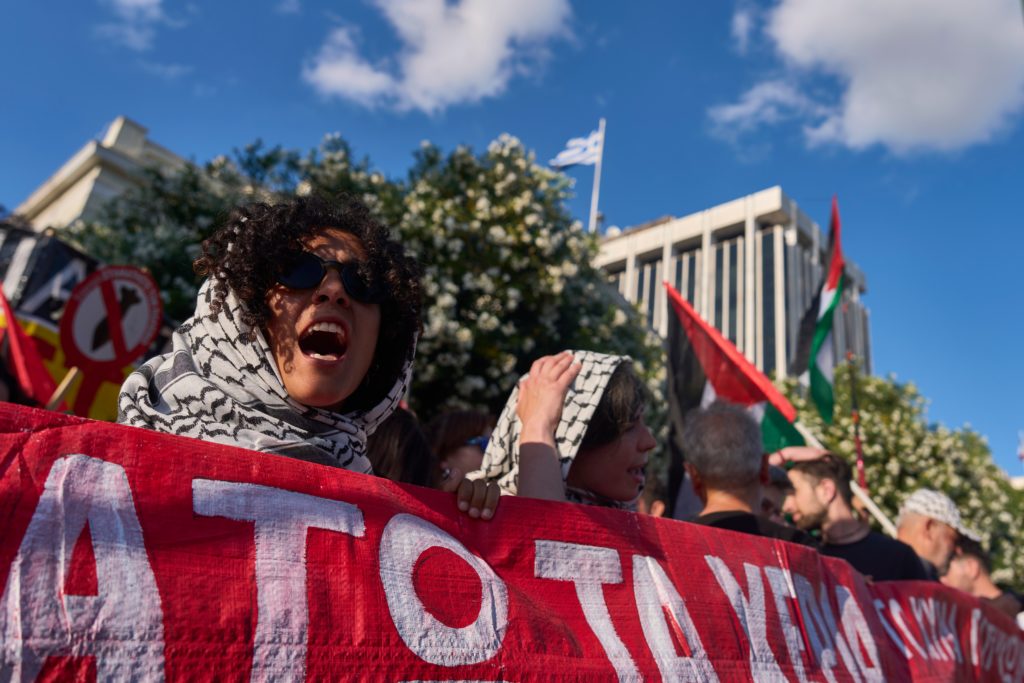
Israeli forces intercepted all remaining vessels in the Global Sumud Flotilla, with 428-430 activists detained and claims of rubber bullets fired and boat damage. Italy, Spain and Indonesia urged Israel to release the activists, while the U.S. Treasury sanctioned four European participants, adding a sanctions angle to the geopolitical dispute. The episode is likely to heighten regional tensions and scrutiny over Gaza aid access and Israel's blockade enforcement.
This is less an idiosyncratic headline than another data point in a slowly hardening geopolitical regime around maritime access, sanctions, and rules-of-engagement ambiguity. The first-order market effect is limited, but the second-order effect is a higher probability that shipping, aid logistics, and NGO-adjacent movements around the Eastern Med face more discretionary interdiction risk, which raises insurance premia and operational friction for any operator with regional exposure.
The more important signal is diplomatic spillover inside Europe: when multiple EU governments are publicly pushed to react, the issue can migrate from humanitarian rhetoric into sanctions symmetry and procurement scrutiny. That creates optionality for defense, surveillance, and maritime security vendors, while weighing on contractors or transport names with exposed Israel/Mediterranean revenue if consumer boycotts, protest activity, or permit delays intensify over the next 1-3 months.
The contrarian point is that the headline may be over-read as an immediate escalation catalyst. Because the flotilla’s economic significance is tiny, the real price impact comes only if this feeds into a broader policy cycle: EU parliamentary pressure, U.S. sanction expansion, or port/security disruptions. Absent that chain, the move is mostly reputational and the tradeable edge is in volatility around the next consular or legal update, not in a directional commodity or equity shock.
For portfolios, the cleanest expression is to own beneficiaries of persistent maritime insecurity rather than trying to fade the event itself. Any reversal would likely come if detainees are quickly transferred with consular access and the story de-escalates within 48-72 hours; if not, the risk is a longer tail of sanctions/legal filings and headline-driven volatility into quarter-end.
AI-powered research, real-time alerts, and portfolio analytics for institutional investors.
Request DemoOverall Sentiment
moderately negative
Sentiment Score
-0.45
