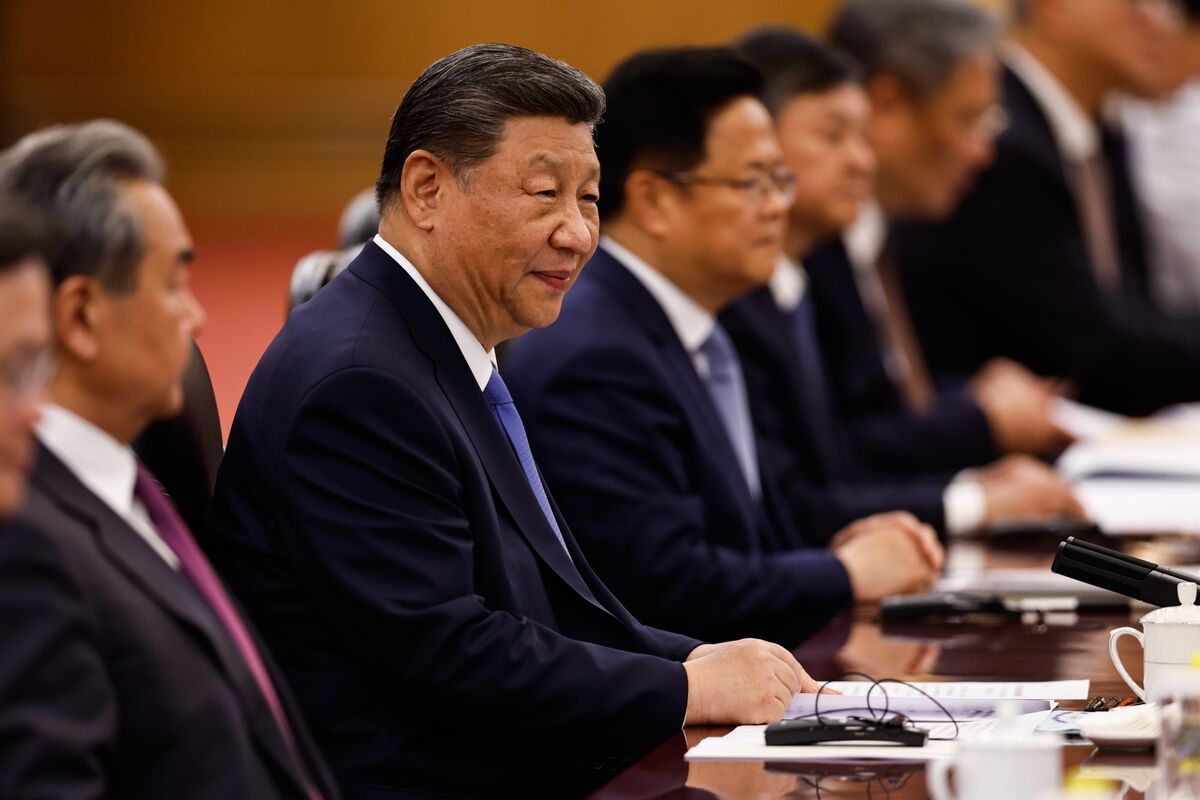
China is reportedly pushing the Trump administration to ease national-security restrictions on Chinese investments in the U.S., offering a significant investment package and reduced tariffs on imported Chinese components for U.S.-based factories in exchange. This proposal represents a strategic move by Beijing to reshape a decade of U.S. policy regarding Chinese capital and could significantly impact bilateral economic relations and investment flows.
China is reportedly making a significant strategic push to alter its economic relationship with the United States by proposing a deal that would trade a 'massive investment package' for the easing of national-security restrictions on Chinese deals. According to sources familiar with the private deliberations, negotiators for President Xi Jinping are also demanding lower tariffs on imported Chinese inputs for any factories subsequently built in the US. This dual-pronged demand aims to not only increase Chinese direct investment but also secure a cost advantage for its stateside operations. The proposal is substantial enough that it could 'upend a decade of policy' regarding the screening of foreign capital, signaling a potential pivot in US-China economic strategy. The uncertain tone of the report, however, underscores that this is a negotiation tactic, and the outcome is far from guaranteed, carrying significant implications for trade policy, regulation, and geopolitical stability.
AI-powered research, real-time alerts, and portfolio analytics for institutional investors.
Request DemoOverall Sentiment
mixed
Sentiment Score
0.10
