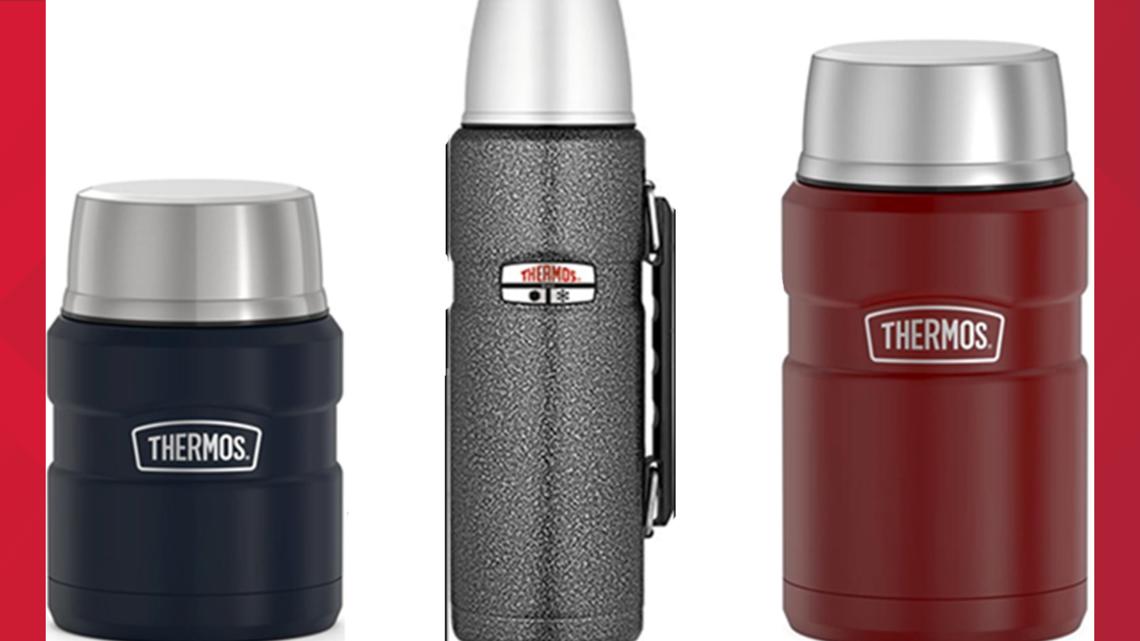
Thermos is recalling about 8.1 million food jars and beverage bottles after 27 injury reports, including three cases of permanent vision loss, because the stopper can eject forcefully when opened. The recall affects 5.8 million Stainless King jars and 2.3 million Sportsman bottles sold nationwide and online from roughly March 2008 to July 2024. Consumers are being offered either free replacement stoppers or replacement bottles depending on the model.
This is a brand-level trust event, but the initial market impact on TGT/WMT/AMZN should be muted because the recall is manufacturer-specific and the named retailers are mostly distribution channels, not design owners. The real second-order risk is reputational spillover: consumers tend to anchor recall headlines to the point of sale, so large omnichannel retailers can absorb a small hit to basket conversion in the affected home/lifestyle aisles even when their economic exposure is near zero. That effect is usually short-lived, but it matters if a retailer is already fighting softness in discretionary traffic. The larger implication is for private-label and third-party marketplace governance. Any retailer with broad home goods assortment and a low-friction return ecosystem can benefit from consumers substituting toward more trusted branded cookware or direct-to-retailer alternatives if they perceive marketplace-quality risk. Amazon is uniquely exposed to “marketplace adjacency” optics, but also best positioned to monetize the behavior shift because recall-driven search traffic often converts into replacement purchases within days to weeks. From a litigation/risk lens, the headline severity is driven by the vision-loss cases, which raises the probability of follow-on claims and a longer-tail settlement overhang for Thermos’s ownership chain and insurers. For the retailers, the key catalyst is not this recall itself but whether plaintiffs’ counsel tries to broaden discovery to sales oversight or warning practices; that risk is low-probability but can create intermittent headline pressure over the next few months. The contrarian view is that this is too small to matter fundamentally for large-cap retail, so any dip tied to the story should be treated as an opportunity unless broader consumer sentiment is deteriorating at the same time.
AI-powered research, real-time alerts, and portfolio analytics for institutional investors.
Overall Sentiment
strongly negative
Sentiment Score
-0.56
Ticker Sentiment
