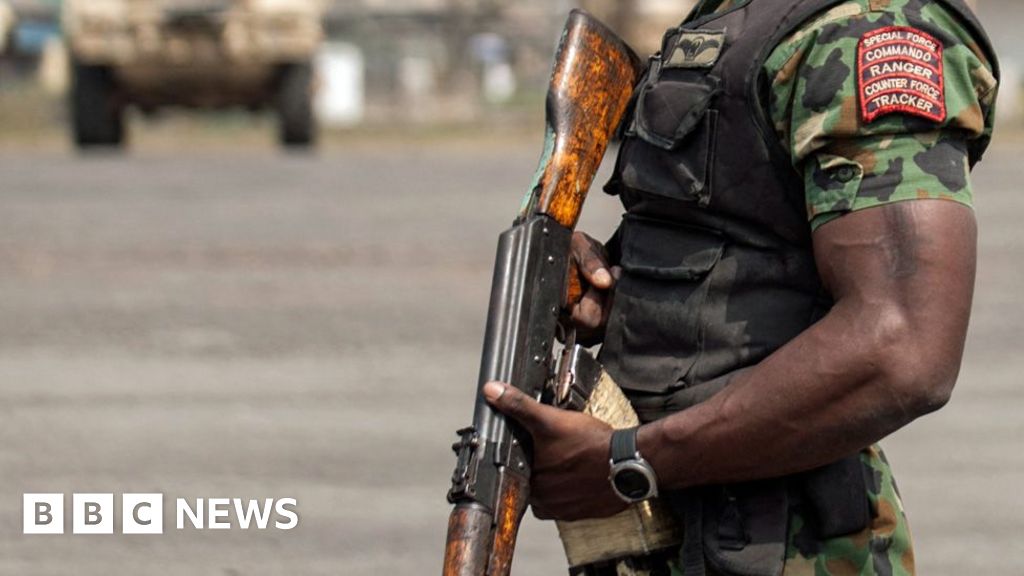
Armed attackers struck the neighbouring villages of Nuku and Woro in Kwara State, Nigeria, setting fire to homes and shops and killing between a lawmaker's minimum of 30 and a Red Cross report of up to 162, with many residents displaced and the traditional ruler unaccounted for. Nigeria's defence minister confirmed a small US team is in-country to provide intelligence and training — the first formal acknowledgement of American military presence after Washington ordered preparations in November — highlighting escalating security operations and a higher-risk operating environment that could depress investor sentiment and complicate activity across Nigeria's emerging-market exposures.
Market structure: Immediate winners are defense/security contractors, private security firms and global oil traders; direct losers are Nigerian sovereign bonds, Naira FX and domestic banks/consumer names as risk premia and insurance costs rise. Expect higher borrowing costs for Nigeria (spreads +100–300bps likely if attacks escalate) and a short-lived bid in Brent if supply fears appear (risk of +$0.5–$3/bbl for localized outages of 50–200kbd).
Risk assessment: Tail risks include a major attack on oil infrastructure (100–300kbd outage) or wider civil unrest prompting capital controls—each could push sovereign default probability materially higher (>200bps CDS widening) within 1–3 months. Time horizons: days—currency and equity knee-jerk selloff; weeks/months—sovereign spread widening and higher security spending; quarters—fiscal stress if oil receipts fall >10%.
Trade implications: Tactical plays should target FX and sovereign spreads, with hedges in EM beta and selective longs into defense/energy hedges. Use liquid proxies (NGE/EMB/EEM/Brent futures) rather than illiquid local names; option structures preferred for defined risk during high volatility windows (2–8 weeks).
Contrarian angles: The market may overprice permanence—continued US intelligence/support and stepped-up Nigerian ops historically re-stabilize flows within 3–9 months (see 2015–16 Nigeria episodes). If Nigeria 5y CDS reverses >100bps tighter or Brent falls back within 7–14 days, consider cutting hedges and redeploying into cheap domestic consumer names with >70% local revenue.
AI-powered research, real-time alerts, and portfolio analytics for institutional investors.
Request DemoOverall Sentiment
moderately negative
Sentiment Score
-0.50
