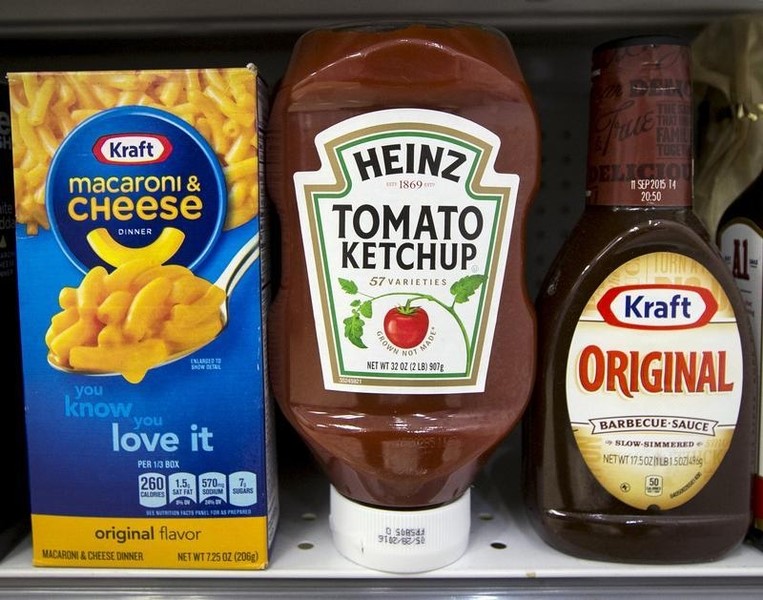
Kraft Heinz and Unilever held discussions about merging Unilever’s food business with Kraft Heinz’s condiments division, but talks concluded before Kraft Heinz halted a planned break-up in February. Unilever declined to comment and Kraft Heinz did not respond to requests for comment; no transaction has been announced. With talks ended and no live deal, immediate market impact is limited, though a revived combination would be sector-moving for packaged foods.
Large-scale consolidation in global consumer foods tends to deliver most value through procurement and SKU rationalization, not top-line growth. A 1–3% reduction in COGS on a $10–20bn combined food revenue base translates to $100–600m of incremental EBIT — enough to move a single-stock thesis by 20–40% if the market credits it within 12–24 months. However, realized synergies are commonly cut by 15–25% once divestiture demands and execution frictions are priced in; regulatory timelines typically add 9–18 months and can force carve-outs that leave scale benefits asymmetric across categories. Second-order winners include large ingredient suppliers and co-packers who land consolidated volume flows, but only if they can absorb demand concentration without re-pricing; smaller co-packers and regional private-label makers are the most exposed to volume loss over the first 6–12 months of integration. Retailers can extract temporary promotional tailwinds as manufacturers rationalize SKUs, which in practice often leads to a 2–6% shift toward private label in affected categories during shelf resets. Management signals (board willingness to restructure, activist presence, capital allocation conservatism) matter more than headline deal chatter — governance intent shortens uncertainty periods and magnifies rerating speed. Antitrust is the dominant tail risk and is non-linear: below certain market-share thresholds remedies are simple, above them courts or regulators demand structural divestitures that destroy the very synergies investors buy. For traders, the most cost-effective exposures are optionality plays that capture binary upside while capping downside during the 9–18 month window; simple long equity before a clear governance catalyst risks a 20–30% haircut if integration or regulatory backlash emerges. Finally, the surge in AI-driven deal screening and PR amplification (digital ad spend, compute demand) makes select tech infrastructure and ad-monetization platforms indirect beneficiaries over a 6–12 month horizon.
AI-powered research, real-time alerts, and portfolio analytics for institutional investors.
Overall Sentiment
neutral
Sentiment Score
0.00
Ticker Sentiment
