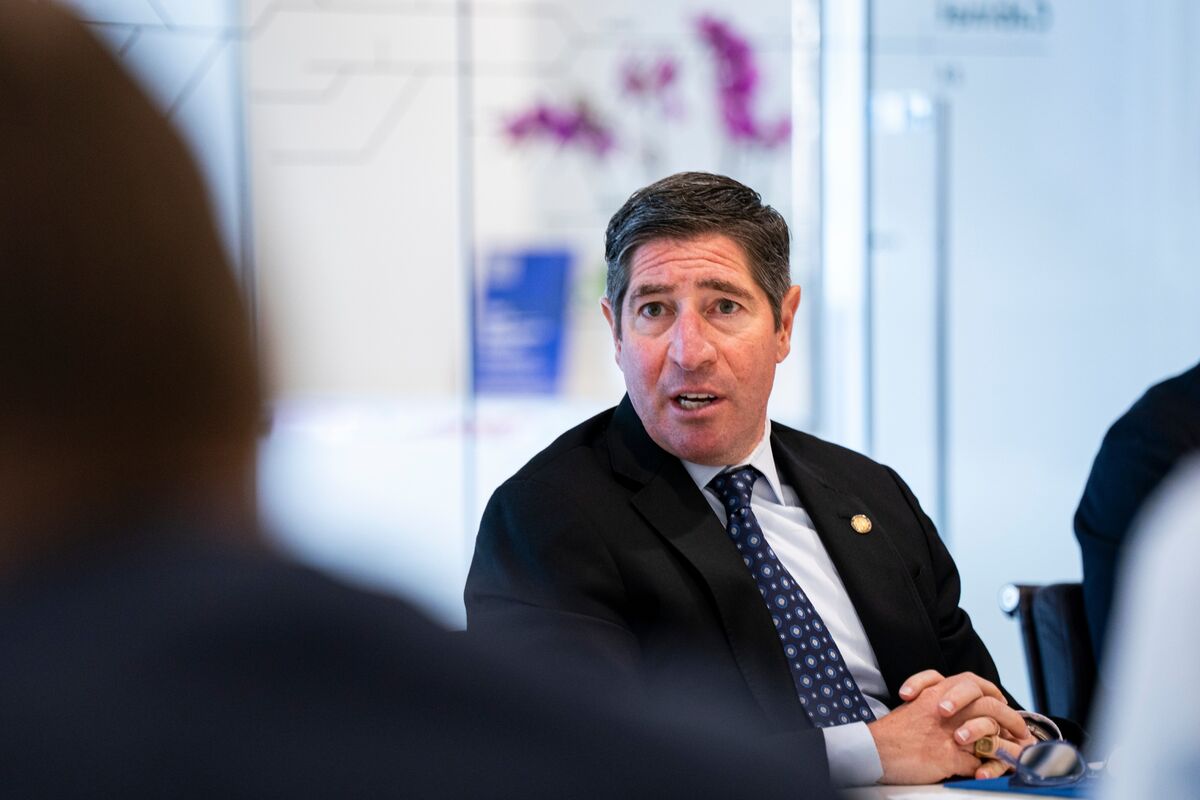
The new director of the US government’s human resources agency, a former a16z executive, is proposing significant reforms to the federal civil service. Key initiatives include making it easier to terminate federal workers, dropping college degree requirements for certain jobs, and notably, exploring the potential redirection of federal pension funds into a sovereign wealth fund. This latter proposal could have substantial implications for public sector capital allocation and investment strategies.
A new director with a background as an a16z executive is spearheading significant reform proposals for the US federal civil service, signaling a potential shift toward private-sector management principles. The key proposals include streamlining the termination process for federal employees and removing college degree requirements for some positions, which could alter labor dynamics within the public sector. Most consequentially for financial markets, the director is exploring the creation of a sovereign wealth fund (SWF) by redirecting federal pension money. This represents a monumental potential shift in capital allocation, moving substantial assets from traditionally conservative investments, like government bonds, into a vehicle that would likely pursue higher-risk, higher-return strategies in asset classes such as private equity and venture capital. While these are currently proposals and face significant legislative hurdles, the director's tech and venture capital background suggests a strong preference for such a strategic pivot, which could introduce a new, multi-billion dollar player into global capital markets over the long term.
AI-powered research, real-time alerts, and portfolio analytics for institutional investors.
Overall Sentiment
mildly positive
Sentiment Score
0.20
