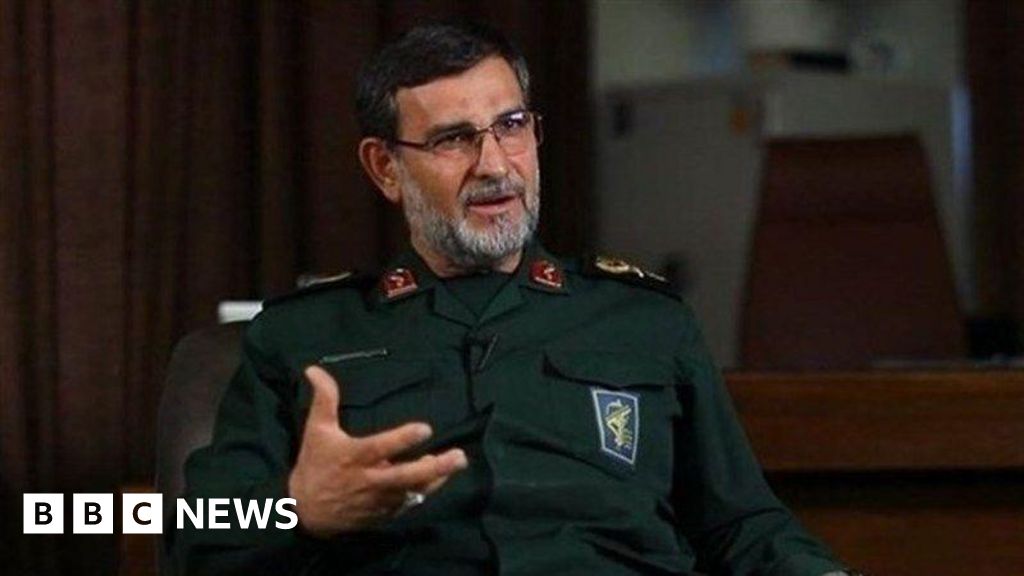
Israel says it has killed IRGC Navy chief Alireza Tangsiri and other senior naval officials, an action that risks further escalation. The Strait of Hormuz — carrying roughly 20% of global oil and LNG flows — has seen daily traffic down about 95%, triggering a sharp rise in oil prices and imposing direct costs on consumers worldwide. The development represents a material supply/shipping shock with significant market-wide implications for energy markets and global trade routes.
This event materially raises near-term volatility around the Strait of Hormuz and increases the probability of a multi-week disruption to crude and LNG flows, but does not deterministically lock in a permanent choke. Command decapitation creates a 2–6 week window of degraded operational coordination for complex, centralized blockades — enough time for market-driven price spikes and for opportunistic asymmetric attacks by proxies to redistribute risk across routes and insurers.
Second-order winners include short-duration owners of VLCCs/Suezmax capacity (floating storage and freight rates rise) and re/insurers who can reprice war-risk premiums quickly; losers are commercial shippers with fixed-rate charters, refiners dependent on prompt Middle East crude grades, and commodity funds with leveraged long exposure to prompt oil (roll costs increase). Rerouting via the Cape adds ~7–14 days per voyage, raising bunker and working-capital costs and creating product-arbitrage dislocations between Atlantic and Asia markets over 2–12 weeks.
Tail risk is escalation into direct strikes on export infrastructure or retaliatory attacks on allied assets, a scenario that could push Brent into a $120–$150 handle over months; the immediate reversal catalysts are visible and fast — coordinated diplomacy, targeted de-escalation by external guarantors, or an operational recapture of control that restores >50% of lost throughput within 2–4 weeks. The consensus that today’s price move implies a long-lived, static supply shock is debatable — the market often overprices permanence in the first 2–4 weeks after a leadership strike, creating tactical fade opportunities if diplomatic channels show signs of working.
AI-powered research, real-time alerts, and portfolio analytics for institutional investors.
Overall Sentiment
strongly negative
Sentiment Score
-0.80
