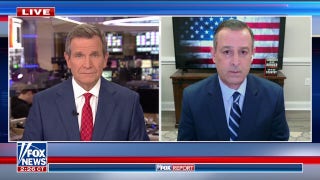
Senior U.S., Ukrainian and European officials, including U.S. special envoy Steve Witkoff, Jared Kushner and Ukrainian security chiefs, held Florida talks that produced 'concrete progress' toward a structured peace framework focused on a 20‑point plan, multilateral and U.S. security guarantee frameworks, and an economic/prosperity plan. Finland’s president said negotiators are closer than ever to a deal, while participants flagged that sanctions on Russian oil majors Lukoil and Rosneft are biting and could be escalated if Moscow rejects a U.S.–Ukraine–Europe framework. The developments, if sustained, could lower Russia-related tail risk and ease energy risk premia, but outcomes remain uncertain and hinge on Moscow’s response and sequencing of guarantees.
Market structure: A credible near-term Ukraine peace framework would be a negative shock to energy risk premia and safe-haven assets and a positive shock to cyclical, commodity-processing businesses. If even 0.5–1.5 mbpd of sanctioned Russian crude re-enters markets over 3–9 months, expect 5–15% downward pressure on Brent and 3–10% on WTI, benefiting refiners (better crack spreads) and hurting high‑cost US producers. Defense primes and sovereign‑risk premia would lose pricing power; sovereign bond spreads for core Europe should tighten modestly while gold and USD risk premium compresses.
Risk assessment: Tail risks remain asymmetric — a breakdown or Kremlin escalation could re-tighten oil supply and send Brent +20–40% in weeks; assign ~25–35% probability to failed talks or tactical Russian escalation in next 3 months. Hidden dependencies include insurance/GLWG for shipping, banking/payment technicalities, and EU unanimity on sanctions relief; these could delay any supply relief by 1–6+ months. Catalysts: formal EU/US declarations, concrete sequencing on security guarantees, or US executive action within 30–90 days.
Trade implications: Favor short-duration, event‑linked positions that monetize a drop in risk premia: tactical long refiners (VLO, PSX) and integrated internationals (BP, SHEL) vs trimmed longs in defense (RTX, LMT). Use options to cap downside — e.g., buy 3–6 month put spreads on GLD and buy vertical put spreads on USO/BNO to express downside in oil if peace accelerates. Size positions 1–3% each with stop-losses and explicit Brent/announcement triggers.
Contrarian angles: Consensus underestimates the enforcement frictions — sanctions unfreezing may be partial for 6–12 months, so oil price move could be smaller than priced; defense spending may remain sticky if Western budgets lock in replenishment orders. Historical parallels (Minsk/ceasefire stalls) suggest markets should not fully derisk until written, verifiable sequencing is announced; therefore prefer staged scaling of positions tied to EU/US policy milestones over binary “peace” bets.
AI-powered research, real-time alerts, and portfolio analytics for institutional investors.
Request DemoOverall Sentiment
mildly positive
Sentiment Score
0.28
