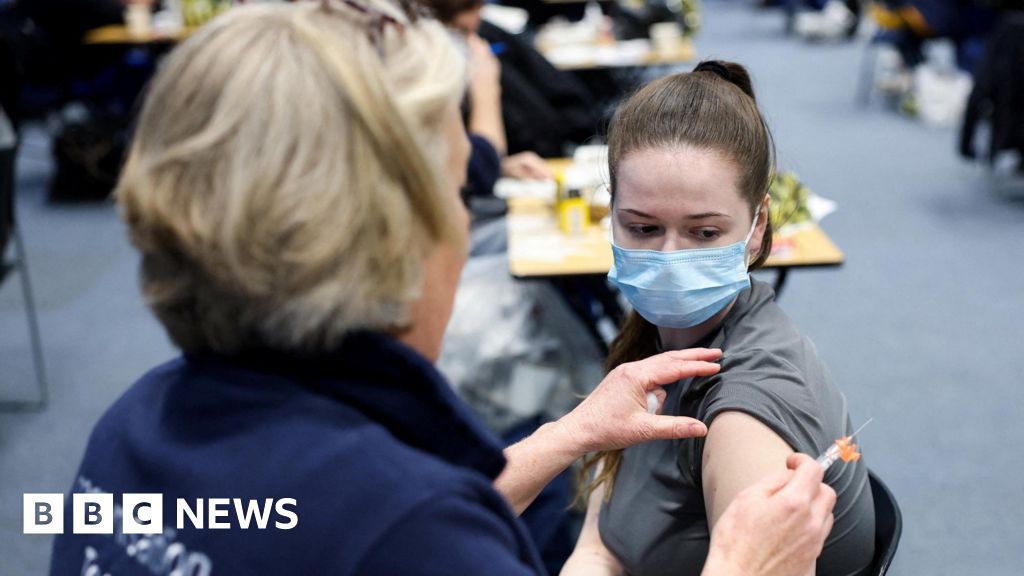
29 confirmed or suspected meningitis cases linked to a Kent outbreak (2 deaths); UKHSA says the peak has passed but cases may still arise. More than 10,000 people have received vaccines and ~13,000 received preventative antibiotics; four clinics reopened. The outbreak is linked to Meningitis B and affects cohorts not routinely vaccinated before 2015, so authorities are keeping vaccination centers under daily review.
Near-term winners are suppliers of vaccines, injection consumables and PCR/reagent flows rather than headline pharmaceutical margins: a mid-five‑figure surge in adult/teen catch‑up doses can strain production runs and push incremental revenue toward suppliers with available fill/finish and syringe capacity. That creates a 1–3 month bump in consumables and lab reagents, and a 3–12 month cadence for finished‑dose deliveries if public health programs formalize catch‑up campaigns.
Campus health systems and municipal primary care will be second‑order beneficiaries and stress points — expect reallocation of nurse/clinic hours away from elective care and routine screening toward urgent vaccination and prophylaxis, compressing local outpatient capacity and bumping short‑term revenue for urgent‑care contract providers. Event/venue underwriters face concentration risk: a liability repricing for high‑density nightlife events is plausible, pushing insurance premium rates higher for that segment over the next 6–18 months.
Key risks and catalysts are binary and calendarized: immediate reversal can occur if a safety signal or supply disruption emerges (days–weeks), while policy responses (a funded catch‑up program or expanded adolescent immunization) would be a multi‑quarter to multi‑year revenue driver for vaccine makers and diagnostics firms. A less obvious tail risk is increased empirical antibiotic use accelerating local resistance patterns, which would shift demand toward higher‑margin broad‑spectrum agents and stewardship testing over 12–36 months.
The market likely underprices the probability of a targeted public health program for missed birth cohorts because that step converts a one‑off surge into an ongoing adolescent booster stream. Conversely, sentiment may be too sanguine about containment; undetected carriage and social network clustering could extend demand and keep diagnostic volumes elevated beyond the current window.
AI-powered research, real-time alerts, and portfolio analytics for institutional investors.
Request DemoOverall Sentiment
mildly positive
Sentiment Score
0.15
