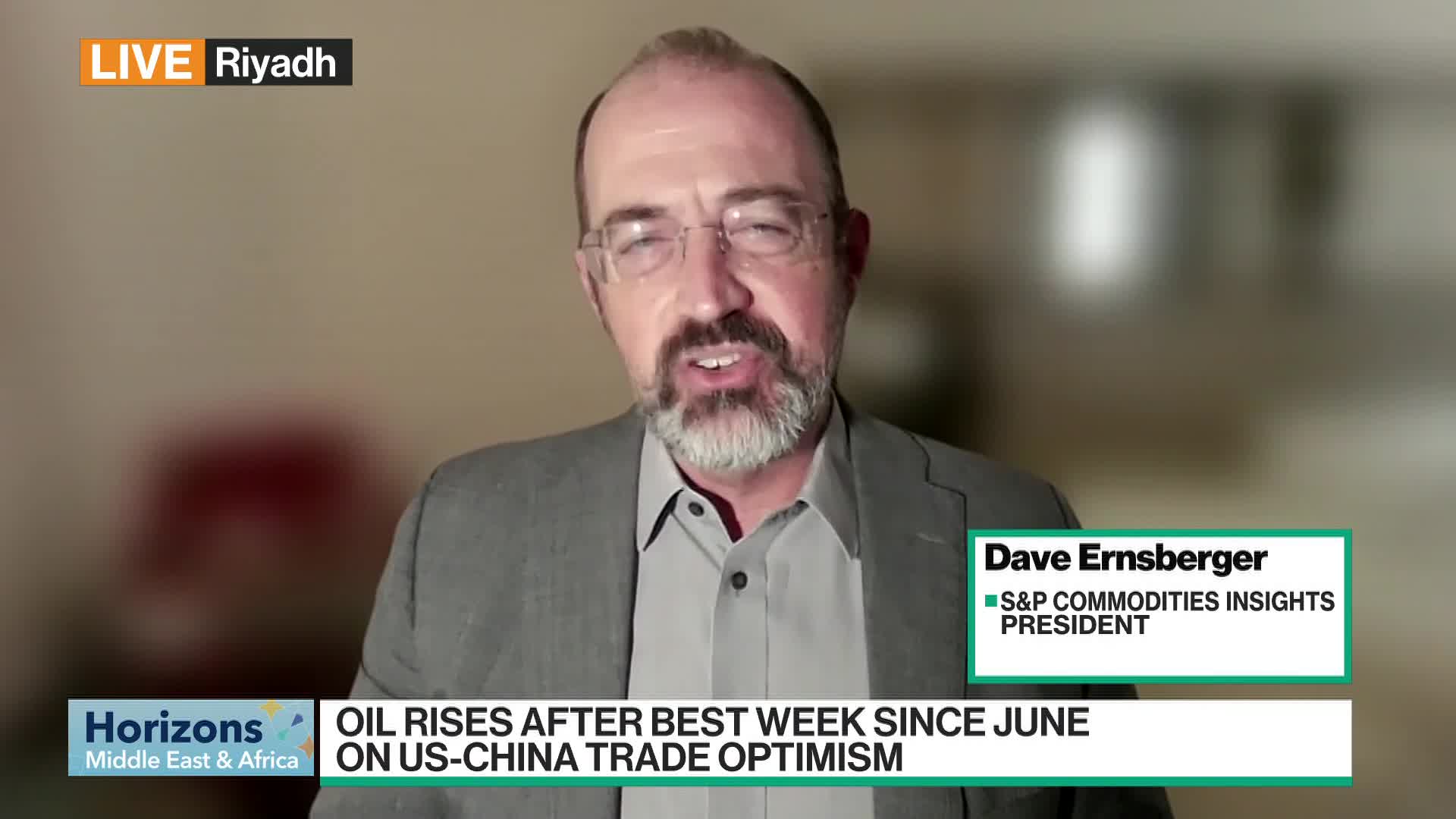
S&P Global Commodities Insight President Dave Ernsberger forecasts oil prices will decline before the end of 2025, citing concerns over a market glut and continued output increases from OPEC+ despite warnings. This outlook comes as oil prices currently steady, balancing positive US-China trade developments against the persistent oversupply risk.
S&P Global Commodities Insight President Dave Ernsberger forecasts oil prices will decline before the end of 2025, driven by concerns over a market glut and continued OPEC+ output increases despite warnings. This outlook emerges despite current oil price steadiness, which balances positive US-China trade progress against persistent oversupply risks.
The market exhibits a moderately negative sentiment with a bearish tone, specifically impacting oil-related instruments like DBO and USO, which show a -0.6 sentiment score. This reflects the prevailing concern that OPEC+'s decision to push ahead with output increases, despite warnings, will exacerbate the supply overhang.
While US-China trade developments offer a counterbalancing positive, the dominant narrative remains the potential for an oil glut, reinforcing the bearish forecast. The continued output strategy by OPEC+ suggests a prioritization of market share or a miscalculation of future demand, posing downside risk to prices.
AI-powered research, real-time alerts, and portfolio analytics for institutional investors.
Request DemoOverall Sentiment
moderately negative
Sentiment Score
-0.50
Ticker Sentiment
