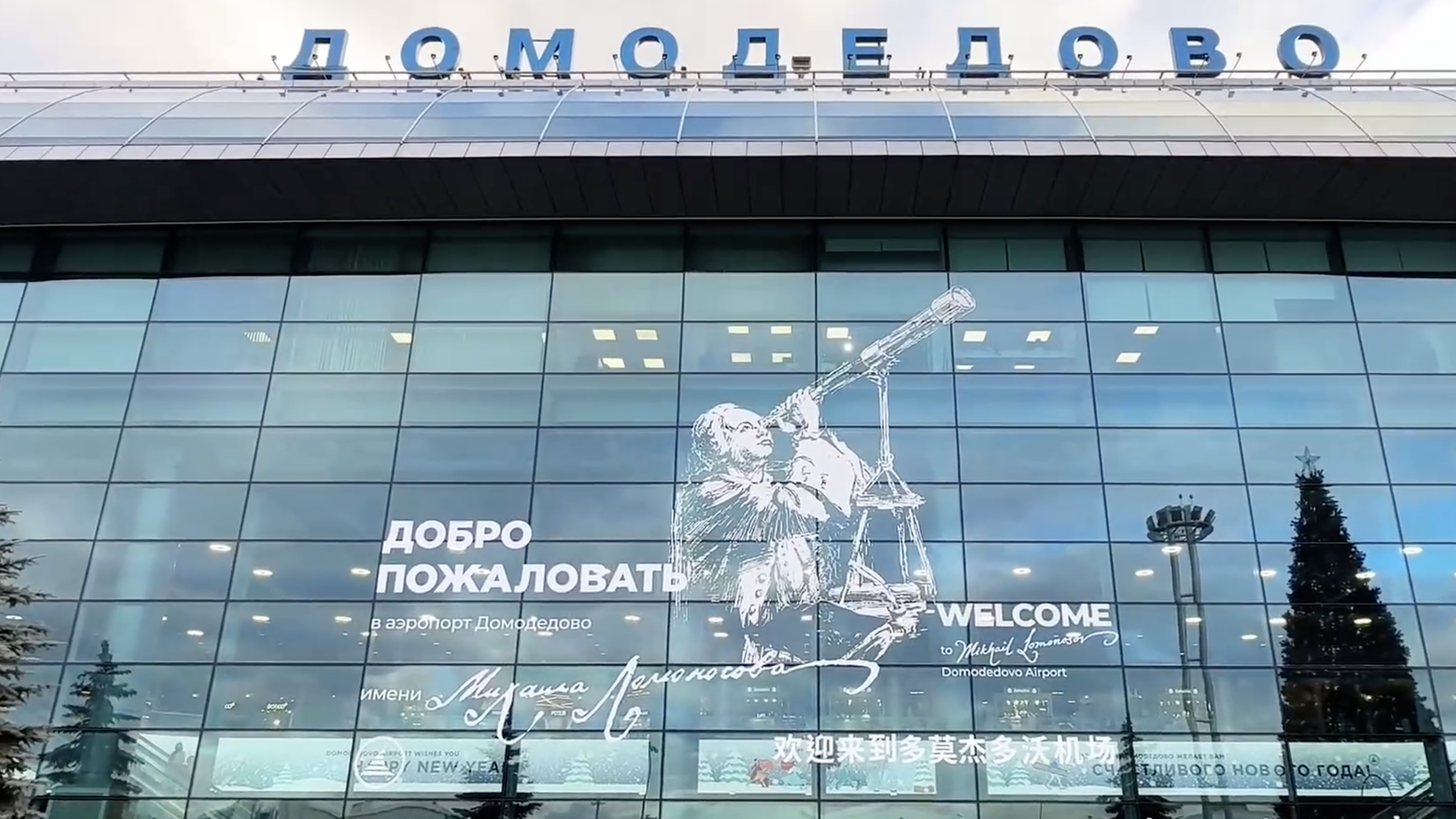
Russian authorities have scheduled an RTS-tender Dutch auction on January 29 to sell 100% of Domodedovo Airport's authorized capital after a June 17, 2025 Arbitration Court ruling recovered the shares as state revenue; the Avito listing posted by PJSC PSB Bank was removed and bidding will proceed only via the state platform. The lot opens at 132.3 billion rubles with 13.2 billion ruble step-downs to a floor of 66.1 billion rubles; applications close 17:00 Moscow time on January 28 and the bid deposit is 26.5 billion rubles. A prior January 20 auction failed after the sole bidder, Evgeny Bogaty, did not submit full admission documents, underscoring legal and procedural uncertainty around the disposal of a major infrastructure asset.
Market structure: The Dutch-auction path (initial 132.3bn RUB, step -13.2bn, floor 66.1bn; deposit 26.5bn, auction 29 Jan, apps due 28 Jan) effectively creates a forced-discount sale elective for well-capitalized domestic buyers and state entities. Winners are cash-rich Russian strategic buyers and funds able to deploy ≥66–132bn RUB; losers include DME Holding creditors and minority infrastructure investors who face ~50% haircut risk if price heads to the floor. This repricing will compress valuations across Russian airport/infrastructure peers by an analogous multiple until a clearing price is set.
Risk assessment: Immediate tail risks (days–weeks) include buyer disqualification, court appeals or sanctions-triggered bidder restrictions that could void the sale and spike legal risk premia; medium-term (3–12 months) risks are large capex and traffic recovery uncertainty—airports typically need 50–200bn RUB capex over 3–5 years to modernize. Hidden dependencies: contingent environmental, labor, concession and debt claims attached to DME Holding that can materially reduce asset value; catalysts to watch are identity of winning bidder, state budget signals and any court remands.
Trade implications: Tactical trades should be short-duration and event-driven. Favor hedged exposure to airline demand (e.g., 1–3% long AFLT.ME with a tight 12% stop, take-profit +20% on confirming operational access), a small short on seller bank PSBR.ME (1% NAV, target -25% if asset-sale proceeds don’t cover claims), and FX volatility plays (buy 3-month USD/RUB call spread sized 1–2% NAV to protect vs ruble downside). Defer larger private/infrastructure allocations until post-auction transparency (30–90 days).
Contrarian angles: The market may underprice the strategic value—if a state-friendly buyer wins at >90bn RUB, airport cash flows (passenger fees + retail) could restore NAV within 3–5 years and create a ~30–50% IRR for patient buyers; conversely, if buyers are blocked, privatization pipeline risk increases for all Russian assets. Historical parallels: forced state recoveries (2010s) initially depressed multiples but recovered over 24–36 months when management/stability returned—tradeable window is therefore 1–3 months for event resolution and 12–36 months for value realization.
AI-powered research, real-time alerts, and portfolio analytics for institutional investors.
Request DemoOverall Sentiment
mildly negative
Sentiment Score
-0.10
