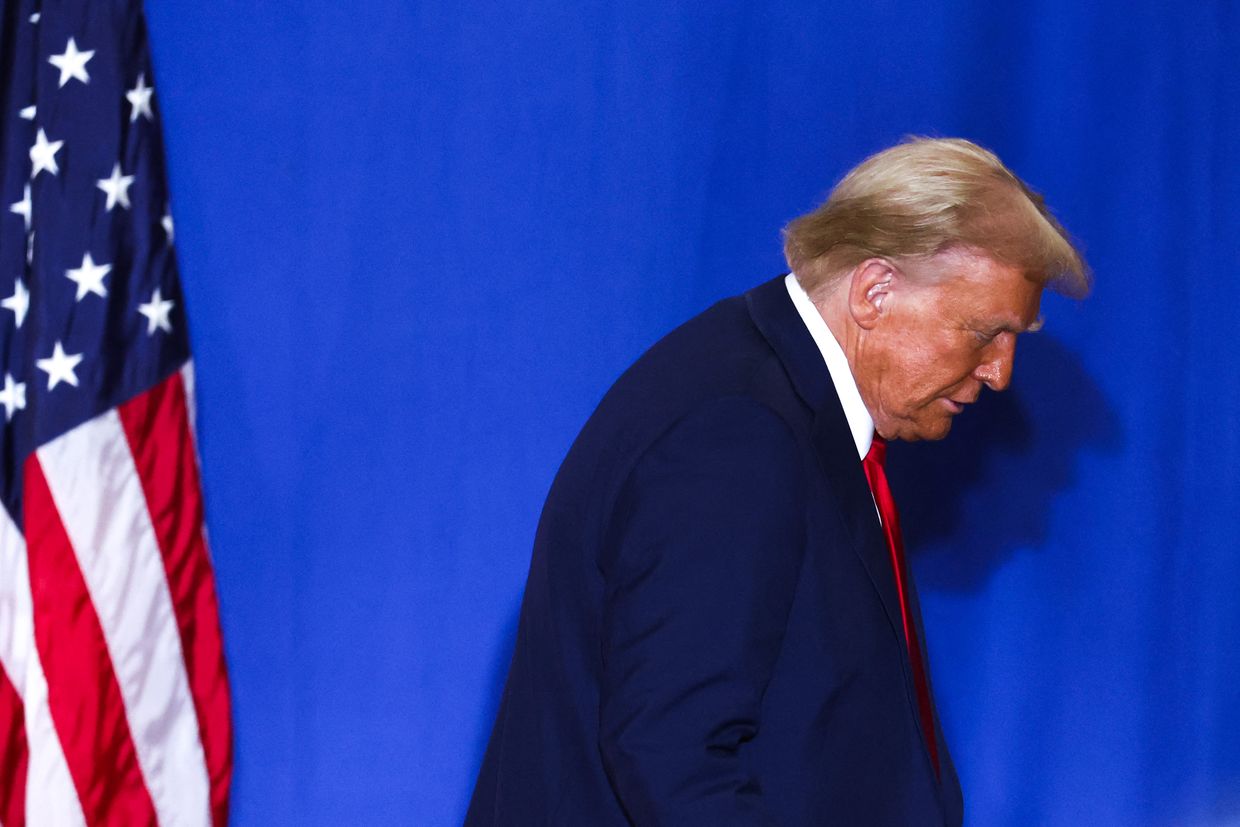
The U.S. has imposed sanctions on Russia's two largest oil companies, Rosneft and Lukoil, and their subsidiaries, with Treasury Secretary Scott Bessent stating the measures aim to pressure Moscow into an immediate ceasefire in Ukraine. Concurrently, President Donald Trump affirmed he would not meet with Russian President Vladimir Putin without a clear path to a peace agreement, citing disappointment over the lack of progress in resolving the conflict.
The U.S. has imposed significant sanctions on Russia's two largest oil companies, Rosneft and Lukoil, and their subsidiaries, marking the first such measures under the current administration. Treasury Secretary Scott Bessent explicitly stated these sanctions, enacted on October 22, aim to pressure the Kremlin towards an immediate ceasefire in Ukraine. This move signals a hardening stance, directly targeting Russia's critical energy sector.
President Trump, on October 25, declared he would not meet with Russian President Vladimir Putin without a clear path to a peace agreement, citing disappointment over the lack of progress. This position, reinforced by Press Secretary Karoline Leavitt's earlier comments on October 23, underscores a requirement for tangible outcomes and Russian interest in peace before high-level diplomatic engagement. The President's perception of "tremendous hatred" between Zelensky and Putin further complicates prospects for swift resolution.
The confluence of new sanctions on major oil producers and a stalled diplomatic path suggests prolonged geopolitical tension. These sanctions could introduce volatility into global energy markets, potentially impacting oil prices and supply chains. The pessimistic sentiment and high market impact score reflect investor concerns regarding escalating conflict and its economic repercussions.
AI-powered research, real-time alerts, and portfolio analytics for institutional investors.
Overall Sentiment
strongly negative
Sentiment Score
-0.70
