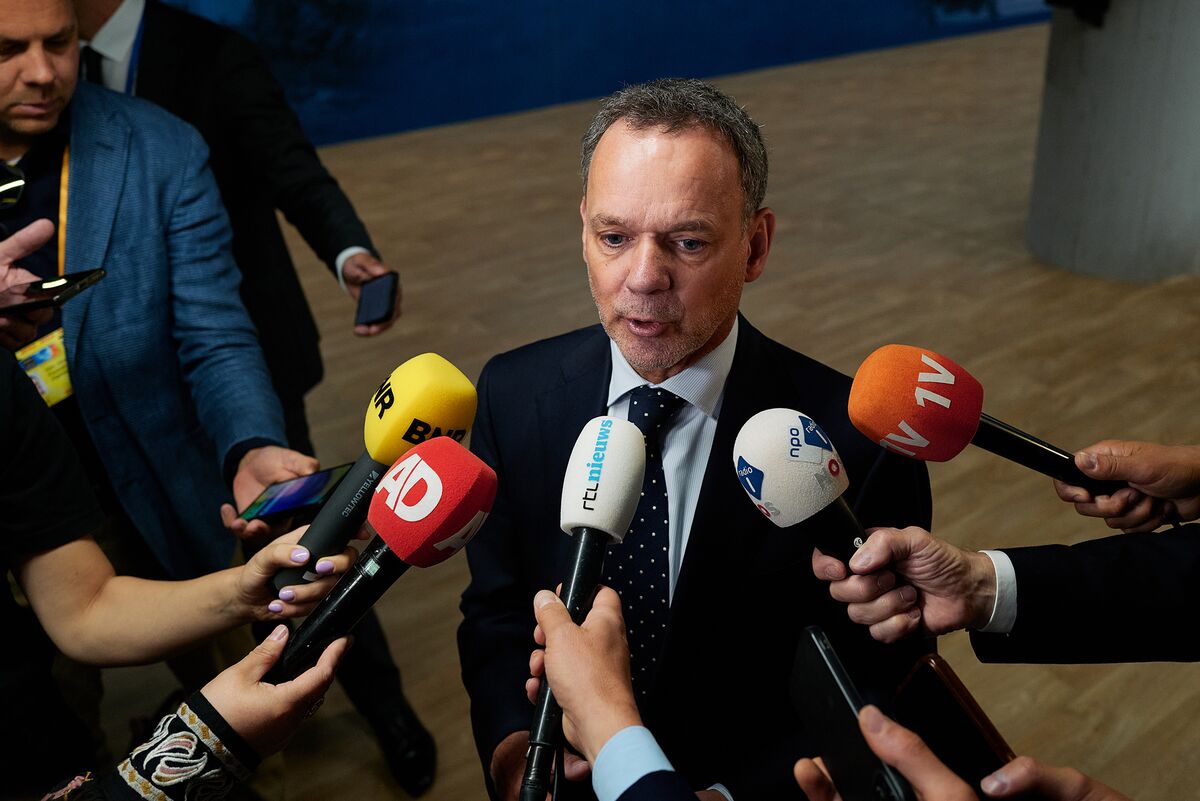
Dutch Foreign Minister Caspar Veldkamp resigned after the caretaker cabinet declined to support his initiative for further sanctions against Israel. This departure underscores a significant policy division within the Dutch government, indicating potential shifts in its foreign policy stance and highlighting ongoing political instability.
The resignation of Dutch Foreign Minister Caspar Veldkamp reveals a significant policy fracture within the Netherlands' caretaker coalition government. The departure was triggered by the cabinet's refusal to support further sanctions against Israel, a stance championed by Veldkamp's New Social Contract party. This event underscores the political instability and policy paralysis that has characterized the Dutch government since its collapse in June. While the immediate market impact is assessed as very low, with no specific corporate entities directly implicated, the development highlights a growing divergence on foreign policy that could influence the Netherlands' role within the European Union. The split on sanctions policy is a key indicator of the challenges the caretaker government faces in presenting a unified front on international issues, potentially signaling future volatility in Dutch diplomatic and trade relations.
AI-powered research, real-time alerts, and portfolio analytics for institutional investors.
Request DemoOverall Sentiment
neutral
Sentiment Score
0.00
