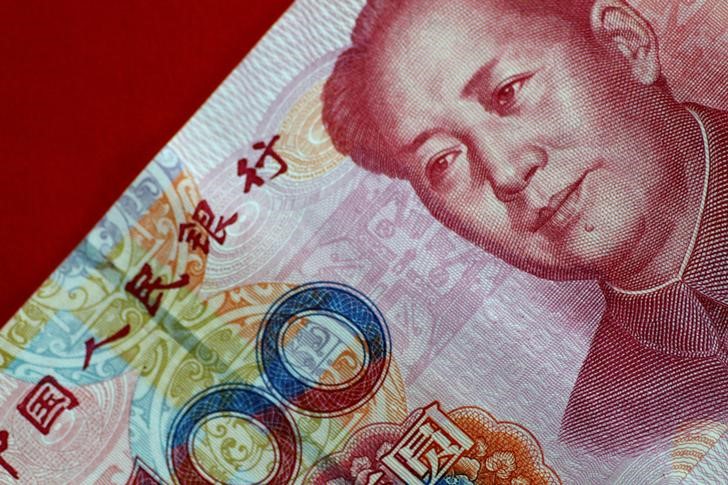
Asian FX was broadly subdued as markets focused on Trump-Xi trade talks and Iran-related geopolitical risk, while the U.S. dollar stayed firm after hotter-than-expected inflation data. The Indian rupee hit a record low of 95.853 per dollar, pressured by crude above $100 a barrel, foreign outflows, and imported inflation concerns. The Chinese yuan strengthened to its lowest USD/CNY level since Feb. 2023, while USD/JPY, USD/SGD, and AUD/USD were little changed.
The market is treating this as a pure FX macro event, but the bigger second-order effect is regime persistence: higher-for-longer U.S. rates plus energy-led inflation typically outperforms cyclical optimism from trade headlines over a multi-week horizon. That combination keeps real-rate differentials wide, which is structurally supportive of the dollar even if headline diplomacy briefly weakens it. In other words, any relief in Asia FX from de-escalation is likely to be tactical unless oil backs off materially and U.S. inflation prints soften again. The more actionable cross-asset signal is India. A sustained oil shock is a direct terms-of-trade hit, but the larger issue is that the rupee’s weakness can feed into imported inflation, forcing the RBI to choose between defending growth and defending FX. That tends to compress local equity multiples and hurt domestic duration-sensitive sectors first, while exporters with USD revenue can lag less than the market expects because stronger dollar funding conditions offset some translation benefit. For China, a stronger yuan on summit optimism is not necessarily a broad risk-on signal; it may actually reflect expectations of policy-managed stability rather than capital inflow conviction. If talks produce only a symbolic truce, the currency move can fade quickly, especially if supply-chain restrictions around semis/AI remain untouched. The real watch item is whether Beijing uses FX strength to absorb tariff pressure or to signal willingness to tighten domestic liquidity, which would matter more for China-sensitive growth assets than the summit rhetoric itself. The tickers matter mainly through narrative spillover: AI infrastructure names can benefit if trade negotiations reduce export-control escalation risk, but that upside is constrained unless the tariff/semicap regime meaningfully improves. Absent that, any rally in high-beta growth from diplomacy is likely to be sold into if Treasury yields stay elevated. The setup is therefore more favorable for relative-value positioning than outright beta chasing.
AI-powered research, real-time alerts, and portfolio analytics for institutional investors.
Overall Sentiment
mildly negative
Sentiment Score
-0.15
Ticker Sentiment
