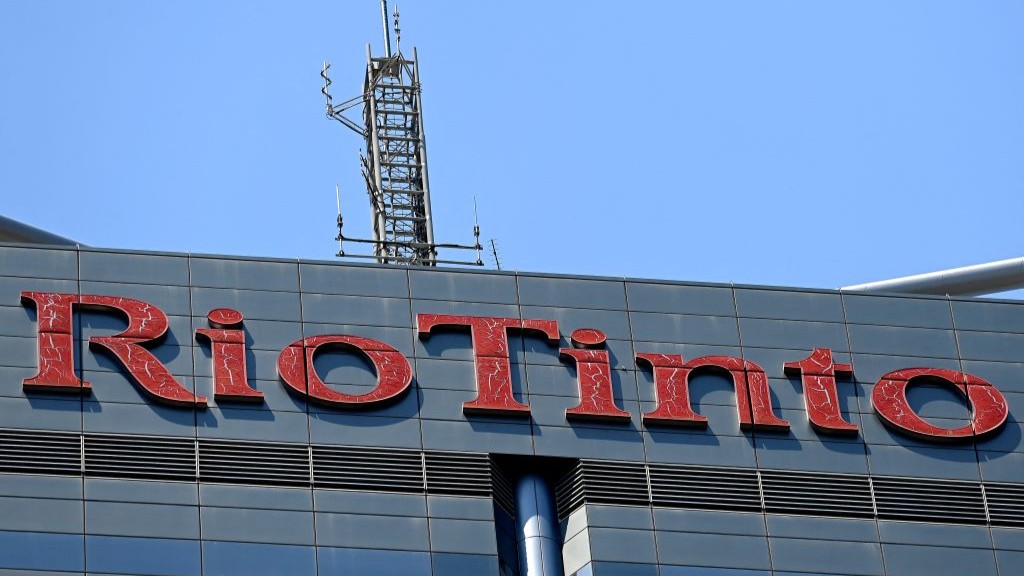
Rio Tinto unveiled a strategy overhaul focused on cost cuts and asset optimisation, targeting the release of roughly $5–$10 billion from its existing asset base. Management is guiding to around $650 million of annualised productivity gains in the near term and a 4% reduction in unit costs by 2030, while signalling no immediate large-scale headcount cuts. The moves follow CEO Simon Trott’s recent streamlining of the business and are presented as measured, incremental value extraction rather than an aggressive one-off restructuring.
Market structure: Rio Tinto (RIO)’s plan to free $5–10bn and deliver ~A$650m annualized productivity by end of next quarter (and a 4% unit-cost reduction by 2030) primarily benefits RIO equity holders, cash buyers of divested assets, and service contractors executing the productivity program; high-cost mid‑tier iron‑ore producers (e.g., FMG) face relative margin pressure. Pricing power likely shifts modestly to low‑cost incumbents — iron‑ore supply won’t materially change immediately but capital recycling reduces future capex and could tighten seaborne supply over 12–24 months, supporting iron‑ore futures. Cross‑asset: equities and RIO credit should tighten on credible buybacks/divestments, AUD may strengthen on Australian miner flows, options vol on RIO should compress if management delivers clear deployment of proceeds.
Risk assessment: Tail risks include failed disposals, regulatory blocks in strategic jurisdictions, or execution slippage on the A$650m run‑rate (low probability but high impact); if proceeds are not returned to shareholders, equity rerating is at risk. Time horizons: expect intraday/weekly volatility on initial details, 3–6 months while buyers are found, and 1–3 years for unit‑cost improvements to materialize; hidden dependencies are iron‑ore price trajectory and Chinese demand recovery. Key catalysts: formal asset sale announcements, FY results, and chair/CEO commentary at next AGM — any missed milestones within 90 days would be negative.
Trade implications: Direct: establish a 2–3% long RIO position on a pullback >5% intraday or after confirmation of ≥$3bn asset sale commitments (target horizon 6–12 months, close at +20% or on missed buyback). Pair: long RIO / short FMG (or BHP if you prefer broader exposure) to capture relative margin expansion; size 1–2% net exposure. Options: sell RIO 6–8% OTM 1–3 month puts for premium if willing to own at ~5% discount, or buy a 3‑6 month call spread (e.g., 0–20% upside) to limit capital. Credit: buy RIO senior bonds if spreads widen >50bp versus sovereigns, expecting buybacks/asset sales to improve credit metrics.
Contrarian angles: Consensus underestimates the potential for disciplined asset recycling to fund buybacks — a realized $5–10bn returned could justify a 15–25% re‑rating vs peers; conversely, overreliance on footnoted savings risks disappointment. Historical parallels: BHP/Anglo restructurings show initial modest operational gains but sustained shareholder returns require visible capital deployment; unintended consequence is higher single‑commodity exposure post‑sales, so stress test positions if iron‑ore falls >20% over 6 months.
AI-powered research, real-time alerts, and portfolio analytics for institutional investors.
Request DemoOverall Sentiment
neutral
Sentiment Score
0.12
Ticker Sentiment
