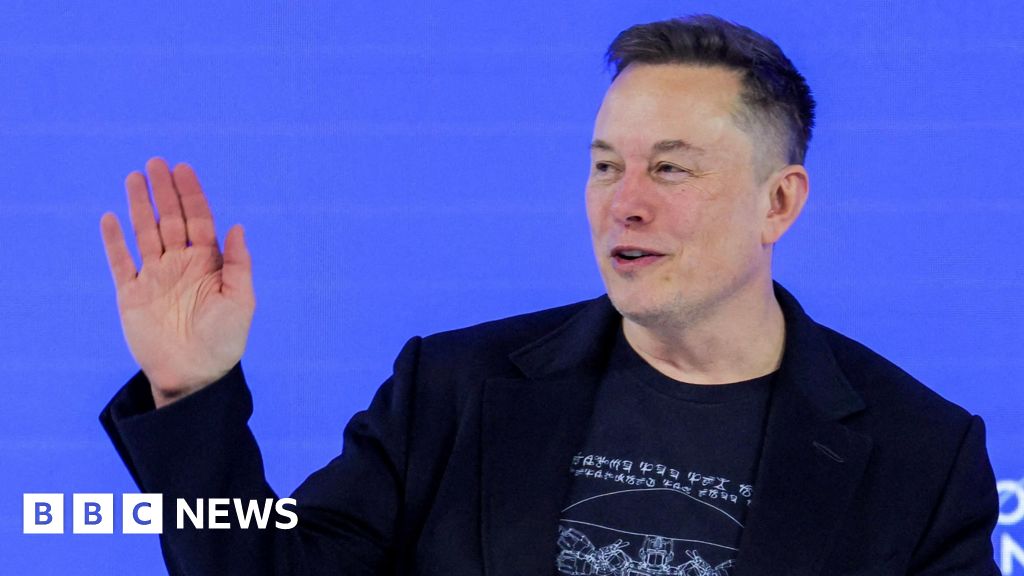
SpaceX filed a confidential IPO with the SEC aiming to go public around June, targeting a valuation in excess of $1tn and plans to raise $50bn+; internal post-merger valuation with xAI was $1.25tn. The move consolidates Musk's assets (xAI, X, Tesla links) to shore up massive capital needs for compute, infrastructure and chipmaking (Terafab), and could materially increase public-market tech capitalization and Musk's net worth.
A SpaceX IPO turbocharges not just an aerospace equity story but several sectoral cost curves: satellite broadband scale economies, captive AI compute demand, and an integrated chip-to-launch supply chain under a single founder-driven corporate umbrella. Expect downward pressure on launch pricing within 12–24 months as a public-capital-backed SpaceX can subsidize market share to protect Starlink/Terafab ambitions, squeezing smaller pure-play launch providers and making rideshare margins structurally tougher.
Chip and fab dynamics are the non-obvious lever: Musk’s vertically integrated Terafab rhetoric implies incremental near-term demand for specialized AI inference/edge silicon but a long-run push to in-house manufacturing that could reroute high-margin wafer demand away from commercial foundries and tooling vendors; that creates a multi-year bifurcation where Nvidia-style GPU demand rises but certain foundry/tool revenue becomes lumpy.
Regulatory, operational and governance risks are front-loaded. Key near-term catalysts (next 3–9 months) are SEC feedback, lock-up/secondary share mechanics and whether executives explicitly commit Starlink/Tesla/xAI commercial contracts to SpaceX — any sign of insider monetization, national-security export constraints, or a major launch failure would crater sentiment quickly. Over 1–3 years, the largest tail risk is a capital-intensive pivot (space data centers, Mars capex) that materially increases dilution even as revenues scale.
Investor positioning should therefore differentiate: trade short-lived re-ratings around the IPO event from durable structural winners/losers across launch, satellite components, and AI compute supply chains. Liquidity windows (roadshow, lock-up expiry) will create predictable volatility pulses to harvest with options structures rather than outright directional exposures.
AI-powered research, real-time alerts, and portfolio analytics for institutional investors.
Request DemoOverall Sentiment
strongly positive
Sentiment Score
0.75
Ticker Sentiment
