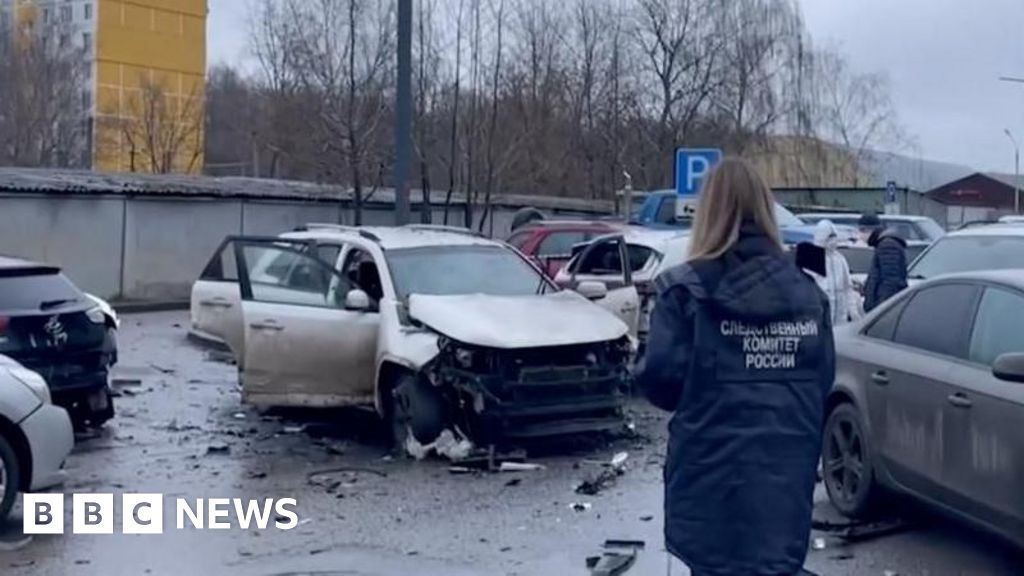
Lt Gen Fanil Sarvarov, 56, head of the Russian armed forces' operational training department, was killed by a car bomb in a Moscow parking area; investigators say an explosive device planted under the car detonated and are probing a theory of involvement by Ukrainian intelligence. The attack, which follows previous high‑profile killings of generals in Moscow, underlines a pattern of targeted strikes inside Russia that raise domestic security concerns and could sustain elevated geopolitical risk premia, potential ruble volatility and heightened investor caution toward Russian assets.
Market structure: Targeted violence in Moscow lifts the relative winners — large Western defense primes (RTX, LMT, NOC) and cybersecurity suppliers — as governments accelerate procurement and budgets reallocate. Direct losers are Russia-specific assets (equities, sovereign and corporate debt, RUB FX) with sovereign spreads likely to widen +100–300bp in a stress episode and increased safe‑haven demand for USD, gold and USTs.
Risk assessment: Immediate (0–7 days) is risk‑off: volatility spike, RUB depreciation and EM outflows; short term (weeks–3 months) could see higher defense orders and commodity risk premia; long term (3–18 months) tail scenarios include asymmetric escalation or domestic instability that materially disrupts hydrocarbon exports. Hidden dependencies include pipeline routing, insurance costs for shipping/energy, and cyberattack retaliation; catalysts that would accelerate moves are an official claim of responsibility, major retaliatory strikes, or new sanctions/litigation against Russian supply chains.
Trade implications: Tactical plays favor convex hedges (gold GLD, long USTs TLT) and selective longs in large-cap defense names; consider defined‑risk options to monetize episodic volatility in oil and defense equities. Relative value: long US defense primes vs short cyclical EM exporters (energy service contractors without Western access) to capture re‑rating while hedging macro risk.
Contrarian angles: Consensus may underweight chronic governance risk inside Russia — if instability persists, energy market tightness could be structural (oil +$5–$15/bbl shock scenarios) while EM panic overshoots creating entry points. The overreaction risk is short-lived oil spikes and ruble moves; that creates opportunities to sell volatility and buy quality on dips once headlines normalize.
AI-powered research, real-time alerts, and portfolio analytics for institutional investors.
Request DemoOverall Sentiment
moderately negative
Sentiment Score
-0.35
