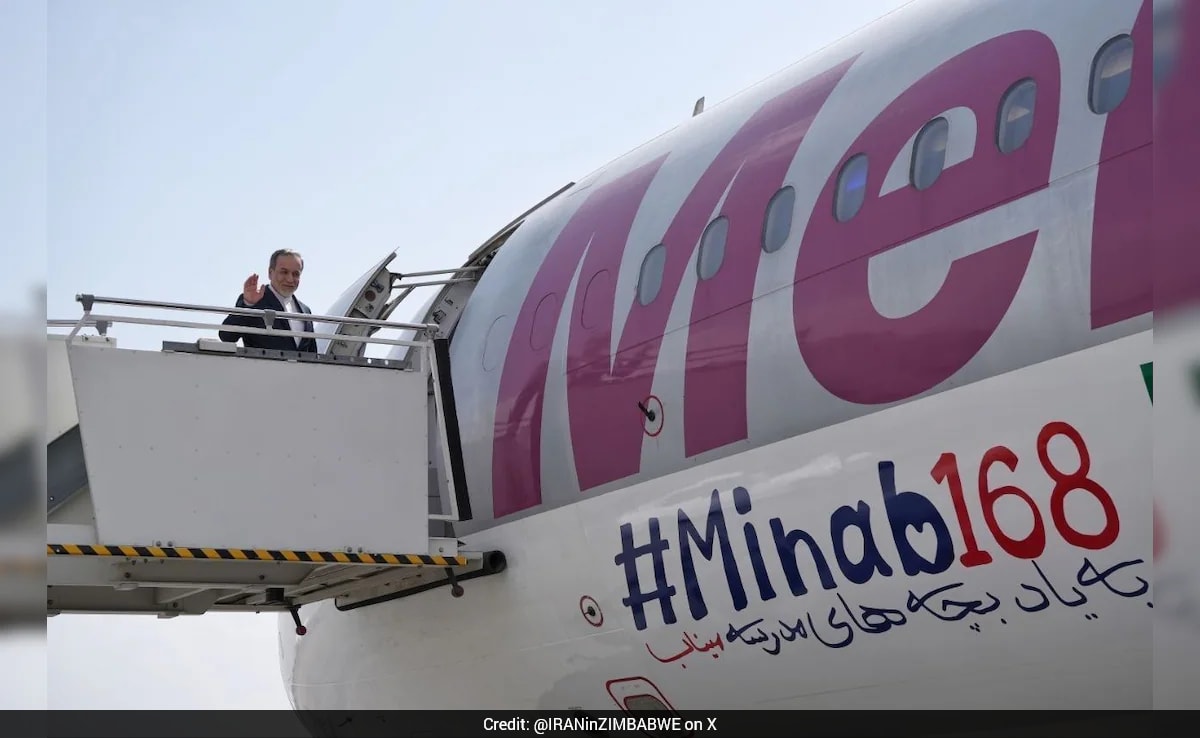
Iranian Foreign Minister Abbas Araghchi’s New Delhi visit comes amid the US-Israel war on Iran, with talks expected to focus on the Strait of Hormuz, a route carrying about 20% of global oil and LNG flows. The closure or disruption of Hormuz has already pushed global oil and gas prices higher and raises supply-chain risk for energy markets. BRICS discussions are likely to center on the Middle East crisis, but deep divisions among members make a consensus statement uncertain.
The market implication is less about a single diplomatic meeting and more about the probability distribution of energy-disruption outcomes staying fat-tailed. A partial closure or harassment of shipping through Hormuz would not need to eliminate flows to reprice the complex; even low-single-digit percentage disruptions can create outsized prompt-month volatility because spare tanker capacity, rerouting time, and insurance friction are all slow-moving. The first order beneficiaries are upstream producers and LNG exporters outside the Gulf, but the second-order winners are the logistics bottlenecks: tanker rates, marine insurance, and air-freight substitutes if Asia attempts inventory front-loading. The real near-term loser set is Asia ex-Japan, especially India, Korea, and import-intensive ASEAN names where energy is a tax on margins and FX. India is uniquely exposed because it is simultaneously a large crude importer and a claimant to geopolitical neutrality; any prolonged Hormuz stress increases its current-account sensitivity and could compress local cyclicals even if headline equities initially ignore it. For China, the issue is not just oil price but strategic stockpiling behavior: if Beijing accelerates reserves into any dip, it can keep prompt benchmarks bid even if physical demand softens. Consensus is likely underestimating how quickly “temporary” shipping disruption becomes a financing problem. If insurers widen exclusions or re-rate voyages through the Gulf, working capital needs rise immediately for traders and refiners, creating a hidden squeeze before actual barrels go missing. The bigger medium-term risk is that a diplomatic pause calms front-month crude without resolving route-security risk, which keeps the term structure backwardated and supports energy equities longer than spot headlines would suggest. The contrarian angle is that BRICS diplomacy may matter more for signaling than for supply, and that signaling can cap panic if India successfully frames the issue as a de-escalation channel. That would likely hurt the most crowded long-vol energy trades first, while keeping structural bullishness intact in equities with low lift-off cost and high balance-sheet resilience. In other words, the move is not overdone in direction, but it may be overdone in timing: the cleanest risk/reward may sit in deferred options, not outright spot exposure.
AI-powered research, real-time alerts, and portfolio analytics for institutional investors.
Request DemoOverall Sentiment
moderately negative
Sentiment Score
-0.45
