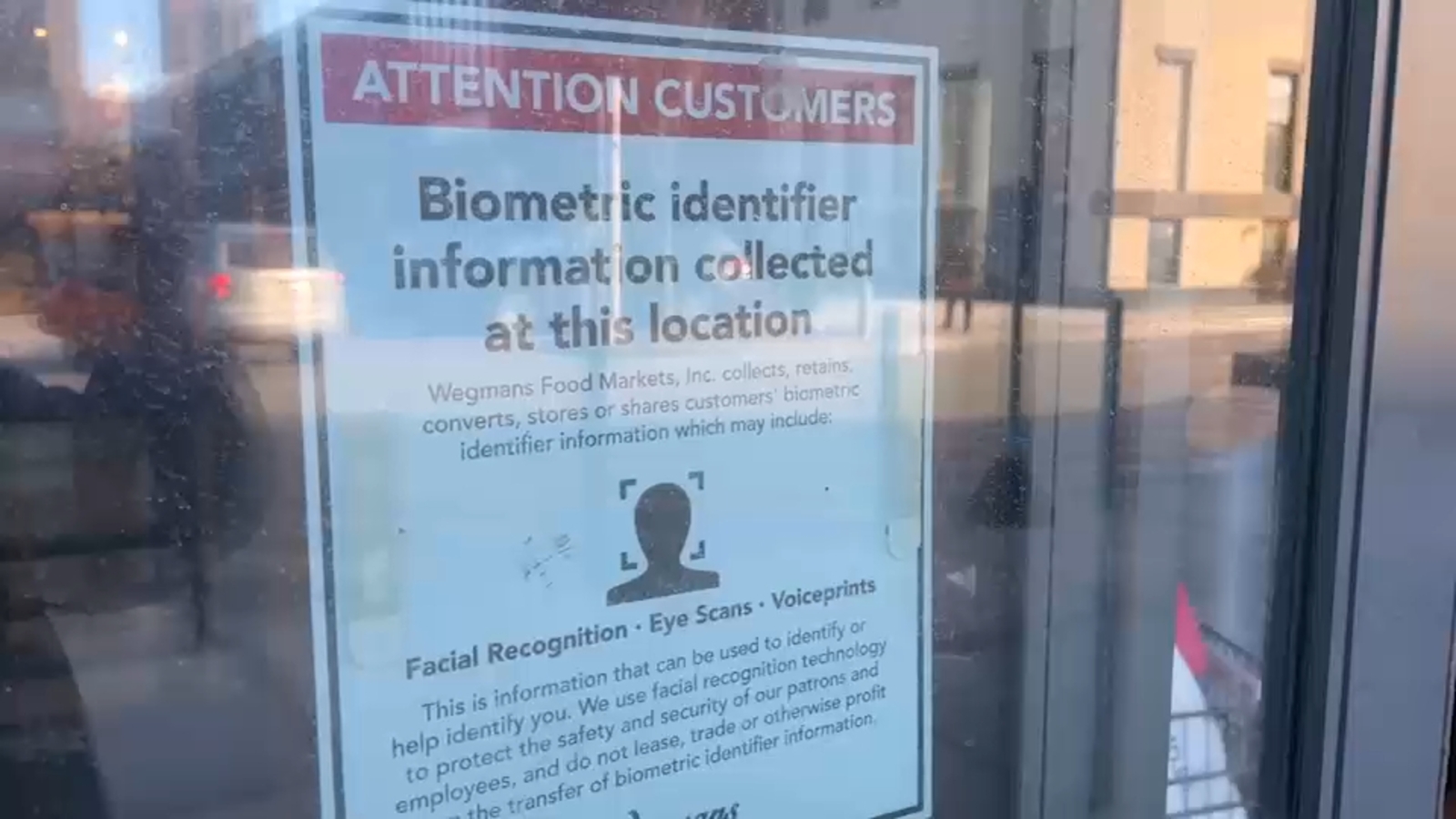
Wegmans has posted signs at Brooklyn and Manhattan locations indicating it retains shoppers' biometric data — including facial recognition, eye scans and voiceprints — purportedly to enhance security, contradicting earlier pilot-program statements that such data would be deleted. The disclosure has raised customer unease and highlights potential reputational and regulatory risk as City Council efforts to ban biometric storage have long stalled, creating an operational and political tail risk that could prompt future local restrictions or consumer backlash.
Market structure: Immediate winners are cybersecurity and identity-management vendors (OKTA, PANW, CRWD) and cybersecurity ETFs (HACK, CIBR) as retailers accelerate spend on privacy/compliance; losers are urban brick‑and‑mortar retailers and niche biometric vendors that depend on lax regulation. Expect pricing power for enterprise SaaS identity tools to rise, implying a 3–6% incremental revenue tailwind industrywide over 12–24 months as reuse of legacy on‑prem solutions is replaced.
Risk assessment: Tail risks include municipal or state bans, class actions, or FTC enforcement that could impose fines equal to 0.5–2% of a large retailer’s market cap or force costly data purges; likelihood moderate over 6–18 months. Short horizon (days–weeks) risk is reputational traffic loss (model a 1–3% weekly sales hit in affected stores), medium (3–12 months) is regulatory action, long (12–36 months) is contract renegotiation and capex to rip/replace systems.
Trade implications: Favor cybersecurity exposure and diversified ETFs over point biometric plays; expect relative outperformance within 3–12 months. Options: use 3–9 month call verticals on OKTA and PANW to capture adoption while capping premium; hedge with short puts on HACK or buy XRT puts to protect against retail drawdowns.
Contrarian angles: Consensus underprices vendor concentration and third‑party data custody risks — some biometric vendors could face rapid de‑risking, while the broader cyber winners may already price in heavy upside. Historical parallel: GDPR boosted compliance SaaS over 12–24 months; here the mispricing is between diversified cyber ETFs (underowned) and niche biometric hardware names (overowned).
AI-powered research, real-time alerts, and portfolio analytics for institutional investors.
Request DemoOverall Sentiment
mildly negative
Sentiment Score
-0.25
