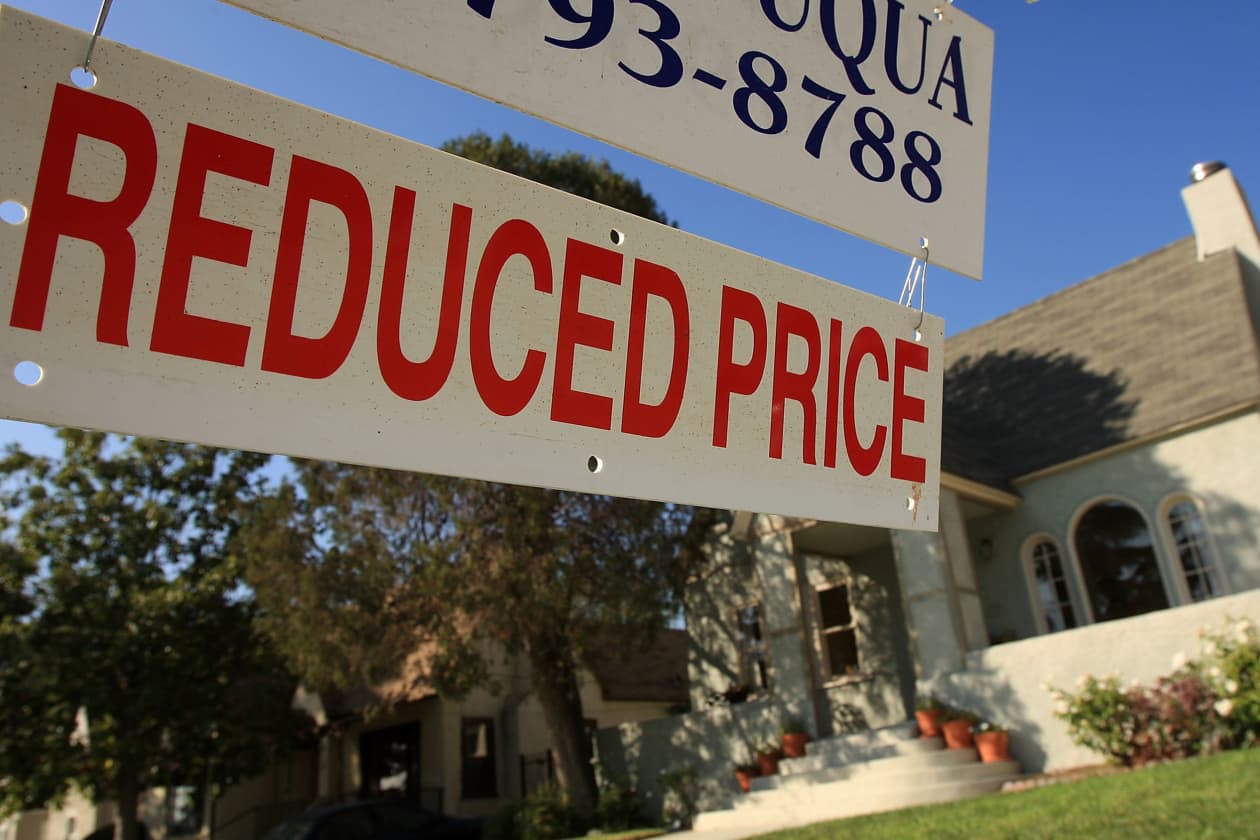
National home prices increased by only 1.5% year-over-year in August, according to the S&P Case-Shiller Index, representing the weakest growth in over two years and falling below the current 3% inflation rate. This real-term erosion of housing wealth, which is the primary asset for most U.S. households, signals the end of rapid appreciation and transforms the 'housing wealth effect' from a tailwind to a potential headwind for consumer spending and broader economic growth. While not indicative of a 2008-style crash and values remain significantly higher than pre-pandemic levels, this trend could impact consumer behavior and economic stability, despite recent declines in mortgage rates potentially stimulating some demand.
National home prices increased by a mere 1.5% year-over-year in August, according to the S&P Cotality Case-Shiller Index, marking the weakest annual growth in over two years. This growth rate significantly lags the current 3% inflation rate, leading to a real-term erosion of housing wealth for homeowners. The 20 largest metro areas also experienced a slowdown, with prices rising only 1.6% year-over-year, down from 1.8% the previous month.
This deceleration signals the end of the rapid appreciation seen in recent years, as noted by Nicholas Godec of S&P, who stated that "homeowners are watching their real equity erode." Mark Zandi of Moody's Analytics highlights that the "housing wealth effect" is transitioning from a tailwind to a headwind for consumer spending and broader economic growth, particularly impacting middle-income Americans whose primary asset is often their home. This shift could prompt adjustments in spending patterns.
Despite the slowdown, this trend is not indicative of a 2008-style housing crash, with national home values still up 56% since January 2020. While homes are sitting on the market longer and requiring price cuts, recent declines in the 30-year mortgage rate, which fell to 6.13% by late October from over 6.5% in August, could potentially stimulate home-buying demand. However, the real erosion of equity remains a significant concern for existing homeowners.
AI-powered research, real-time alerts, and portfolio analytics for institutional investors.
Overall Sentiment
moderately negative
Sentiment Score
-0.50
Ticker Sentiment
