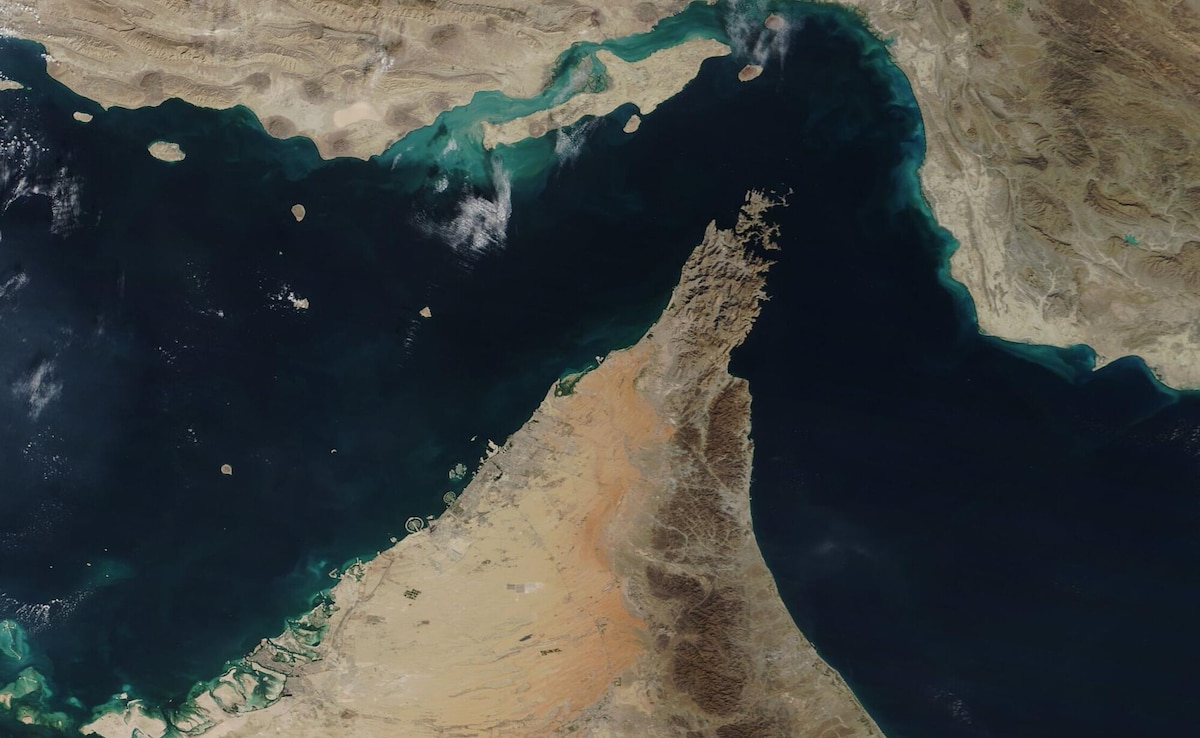
35 countries have signed a statement and the UK will host an international diplomatic conference this week to reopen the Strait of Hormuz; Iran's blockade threatens roughly one-fifth of global oil and gas flows. The meeting will evaluate diplomatic/political options and then convene military planners to restore navigation after fighting stops, as the chokehold is already driving energy price inflation globally. Elevated geopolitical risk and public US-UK tensions increase the probability of sustained volatility in energy and shipping markets in the near term.
The immediate market transmission will be through war-risk premia: higher marine insurance, longer sailings around Africa, and time-charter spikes that amplify tanker owner EBITDA in weeks, not months. Expect tanker TCEs to re-rate 30-60% on persistent disruption; conversely a credible escorted-reopening plan could compress those premia by 40% within 4–8 weeks as insurance floors and convoy coordination reduce perceived tail risk.
Energy secondaries diverge: incremental margin accrual favors fast-response US shale and storage-rich midstream (they capture near-term price shocks), while integrated majors absorb refining margin swings and political capex risk, creating a 6–12 month window where small-cap E&P outperformance is likely. Asian refiners and LNG off-takers face immediate feedstock and freight-cost passthrough; heavier importers (India, China) will either pay higher CFR or accelerate strategic stock builds, supporting short-term demand for tank storage and floating storage economics.
Macro tail-risks are asymmetric. A full, sustained closure of the strait would shock Brent by multiples (>$20/bbl in a worst-case week) and force fiscal responses that compress global growth within two quarters; diplomatic success could produce a rapid oil/insurance squeeze-down and pain for long-vol plays. Position sizing should treat shipping/insurance squeezes as high-convexity, short-duration trades (weeks–months), and energy-production re-allocations as medium-term (3–12 months) opportunities tied to inventory and SPR responses.
AI-powered research, real-time alerts, and portfolio analytics for institutional investors.
Overall Sentiment
mildly negative
Sentiment Score
-0.30
