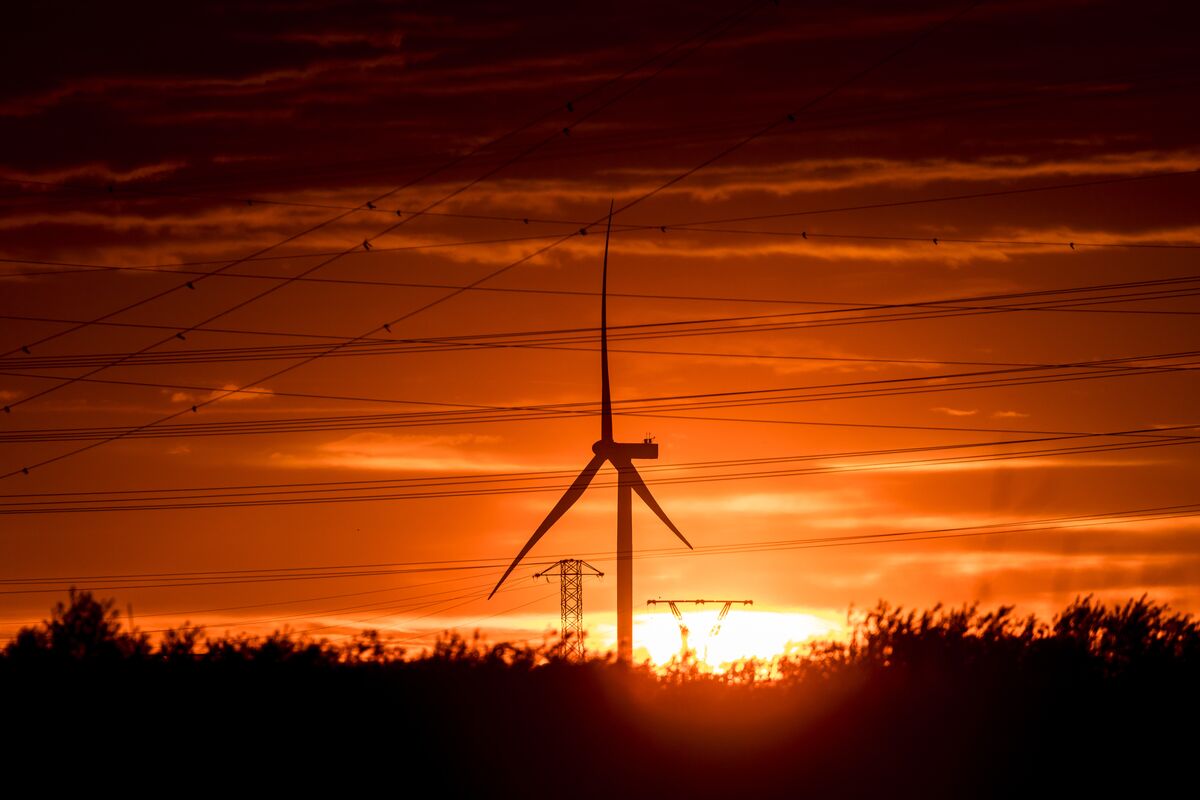
European power firms are increasingly hedging against wind droughts after experiencing a significant drop in wind speeds across Europe from February to April, the largest deviation from long-term averages since 1940. This shift comes after approximately $380 billion was invested over the last decade to nearly double wind power capacity, highlighting the inherent risk of relying on weather-dependent energy sources and the need for financial instruments to mitigate generation volatility.
European power utilities, following an approximate $380 billion investment over the last decade that nearly doubled wind power capacity, are now actively seeking to mitigate financial risks associated with weather-dependent generation. A significant recent 'wind drought' across Europe from February to April, characterized by the largest deviation in wind speeds from long-term averages since 1940, has underscored the inherent vulnerability of wind power output. This increased generation uncertainty is compelling utilities to turn to an obscure and little-known market for hedging instruments, highlighting a growing need to protect revenues against prolonged calm weather conditions. The situation underscores that substantial capital investment in renewable capacity does not eliminate the fundamental challenge of resource intermittency, prompting a more sophisticated approach to risk management within the sector.
AI-powered research, real-time alerts, and portfolio analytics for institutional investors.
Request DemoOverall Sentiment
strongly negative
Sentiment Score
-0.60
