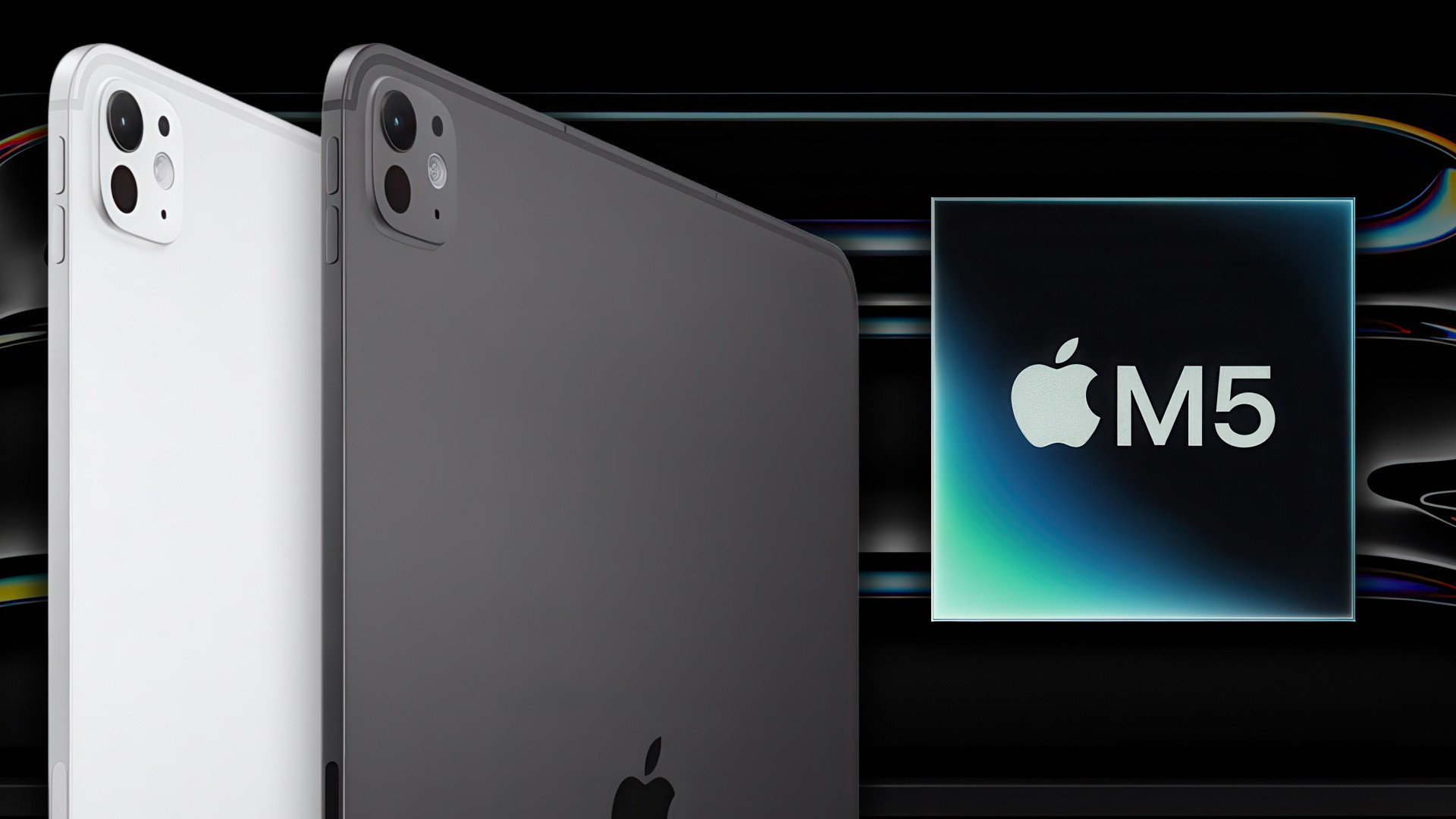
Apple's M5 iPad Pro posts strong graphics gains versus the A19-powered iPhone 17 Pro — roughly doubling performance on 3DMark benches (Steel Nomad Light 37.5 fps / 196.3%, Wild Life Extreme 68.8 fps / 199.4%, Solar Bay 87.0 fps / 186.7%, Solar Bay Extreme 29.7 fps / 198.0%) — and delivers solid real-world gaming at high settings. However, the fanless M5 shows notable thermal throttling in extended stress tests (Steel Nomad Light stability 62.7% vs Mac Mini 91.0%), allowing an actively cooled M4 Mac Mini to outperform under sustained load; typical gameplay did not reveal problematic drops. On productivity the device benefits from increased low-spec RAM (8GB→12GB) and iPadOS 26 windowed multitasking, but Final Cut Pro for iPad lacks several pro features (no compound clips, reduced effects) limiting its substitution for Macs, making the release strategically important but of limited near-term market-moving impact.
Market structure: Apple’s M5 iPad Pro strengthens Apple’s pricing power in premium tablets and tightens differentiation vs. Android competitors; component winners include TSM (advanced nodes) and DRAM suppliers as base memory jumped from 8GB→12GB. Expect modest share gains in high-end tablets (mid-single-digit global units) and stronger ASPs (+$50–$150 per unit) that disproportionately lift gross profit and services attach economics over 12–18 months.
Risk assessment: Primary tail risks are (1) demand disappointment vs. elevated street inventories (unit miss >5% QoQ) and (2) thermal/UX reviews that depress replacement cycles; regulatory antitrust risks around App Store/ecosystem remain low-probability but high-impact. Near-term (days–weeks) sensitivity centers on guidance and supply confirmations; medium-term (3–12 months) watch component lead times, and long-term (12–36 months) depends on silicon cycle (M6/M7) and service monetization.
Trade implications: Direct plays — long AAPL and selected suppliers (TSM, MU) while using defined-risk options to cap downside. If implied vol is muted (<30% for AAPL), prefer debit call spreads 6–9 months out to capture upgrade cycles; overweight semis and panel suppliers into potential higher content-per-device trends.
Contrarian angles: Consensus praises hardware but underestimates iPadOS multitasking frictions that could slow pro-adoption and Mac cannibalization; the market may underprice durability of Mac+services earnings. Conversely, weakness from thermal throttling in stress tests is overplayed vs. real-world usage—don’t expect large structural declines absent broad consumer demand slump.
AI-powered research, real-time alerts, and portfolio analytics for institutional investors.
Request DemoOverall Sentiment
mildly positive
Sentiment Score
0.35
Ticker Sentiment
