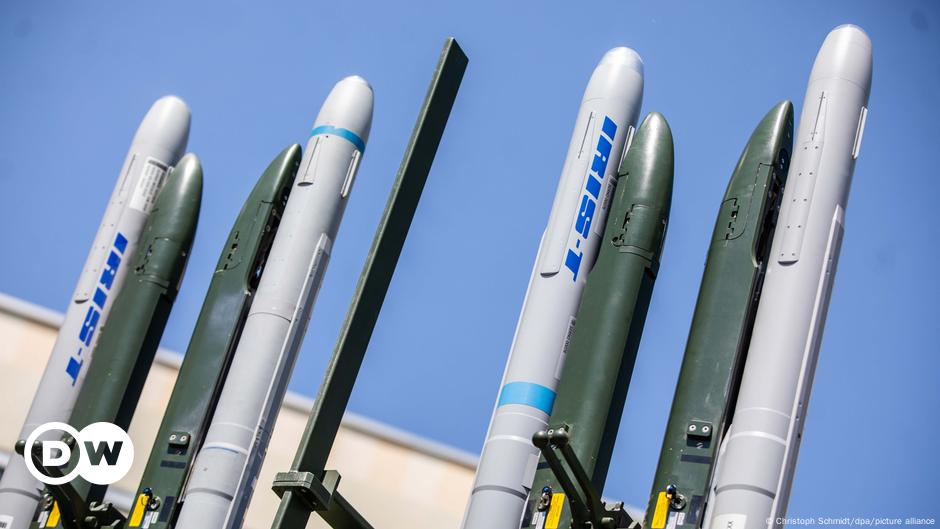
SIPRI reports arms-makers' weapons and military services revenues hit $679 billion in 2024, an inflation-adjusted increase of 5.9% year-on-year driven largely by demand tied to the war in Ukraine. Regional splits show US-based firms (39 companies) account for nearly half of sales but grew modestly (+3.8%), while 26 European firms rose 13% and German companies surged 36% (four German firms generated $14.9bn); Rheinmetall earned 47% more and KNDS saw orders jump 40% (revenue +14%). Russia shifted to a war economy—domestic production of 152mm shells rose 420% (250,000 to 1.3m between 2022–24)—while Chinese arms revenues fell ~10% amid corruption-related order cancellations; top global firms remain led by Lockheed Martin, RTX, Northrop Grumman, BAE and General Dynamics.
Market structure: The SIPRI data confirms a bifurcation — incumbent US primes (LMT, NOC, RTX, GD) hold ~50% share and benefit from durable DoD budgets, while European specialists (Rheinmetall, Diehl) are capturing a near-term 13% regional revenue surge and Germany +36% driven by restocking and ammo orders. Demand is front-loaded (replenishment + replacement), creating 12–36 month lead times and pricing power for specialized munitions and ground systems; Chinese OEMs are the primary near-term losers (-10% revenue) from corruption-driven order freezes.
Risk assessment: Tail scenarios include rapid de-escalation/peace (>=20% drop in European/US orders within 12 months) causing 15–30% revenue downgrades for exposed manufacturers, or expanded sanctions/parts chokepoints raising production risk and input inflation (steel, electronics, rare earths). Immediate (days) volatility tied to contract announcements and FX flows; short-term (3–12 months) earnings rehypothecation from order timing; long-term (2–5 years) demand depends on NATO sustainment budgets and industrial capacity rebuilds. Hidden dependency: single-source electronics and artillery-capacity constraints can bottleneck delivery despite order momentum.
Trade implications: Tactical overweight US primes via LMT/NOC (2–3% portfolio each) with 9–12 month horizons; use defined-risk bullish call spreads (buy 12m 10% ITM / sell 25% OTM) to lever upside while capping theta. Add selective European exposure (RHM.DE) sized 1–2% versus short FXI (China ETF) to capture regional divergence; stagger entries over 4–8 weeks around EU budget confirmations. Protect positions with 1–2% cost collars if order intake falls >15% q/q.
Contrarian angles: Consensus underestimates inventory-cycle mean reversion — once NATO/EU stocks rebuilt (12–24 months) commodity-driven margin compression and order normalization are likely, creating a 20–35% downside risk from peak multiples. Historical analog: post-2014 defense spikes saw multi-year plateaus; unintended consequence — accelerated domestic capacity may crowd out exports and cap long-term growth. Exit/trim if a name rallies >25% pre-earnings or if headline risk (ceasefire talks, major budget rollback) materializes.
AI-powered research, real-time alerts, and portfolio analytics for institutional investors.
Request DemoOverall Sentiment
moderately positive
Sentiment Score
0.35
Ticker Sentiment
