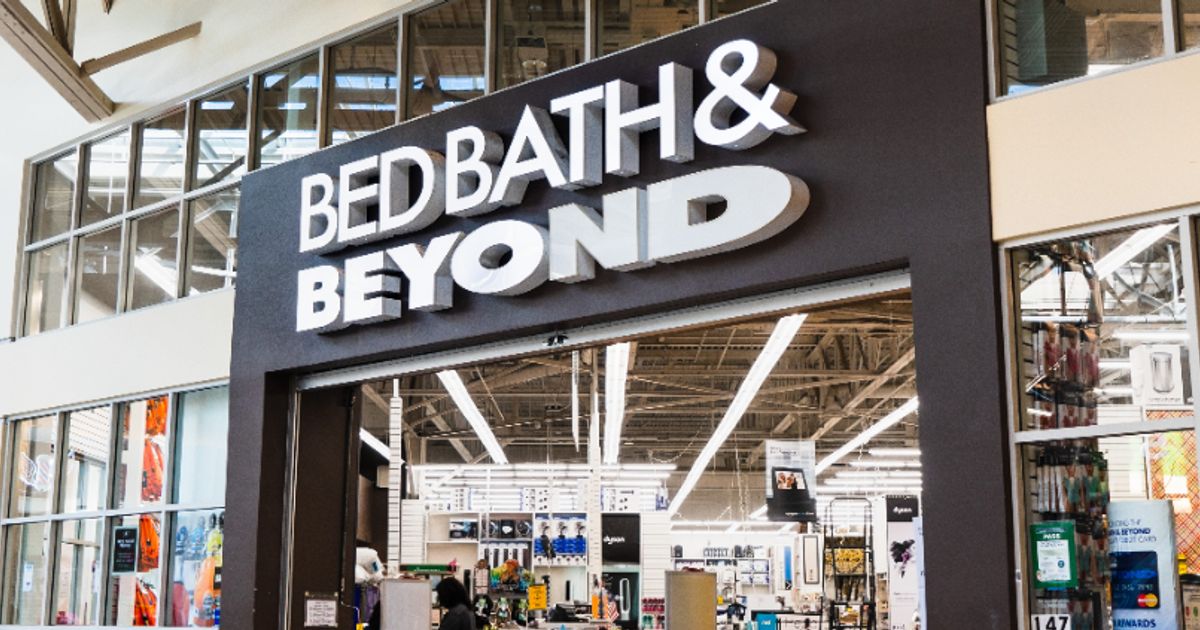
Marcus Lemonis was formally appointed CEO of Bed Bath & Beyond while retaining his executive chairman and principal executive officer roles, sending shares up about 6% to roughly $6. Lemonis outlined a 2026 framework targeting approximately $1.5 billion in total base revenue (including ~$350 million from Kirkland’s) and roughly $1.15 billion in core Bed Bath & Beyond revenue versus Street expectations of ~$1.03 billion, and management expects ~$25 million of incremental cost reductions over the next 12 months largely from merger-related synergies. Jefferies, which is waiting for the Kirkland’s close before updating its model, reiterated a Hold rating but cut its price target to $7 from $9, citing lower valuation multiples and increased execution risk.
Market structure: Lemonis’s CEO appointment directly benefits BBBY equity holders, private-label suppliers, and Kirkland’s if the deal closes; competitors such as TJX/HomeGoods and Wayfair face modest share pressure only if BBBY delivers sustained cross-category assortment gains. Short-term pricing power is limited — management projects core revenue of ~$1.15bn vs. Street ~$1.03bn, implying >10% core growth is required to materially change merchant economics; absent that, promotions and markdown risk remain high. Cross-asset impacts are concentrated in equity and options markets—expect elevated BBBY implied volatility and continued illiquidity in any existing BBBY debt, while FX and commodity links are immaterial.
Risk assessment: Tail risks include a failed Kirkland’s integration, a covenant or liquidity shock if gross margins compress >300–500bps, or reputational fallout if inventory missteps force heavy markdowns. Immediate (days) risks are re-rating volatility and short squeezes; short-term (weeks–months) hinge on the Kirkland’s close and initial synergy realization (~$25m); long-term (quarters–years) depends on durable organic growth and execution bandwidth as Lemonis juggles multiple ventures. Hidden dependencies: realization of synergies requires SKU rationalization, supplier concessions and inventory turn improvements that aren’t guaranteed; second-order risk is capital allocation away from core stores.
Trade implications: Consider establishing a 2–3% long position in BBBY (ticker BBBY) sized to portfolio risk if price is between $5.50–$6.50 and the Kirkland’s transaction closes within 90 days or management proves Q1 revenue cadence toward $1.15bn; use a 25% stop-loss and 6–12 month target of $9. Enter a paired short in CWH (1–1.5%) to hedge CEO distraction risk. For options, buy a 3–6 month BBBY call debit spread (buy $6 / sell $10) sized to 0.5% notional and purchase 3-month $4 puts (0.25% notional) as tail protection; trim long exposure if inventory turns do not improve by next quarterly report.
Contrarian angles: The market may underprice execution risk — Lemonis’s Camping World turnaround took years and required aggressive capital discipline, so near-term multiples should remain muted until two consecutive quarters of profitable organic growth. The 6% pop is likely overdone absent concrete metrics; conversely, if BBBY demonstrates >10% core growth and realizes >$25m synergy within 12 months, upside could re-rate to multiples 30–50% above current consensus. Key monitoring triggers over the next 30–60 days: Kirkland’s deal close, confirmation of $25m cost savings, inventory turns, and same-store sales inflection.
AI-powered research, real-time alerts, and portfolio analytics for institutional investors.
Request DemoOverall Sentiment
neutral
Sentiment Score
0.14
Ticker Sentiment
