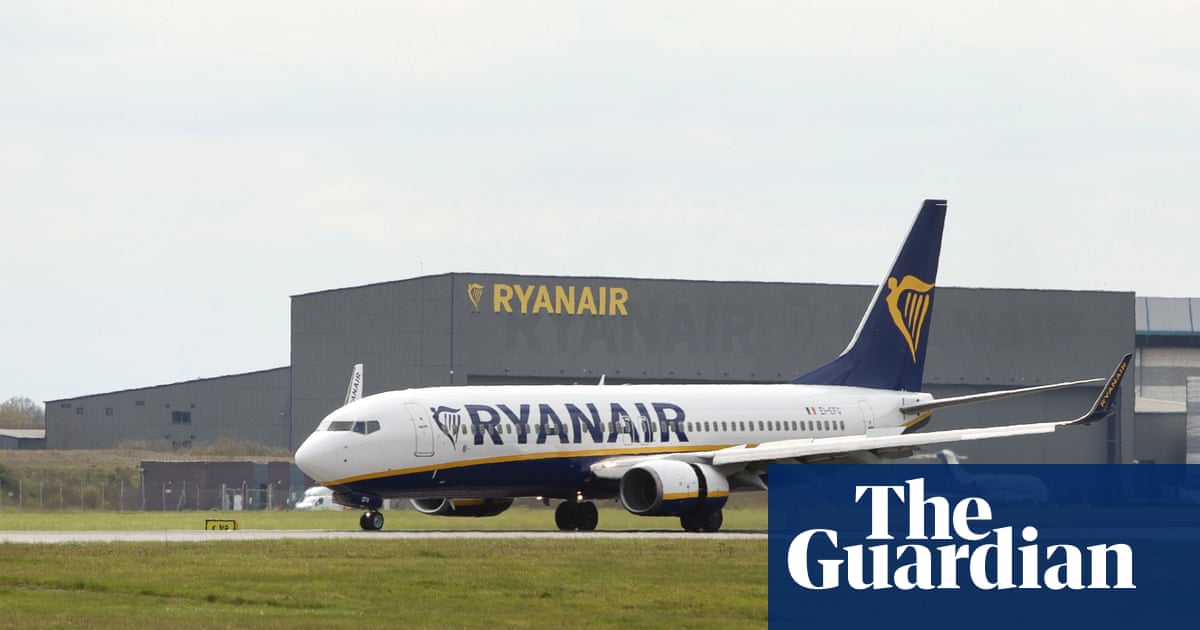
UK is highly exposed with ~25% of its jet fuel supplied from Kuwait, raising shortage risk as the Iran war disrupts Gulf exports; jet fuel averaged $195/barrel last week ( >2x last year) while Brent briefly fell to $98.83. Ryanair has hedged ~80% of its fuel at $67/barrel through next March, but CEO Michael O'Leary warns that a 10–20% summer supply shortfall would force capacity cuts or cancellations and potentially higher fares. The company also reiterated calls to abolish the UK air passenger duty (APD) after a £2 rise on short-haul tickets and said it added 29 aircraft this summer; Ryanair employs >26,000 staff.
The market is underpricing the operational (physical) dimension of fuel risk versus headline price risk; hedges mute P&L volatility but do not prevent the asymmetric, non-linear impact from supply shortfalls that force route pruning and aircraft groundings. If even a 10–20% regional supply shock materializes into June–August, revenue loss from cancellations and block-hour reductions will outstrip incremental fuel cost increases because fixed costs and network effects amplify earnings damage.
Second-order winners are asset owners that capture longer voyage/time-in-transit margins: tanker owners, storage terminal operators, and Mediterranean refiners/terminals that can arbitrage displaced cargoes will see outsized margin expansion if shipping reroutes persist for months. Conversely, carriers concentrated in a single sourcing basin (and with thin short-haul margins) are exposed to both volume and yield shocks; airports and tourist regions that rely on low-fare feeder traffic will experience demand elasticity near the margin.
Policy and demand elasticity create an important conditional path: a government move to cut or soften passenger taxes would be a structural boon to low-cost carriers but is politically binary and likely lagged (quarters). The fastest route to reversal of this supply shock is diplomatic de-escalation or a coordinated SPR/strategic commercial reroute; absent that, the operational pain will cluster in the summer leisure season when load factors are highest and rebooking costs and PR fallout are maximal.
Trading and risk windows are therefore discrete: headline-driven Brent swings (days–weeks) vs physical logistics-driven disruptions (months). Position sizing should reflect that the former can be hedged cheaply with options while the latter requires concentrated, time-boxed exposure around the European summer travel season (May–Aug).
AI-powered research, real-time alerts, and portfolio analytics for institutional investors.
Request DemoOverall Sentiment
mildly negative
Sentiment Score
-0.25
Ticker Sentiment
