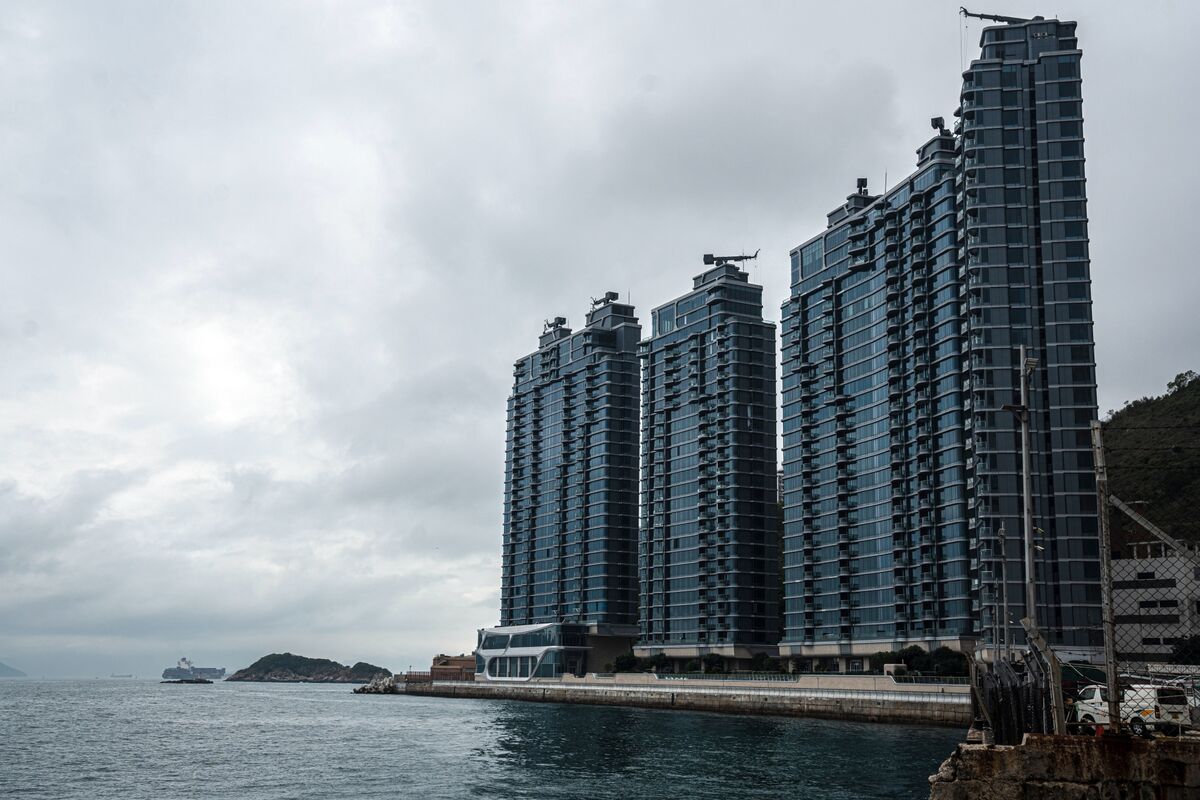
Distressed Chinese developers Logan Group Co. and KWG Group Holdings Ltd. are sounding out investor interest to refinance a $1.05 billion private loan secured by their luxury Hong Kong Corniche project, aiming to lower borrowing costs. The existing facility, signed in August 2024, carries a high initial annualized yield of up to 13%, highlighting these firms' ongoing efforts to manage significant debt burdens amidst prevailing liquidity challenges in the Chinese property sector.
Distressed Chinese developers Logan Group Co. and KWG Group Holdings Ltd. are actively seeking to refinance a substantial $1.05 billion private loan, a move that underscores the persistent liquidity and debt-servicing challenges within China's property sector. The existing facility, which is secured by the high-value 'Corniche' luxury residential project in Hong Kong, carries a notably high initial annualized yield of up to 13%. This punitive interest rate reflects the significant risk premium lenders are demanding for exposure to financially strained Chinese builders. The attempt to lower borrowing costs is a critical defensive maneuver to manage their capital structure, but the necessity of this action, combined with the 'moderately negative' sentiment signal, highlights their precarious financial position. The success or failure of this refinancing will serve as a key indicator of credit market appetite for asset-backed loans tied to even prime real estate when the borrowers are distressed.
AI-powered research, real-time alerts, and portfolio analytics for institutional investors.
Request DemoOverall Sentiment
moderately negative
Sentiment Score
-0.50
