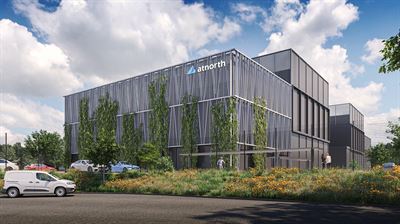
atNorth will build a 30MW metro data center (SWE02) in Kista, Stockholm adjacent to its SWE01 campus, expanding its Nordic footprint to eleven sites; the facility is scheduled to go live in Q4 2027. SWE02 will include heat-reuse capability in partnership with Stockholm Exergi and a new electrical substation to be built by Ellevio to improve local grid resilience, enabling seamless cluster operations and higher redundancy for customers. The project underscores demand for high‑density, sustainable colocation and reinforces atNorth’s strategy of combining energy efficiency, circular‑economy heat recycling and local infrastructure investments.
Market structure: atNorth’s SWE02 signals rising willingness of hyperscale/colocation customers to pay premiums for metro, high-density sites with validated heat-reuse and grid resilience; winners include global listed colo REITs with strong sustainability pedigrees (EQIX, DLR) and Nordic utilities/renewables (Fortum, Vestas exposure indirectly), while legacy, inefficient regional operators face margin pressure. Supply/demand: a 30MW metro build in Stockholm plus other Nordic expansions implies continued tightness in prime metro capacity through 2027–2028; expect colo spot/renewal pricing power to rise 5–15% in constrained metros if demand growth (~10–15% CAGR for AI/high-density workloads) persists.
Risk assessment: key tail risks are regulatory/political backlash on district heat schemes or stricter grid allocation rules, permitting or substation build delays (push beyond Q4 2027), and higher financing costs (each 100bps rise in real yield increases project WACC materially and could cut IRR by 200–400bps). Short-term (0–3 months) market moves minimal; medium-term (6–18 months) sentiment around green infra financing and carbon/power price moves; long-term (2–5 years) depends on realized power shortages and municipal heat-offtake contracts.
Trade implications: favor long exposure to scale leaders that can monetize sustainability (EQIX, DLR) and to Nordic utility/renewable names (ticker FORTUM.HE) plus targeted Nordic power forwards or EUA exposure (6–12m) to hedge commodity passthrough. Use option structures (9–12m call spreads) to lever upside while capping premium; underweight small/mid-cap European property/REITs (EPRA index) that lack ESG differentiation. Monitor grid-capacity announcements (Ellevio timelines) and municipal heat off-take contract filings as 30–90 day catalysts.
Contrarian angles: consensus underestimates execution risk and financing strain—if yields stay >3.5% real, many green projects lose margin; this makes 12–24m put spreads on speculative data-center builders attractive. Also overheating demand narratives may be underdone: if Nordic baseload rises >15% by 2027, utilities outperform and colo operators with locked long-term green contracts could see margin compression from higher power passthrough, creating dispersion opportunities.
AI-powered research, real-time alerts, and portfolio analytics for institutional investors.
Request DemoOverall Sentiment
moderately positive
Sentiment Score
0.45
