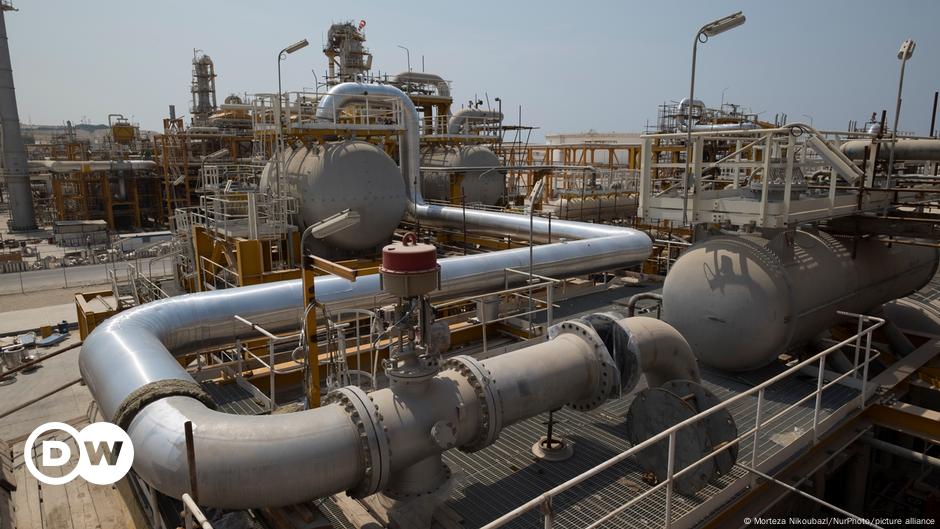
A 45-day ceasefire proposal was reportedly presented to the US and Iran and has been rejected by Tehran, which demands a definitive end to hostilities. Israeli strikes reportedly hit the South Pars/Asaluyeh petrochemical complex — claimed to account for ~50% of Iran’s petrochemical production and, with a second site, roughly 85% of petrochemical exports — in a gas field that supplies ~70% of Iran’s gas; the IAEA said strikes occurred as close as 75m from the Bushehr nuclear plant. The strikes and the killing of IRGC intelligence chief Majid Khademi (one of ~25 reported fatalities in recent strikes) raise immediate risk of wider escalation, significant upward pressure on oil/gas prices and shipping disruption through the Strait of Hormuz, prompting a broad risk‑off market reaction.
The likely, durable outcome is a structurally higher risk premium on Middle East energy flows rather than a permanent physical shortage. Expect an immediate 7–20% rise in voyage time and fuel consumption for crude and products rerouted around Africa (Suez/Red Sea to Cape of Good Hope), translating into higher bunker costs and tanker time-charter rates for 1–3 months until alternative logistics are scaled. Petrochemical chain impacts will be lumpy: loss of Iranian polymer and intermediate exports tightens specific product markets (urea/ethylene derivatives) raising margins for well-hedged global producers for 3–9 months while forcing consumers to draw inventories.
Financial markets will price in elevated defense and insurance costs—marine war risk premiums and P&I surcharges can rise 3x–10x in weeks—benefiting reinsurers and defense primes while compressing returns for energy-intensive industrials. A targeted strike on nuclear-adjacent infrastructure or confirmed radiological release would be a regime-change shock, spiking Brent toward $120–140 within days and materially rerating risk assets; absent that, political mediation and SPR releases can cap extreme tail outcomes within 30–90 days. Over 6–24 months, expect capex reallocation toward non-Gulf upstream and accelerated LNG/Floating storage investments as corporates de-risk supply chains.
The consensus underestimates the speed at which trade flows and insurance markets reprice; shipping and insurance adjustments happen within days, not quarters. This creates asymmetric, short-duration opportunities in freight, insurance, and defense, while longer-dated energy exposures should be sized conservatively given the non-linear escalation tail.
AI-powered research, real-time alerts, and portfolio analytics for institutional investors.
Request DemoOverall Sentiment
strongly negative
Sentiment Score
-0.80
