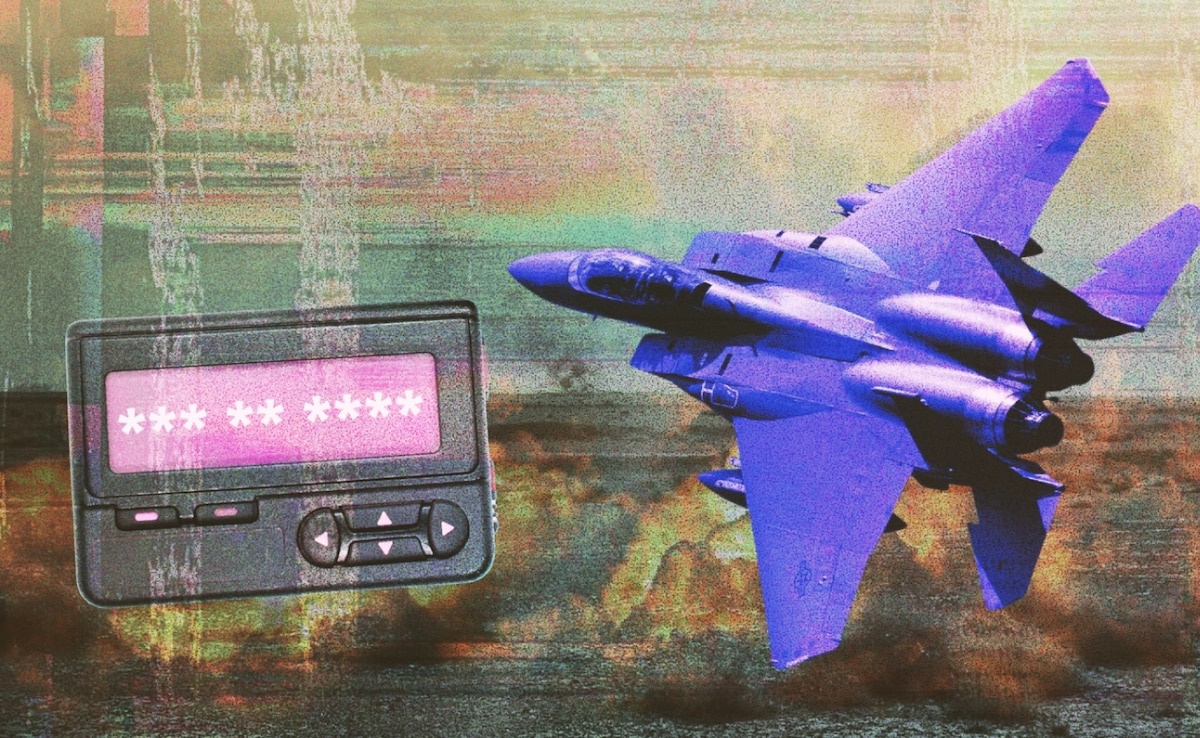
176 aircraft and hundreds of elite troops conducted a nearly 46-hour (45 hours 56 minutes) rescue operation across seven locations to recover two crew from a downed F-15E inside Iran; President Trump said 155 aircraft were used to mask the real assault site. The mission deployed bombers, fighters, tankers, helicopters and drones (including A-10, H-60 Jolly Green II and HC-130 Combat King II), signaling a significant US military action inside Iranian territory. Implication: elevated Middle East geopolitical risk that could put upside pressure on oil prices and boost defense-sector sensitivity, increasing event risk for broader markets.
Operational imperatives that favor distributed ISR, forward sustainment, and airborne logistics are likely to outpace headline weapons sales in the coming 3–12 months. That drives near-term demand for airborne sensors, secure datalinks, refueling and rotary-wing MRO, and low-observable survivability kits — areas where smaller, specialized suppliers convert backlog into revenue faster than platform OEMs.
The procurement lag means market reactions will be front-loaded into equity multiples and option vol, not immediate backlog changes; expect a two-stage effect: an initial volatility-filled re-rating (days–weeks) followed by a more durable revenue upgrade cycle as supplemental funding flows and contract modifications crystallize (3–18 months). Supply-chain choke points for turbine spares, RF semiconductors, and satellite bandwidth are the highest-probability bottlenecks that can create outsized margin tailwinds for aftermarket specialists while compressing prime OEM OEM delivery schedules.
Tail risks center on escalation that disrupts energy and shipping — a rapid oil spike or sanctions that affect component flows could flip correlations, pushing defence equities higher but damaging industrial supply chains. The consensus trade is to buy headline primes; the contrarian edge is to favor sustainment/ISR suppliers and to use option structures to capture a volatility premium while limiting downside in a de-escalation scenario.
AI-powered research, real-time alerts, and portfolio analytics for institutional investors.
Request DemoOverall Sentiment
neutral
Sentiment Score
0.00
