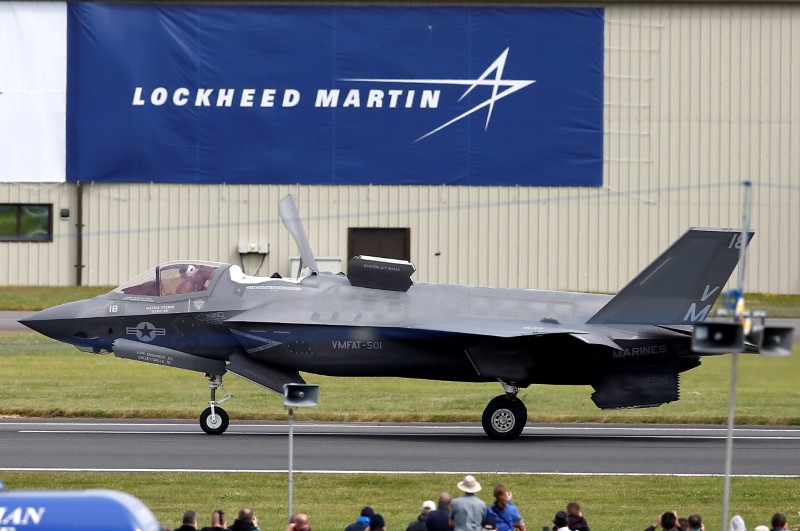
Lockheed Martin showcased its NGC2 prototype in the Balikatan 2026 exercise, demonstrating cross-domain sensor-to-shooter integration across Hawaii, the continental U.S., and the Philippines. The system linked sensors, edge nodes, and command nodes to deliver a real-time operational picture and safe-to-fire cues across multiple security levels. The update is positive for Lockheed’s defense technology narrative, but it is primarily a capability demonstration rather than a direct financial catalyst.
The real equity implication is not the demo itself, but the evidence that battlefield networking is moving from procurement concept to repeatable deployment. That shifts budget power toward integrators that can own the software layer and interoperability stack, while commoditizing standalone hardware exposure over time. For LMT, the near-term read-through is modestly positive, but the bigger second-order winner is cloud and edge-infrastructure providers that become embedded in mission-critical workflows and gain switching costs.
For NVDA, the key issue is not AI demand in the abstract; it is whether defense can become a durable, regulated, high-margin inference market. The market tends to underwrite defense AI as a one-off showcase, but the more important catalyst is whether allied command networks standardize around GPU-heavy edge compute over the next 12-24 months. If that happens, the revenue pool is smaller than hyperscale, but the pricing power and procurement stickiness could support a premium multiple; if not, the stock remains vulnerable to any narrative that defense AI is just promotional spend.
AMZN benefits indirectly if AWS becomes the default secure cloud abstraction for coalition systems, because defense workloads are sticky once certified and integrated. The hidden risk is policy friction: export controls, data-sovereignty rules, and classification barriers can slow scaling even when the technology works, creating a longer adoption curve than the market expects. That makes the move in chip stocks more likely to be overdone on a headline basis than the move in infrastructure/security software, which should see a steadier multi-quarter re-rating.
Consensus is likely missing the procurement timing mismatch: demonstrations can trigger excitement in days, but funded programs convert over quarters to years. That creates a window where the best risk/reward may be relative, not directional—own the enablers of deployment and fade the most expensive semis if the thesis is being extrapolated too quickly.
AI-powered research, real-time alerts, and portfolio analytics for institutional investors.
Request DemoOverall Sentiment
mildly positive
Sentiment Score
0.15
Ticker Sentiment
