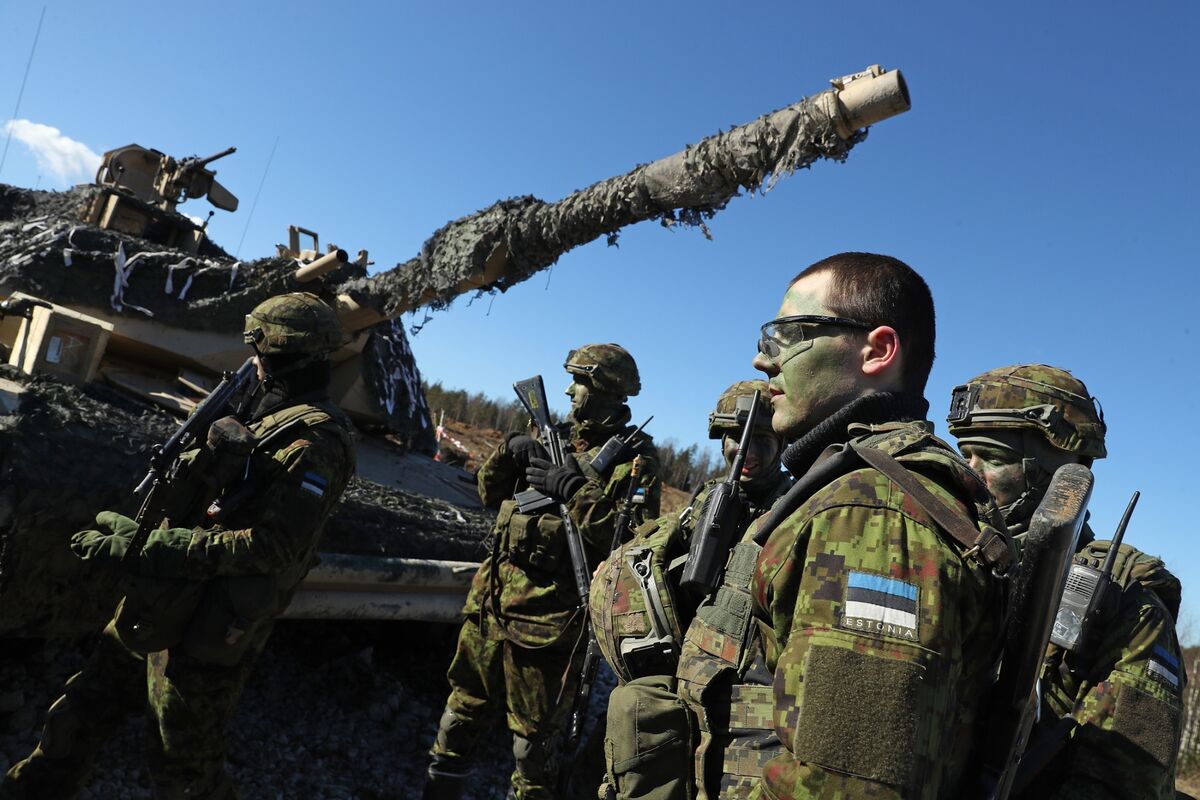
NATO's Baltic members — Estonia, Latvia, and Lithuania — have jointly urged the US Congress to maintain military financing for European nations bordering Russia, specifically the Baltic Security Initiative. The Pentagon's proposed cuts, amounting to hundreds of millions of dollars, raise concerns regarding regional defense posture and the US's strategic commitment to its Eastern European allies.
A formal request from NATO’s Baltic members—Estonia, Latvia, and Lithuania—to the US Congress highlights escalating geopolitical tensions following the Pentagon's proposed funding cuts to the Baltic Security Initiative. The plan to reduce aid by hundreds of millions of dollars for European nations bordering Russia is perceived as a potential weakening of US security commitments on NATO's eastern flank. This development introduces a significant element of uncertainty into the regional defense posture, with the appeal to Congress indicating a potential divergence between US executive branch policy and legislative intent. The situation underscores the reliance of these nations on US military financing for their security infrastructure and signals that a reduction in aid could compel them to increase their own defense expenditures or seek alternative security arrangements, thereby altering the financial and strategic landscape for the defense sector in the region.
AI-powered research, real-time alerts, and portfolio analytics for institutional investors.
Request DemoOverall Sentiment
strongly negative
Sentiment Score
-0.60
