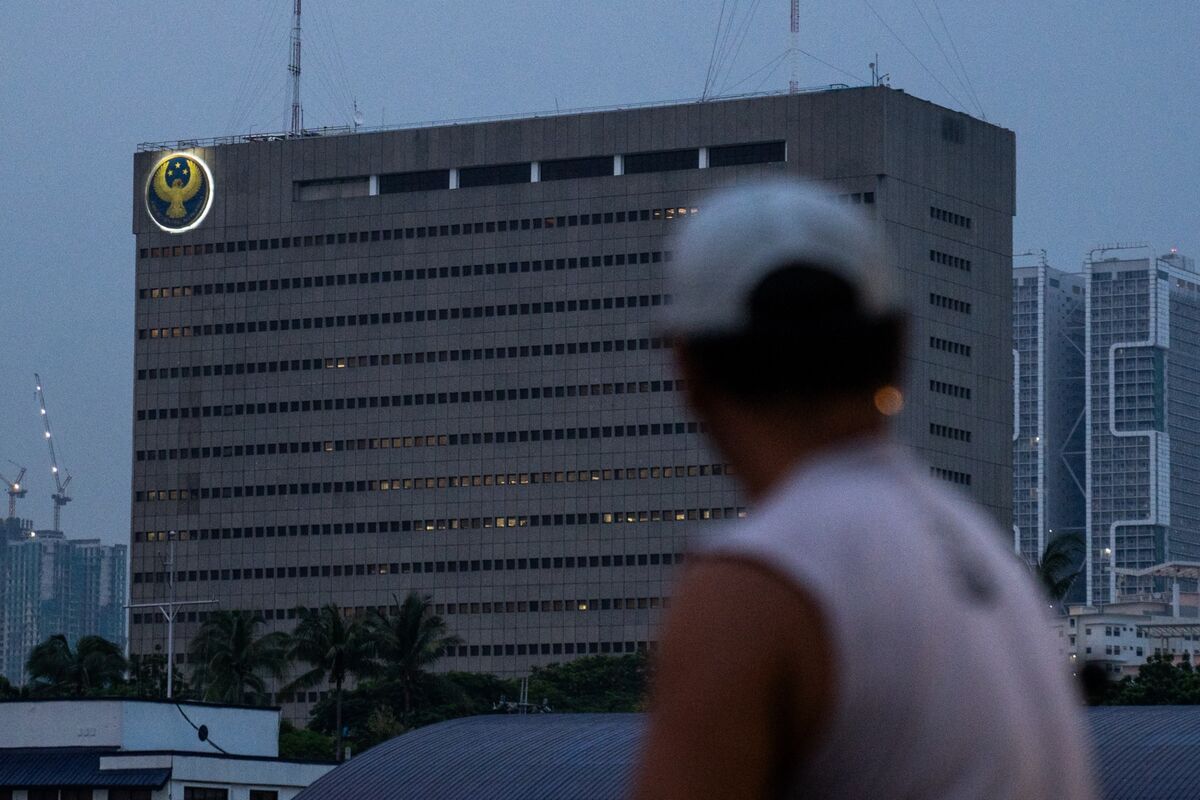
The Philippines is considering reducing its holdings of U.S. Treasuries following Moody's Investors Service's downgrade of the U.S. credit rating outlook to negative, according to Finance Secretary Benjamin Diokno. Diokno stated that while the Philippines has been reducing its exposure to mitigate risks, no final decision has been made; this potential move reflects concerns about the U.S. debt sustainability and could prompt other nations to re-evaluate their Treasury holdings.
The Philippines is contemplating a reduction in its U.S. Treasury holdings, a strategic consideration directly influenced by Moody's Investors Service's recent downgrade of the U.S. credit rating outlook to negative. Finance Secretary Benjamin Diokno articulated that while the nation has been gradually decreasing its exposure to mitigate risks, a final determination on an accelerated divestment is still pending. This potential policy shift from an emerging market nation highlights increasing international concerns regarding the sustainability of U.S. debt and could foreshadow a broader reassessment of U.S. Treasury allocations by other sovereign entities. The cautious tone surrounding this development reflects the broader market's sensitivity to changes in sovereign reserve management and U.S. fiscal perceptions.
AI-powered research, real-time alerts, and portfolio analytics for institutional investors.
Request DemoOverall Sentiment
mildly negative
Sentiment Score
-0.40
Ticker Sentiment
