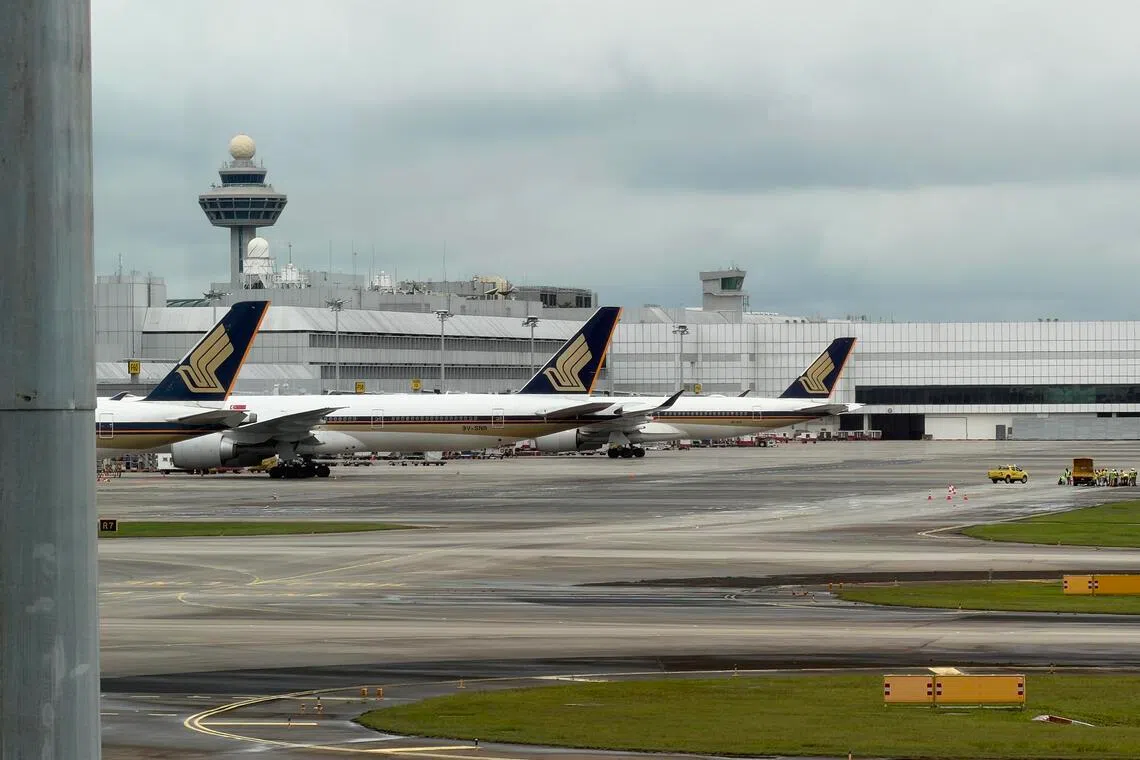
Singapore Airlines has cancelled multiple transatlantic services (notably SQ21/SQ22/SQ23/SQ24 and SQ25/SQ26) scheduled Jan 25–26 between Singapore/Frankfurt and New York (Newark and JFK) due to Winter Storm Fern, with the carrier advising customers will be reaccommodated or refunded. The disruption is part of a wider US travel impact—FlightAware reports more than 3,200 weekend US flights cancelled—and forecasters warn heavy snow (up to ~30cm in New York City) and extreme cold across the mid‑Atlantic and Northeast. The near‑term operational and customer‑service costs for SIA and related airport/ground operations may rise, though the story is primarily a weather-driven short‑term disruption rather than a structural corporate event.
Market structure: Short-term winners are integrator cargo carriers (FedEx, UPS) and ground-transport operators that can absorb stranded passengers; losers are long‑haul passenger airlines and perishable/logistics customers facing immediate capacity loss. With ~3,200 US cancellations already, transatlantic/NYC trunk capacity tightness will push rebooking premiums and cargo yields for 1–3 weeks, but pricing power is limited by low margins and competition on core routes.
Risk assessment: Tail risks include multi‑day airport closures cascading into crew/maintenance shortages (operational risk that can induce 5–15% revenue hit for affected carriers over a quarter) and concentrated litigation/insurer losses if mass claims arise. Time horizons: days = operational cashflow/volatility spikes; weeks = revenue recovery and yield rebalancing; quarters = negligible structural impact unless repeated extreme-weather pattern emerges.
Trade implications: Expect elevated implied volatility in airline equity options for 1–4 weeks and a short window where cargo integrators capture outsized margins; use short-dated option structures to trade this. Cross-asset: minor safe‑haven bid to short-term Treasuries and USD if the storm drives flight cancellations and mobility declines for several days; jet‑fuel demand will dip only marginally.
Contrarian angles: Consensus focuses on airline pain; it underestimates belly‑cargo scarcity and the outsized, short-lived profit upside to FDX/UPS (+5–12% potential over 2–6 weeks). History (major US winter storms) shows 1–3 week disruptions then normalization — avoid assuming permanent demand destruction; the mispricing window is in the 1–4 week horizon and in options skew rather than spot equity alone.
AI-powered research, real-time alerts, and portfolio analytics for institutional investors.
Request DemoOverall Sentiment
mildly negative
Sentiment Score
-0.25
