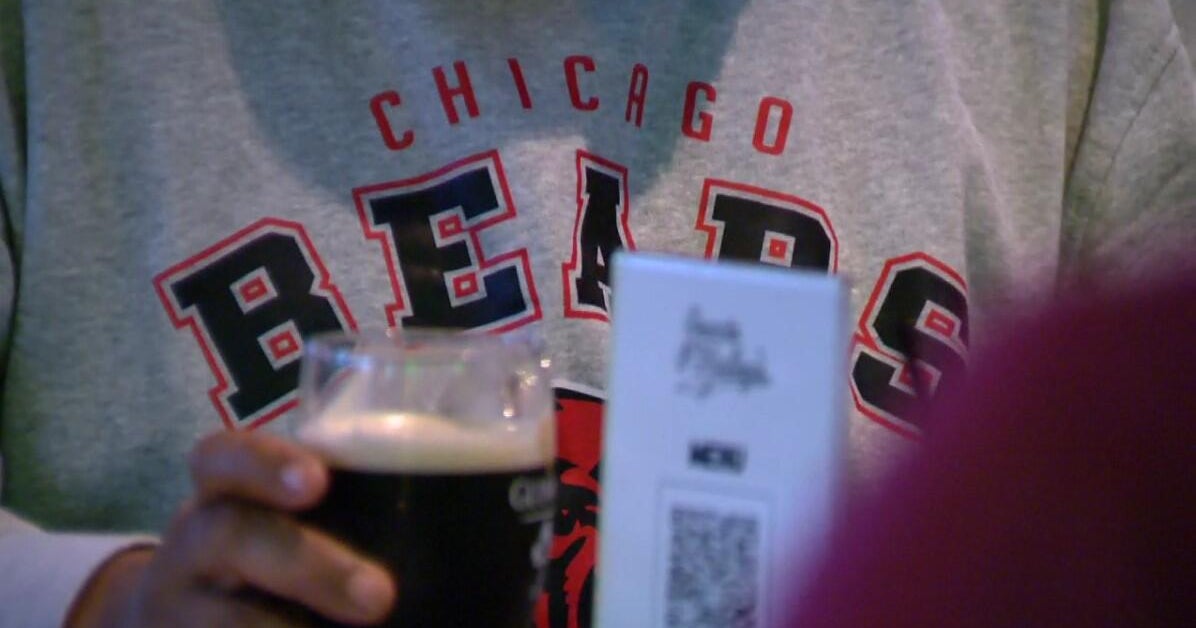
Chicago bars, restaurants, hotels and delivery services anticipate a revenue and foot-traffic boost from the Bears hosting the Packers in an NFC Wild Card game, a welcome lift during January—the sector's typically slow month. Individual venues report high demand, capacity constraints and promotional activity (e.g., Wieners Circle free-hot-dog contingencies), suggesting elevated food, drink and delivery orders for the evening; the effect is likely a short-duration local upside to hospitality and delivery receipts rather than a material market-moving event.
Market structure: Local bars, full‑service casual dining chains (Darden DRI, Brinker EAT) and alcohol producers (BUD, TAP, STZ) see immediate on‑premise revenue uplift; delivery aggregators (DASH, UBER) gain incremental order volume from at‑home viewers. I estimate a single playoff night can lift on‑premise receipts for city bars by 20–50% vs. baseline and chain weekend sales by ~1–3% monthly if the team sustains playoff runs over 2–4 weeks. Pricing power is limited short term (Promotions, no sustained menu price increases), but incremental incremental gross margin is positive due to fixed labor coverage on event nights.
Risk assessment: Tail risks include an early loss (reversal of consumer sentiment within 48 hours), severe weather/capacity limits lowering attendance >30%, or promotional giveaways (e.g., free hot dogs) compressing margins for independents. Immediate effects peak within 0–3 days, short term over weeks if the Bears advance (repeatable weekends), and negligible long term unless playoff success becomes multi‑season. Hidden dependencies: local transit, parking, and TV blackout rules can mute spend; wholesale food/beverage supplier constraints could raise input costs if volume spikes >10% sustained.
Trade implications: Tactical plays favor consumer discretionary leisure and delivery exposure for a 1–3 month horizon. Use small, event‑driven sizes (target 2–3% portfolio per idea) and disciplined exits: unwind within 48 hours of an unexpected early elimination or add incrementally (another 1%) if team wins and advances. Options: implement 30–60 day call spreads to cap premium on delivery names and casual dining operators to capture the event but limit downside.
Contrarian angles: Consensus underestimates local small‑cap hospitality upside — regional concession/specialty food vendors and craft beer distributors in Chicago could outperform given concentrated demand; conversely national chains overstate benefit if fans prefer neighborhood bars. Historical parallels (short playoff runs) show 1–4% transitory sales boosts that fade; avoid extrapolating one weekend into multi‑quarter revenue growth.
AI-powered research, real-time alerts, and portfolio analytics for institutional investors.
Request DemoOverall Sentiment
mildly positive
Sentiment Score
0.32
