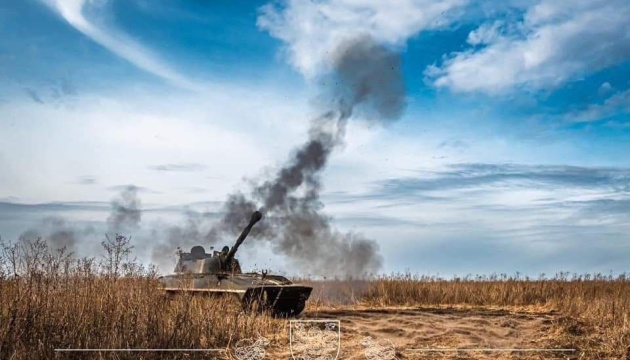
230 clashes were recorded on front lines in the past 24 hours; Russian forces conducted 63 airstrikes (dropping 213 guided aerial bombs), deployed 9,058 kamikaze drones, and carried out 3,788 shelling attacks including 104 MLRS strikes. Ukrainian forces struck four enemy concentration areas, a logistics hub and a command post, and repelled multiple Russian assault attempts across Kupiansk, Lyman, Sloviansk, Pokrovsk, Oleksandrivka, Huliaipole, Orikhiv, and the Dnipro River sector, with two assault attempts toward the Antonivskyi Bridge also repelled.
Persistent, high-intensity attritional warfare is shifting the marginal buyer of munitions and ISR assets from peacetime inventories toward accelerated procurement cycles; that creates a multi-year revenue tail for large primes and specialty electronics suppliers even if headline operations ebb. Expect procurement profiles to front-load spending on precision munitions, loitering munitions, counter-drone systems, and artillery rounds — product categories where scale and qualification barriers favor incumbents and raise barriers for fast entrants.
Collateral winners include insurers, brokers, and freight segments that capture enlarged premiums and risk surcharges; those cash flows are stickier than one-off spikes because corporate underwriting cycles lag the geopolitical shock by 6–18 months. Conversely, sectors exposed to chokepoint logistics (bulk grain, fertilizer, and lower-margin commodity exporters) will see volatile price realization and working-capital strain as carriers reroute and war-risk surcharges rise.
The main tail risk is a fast diplomatic settlement or sudden battlefield breakthrough that collapses demand for Western replenishment within 30–90 days, compressing the forward order book and leaving primes carrying near-term fulfillment risk. The contrarian angle: the market is pricing a perpetual spending treadmill; if Western budgets reallocate to sustainment vs ramping new buys, component suppliers (sensors, RF, power management) will outperform large primes that rely on multi-year defense platform cycles.
AI-powered research, real-time alerts, and portfolio analytics for institutional investors.
Request DemoOverall Sentiment
strongly negative
Sentiment Score
-0.65
