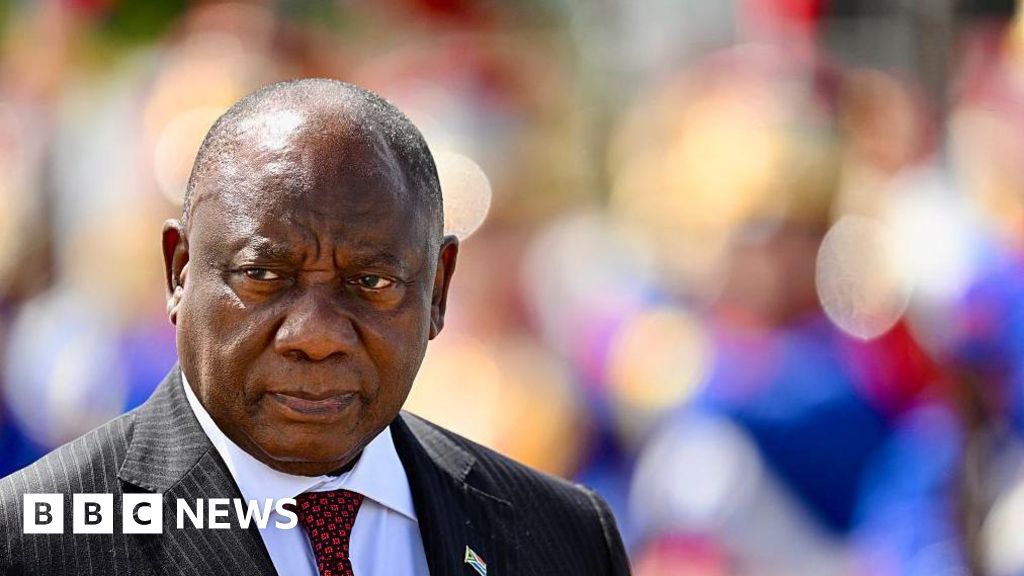
South African President Cyril Ramaphosa said he will not resign and will legally challenge a report that could trigger impeachment proceedings over the Phala Phala scandal. The Constitutional Court ruled parliament acted unconstitutionally in 2022 by blocking an impeachment inquiry, and the matter may now be revisited in parliament. The case adds reputational and political risk for Ramaphosa, though analysts say he is likely to survive any parliamentary vote.
The market implication is less about immediate policy shift and more about the lengthening of South Africa’s political overhang. Even if the president survives a vote, the legal process keeps governance noise elevated into a multi-month window, which tends to widen the discount on South African risk assets through higher required returns rather than a clean one-day repricing.
The second-order effect is on coalition durability and policy bandwidth. A leader forced to spend political capital on legal defense is less able to push through fiscal discipline, SOE reform, or investment-friendly messaging, which matters more for banks, retailers, and domestically exposed cyclicals than for exporters earning offshore revenues. The real loser is not the presidency per se, but the credibility of the broader reform narrative that foreign investors use to justify holding rand assets through weak growth.
Near term, the key catalyst is procedural: whether the impeachment process becomes a fast parliamentary theater or a slow legal grind. A quick dismissal would likely be relief-positive for the rand and local banks; a prolonged hearing risks drip-drip headline risk, higher implied volatility, and episodic outflows. The tail risk is that the episode interacts with existing growth fragility and fiscal stress, pushing sovereign spreads wider even without a change in leadership.
Consensus may be underestimating how little needs to happen for positioning to shift. This does not require regime change to hurt risk appetite; it only needs enough uncertainty to keep offshore investors underweight and force local real money to prefer hard-currency or export-hedged exposure. In that sense, the setup is more bearish for domestic beta than for the country as a whole, and the trade is largely about relative performance rather than outright collapse.
AI-powered research, real-time alerts, and portfolio analytics for institutional investors.
Request DemoOverall Sentiment
mildly negative
Sentiment Score
-0.25
