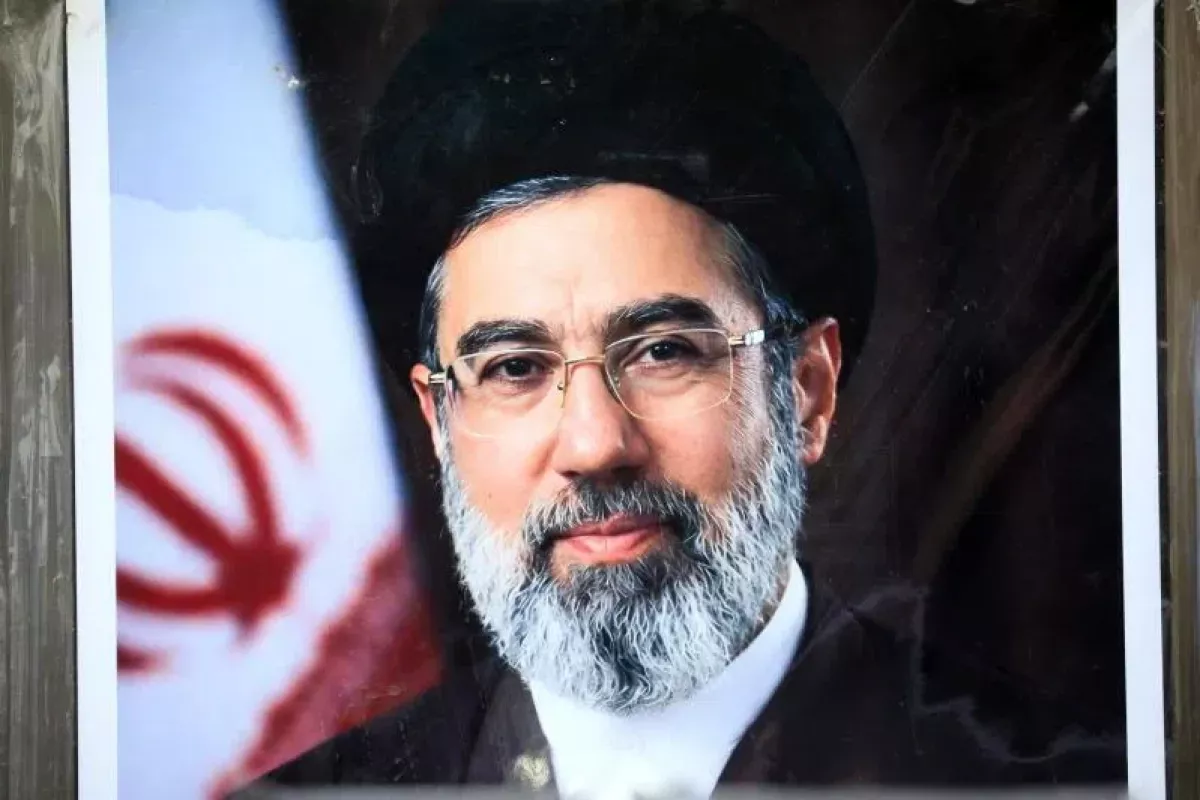
Iraq dispatched its first public humanitarian aid convoy to Iran following an appeal from Iran’s Supreme Leader Mojtaba Khamenei; the convoy left from the Holy Husseiniya (Al-Ataba al-Husseiniya). Khamenei thanked Iraq’s highest religious authority and the Iraqi people after that authority publicly denounced alleged aggression and called for global solidarity with Iran and Lebanon. Direct market impact is minimal, but the move signals closer Iraq–Iran religious and political ties that could modestly influence regional risk sentiment.
The political signal from Baghdad increases Iran’s margin for maneuver without immediately triggering a conventional interstate war; expect a rise in asymmetric and proxy operations rather than full-scale mobilization. Over the next 1–6 months that pattern tends to lift short-term oil and shipping risk premia (insurance costs, time-charter spikes) even if physical supply disruptions remain limited; market moves will be driven more by perceived escalation probability than by actual tonnage lost.
Second-order beneficiaries are those that capture episodic risk premia: energy producers with optionality on spare capacity and insurers/ETFs tracking oil volatility, while balance-sheet-sensitive EM borrowers are potential losers as cross-border funding lines and correspondent banking frictions tighten. For corporates, supply-chain channels most exposed are tanker freight and petrochemical feedstocks — expect 5–15% cost swings in spot freight and feedstock margins during headline-driven episodes.
Tail risks sit to the upside for commodity and insurance spreads over a 3–12 month horizon if proxy strikes widen or maritime chokepoints see harassment; conversely, a dovish de-escalation (back-channel diplomacy) could erase most of the premium within weeks. Key catalysts to monitor: insurance rate filings (e.g., P&I clubs), tanker routing changes, and FX moves in regional currencies — these will lead price moves before headline geopolitics.
The consensus is likely to over-weight symbolic political alignment as a binary escalation signal. The underappreciated channel is financial plumbing: even modest re-risking of correspondent banking and trade finance flows can amplify credit spreads for frontier and lower-rated EMs without any change in on-the-ground combat intensity — a multi-week pain trade for EM credit and equities that the market often underestimates.
AI-powered research, real-time alerts, and portfolio analytics for institutional investors.
Request DemoOverall Sentiment
neutral
Sentiment Score
0.00
