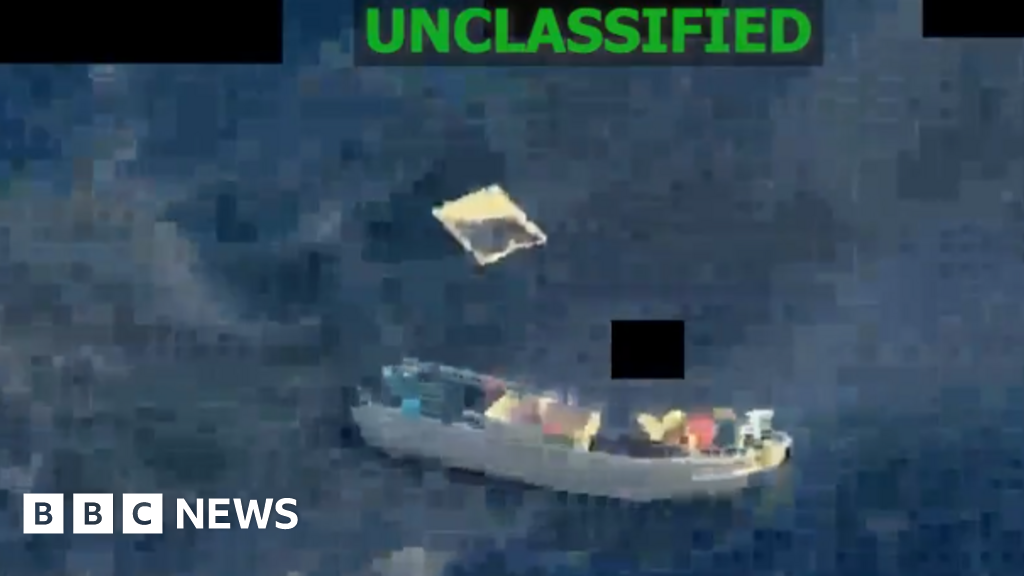
US Southern Command reports a strike on two vessels alleged to be carrying drugs killed five people, part of a three-month campaign in which more than 30 strikes have killed over 110 people since 2 September. The operations, framed by the Trump administration as a non-international armed conflict, face scrutiny from lawmakers and legal experts—especially over a reported “double-tap” strike and the absence of publicly disclosed evidence the vessels carried narcotics—creating legal, reputational and policy risks rather than immediate market-moving effects.
Market structure: Tactical military strikes against alleged narco-vessels create small but measurable demand for ISR, unmanned maritime systems and surveillance services, benefiting primes with naval ISR exposure (Northrop/NOC, L3Harris/LHX, RTX). Marine insurers and cruise/shipping operators (CCL/RCL, ZIM) stand to lose from higher incident risk and potential route disruptions; pricing power for insurers could rise if claims or perceived risk materialize, but absolute market volumes affected are low relative to global trade.
Risk assessment: Tail risks include an international incident (escalation with regional navies) or a US Congressional/legal clampdown that could reduce missions — assign 5–15% probability over 6–12 months for materially changed ROE/authorization that impacts contractor revenues. In the immediate term (days) expect modest risk-off: small bid in US Treasuries/gold; short-term political volatility (weeks–months) could drive hearings and reputational risk to contractors; long-term (quarters) impact on defense budgets is uncertain but likely limited absent broader policy shifts.
Trade implications: Direct tactical plays favor small, duration-limited exposure to defense primes and safe-haven assets: ISR/defense equities should outperform leisure/cruise names in a risk-off/legal-scrutiny environment. Options can efficiently express views: buy 3–6 month call spreads on NOC/RTX to cap capital at known premium. Conversely, tactical short or put exposure to Caribbean-exposed cruise names (CCL/RCL) for 1–3 months if travel advisories expand.
Contrarian angle: The market may overstate legal/political fallout and oversell diversified defense contractors — they have large, multi-year backlogs and non-counter-narcotics revenue streams (space, air, cyber). If hearings remain rhetorical (probability >70%), defense equities could rebound 10–20% from knee-jerk dips; second-order risk is reputational/contract delay rather than demand destruction, so size positions accordingly.
AI-powered research, real-time alerts, and portfolio analytics for institutional investors.
Request DemoOverall Sentiment
moderately negative
Sentiment Score
-0.45
