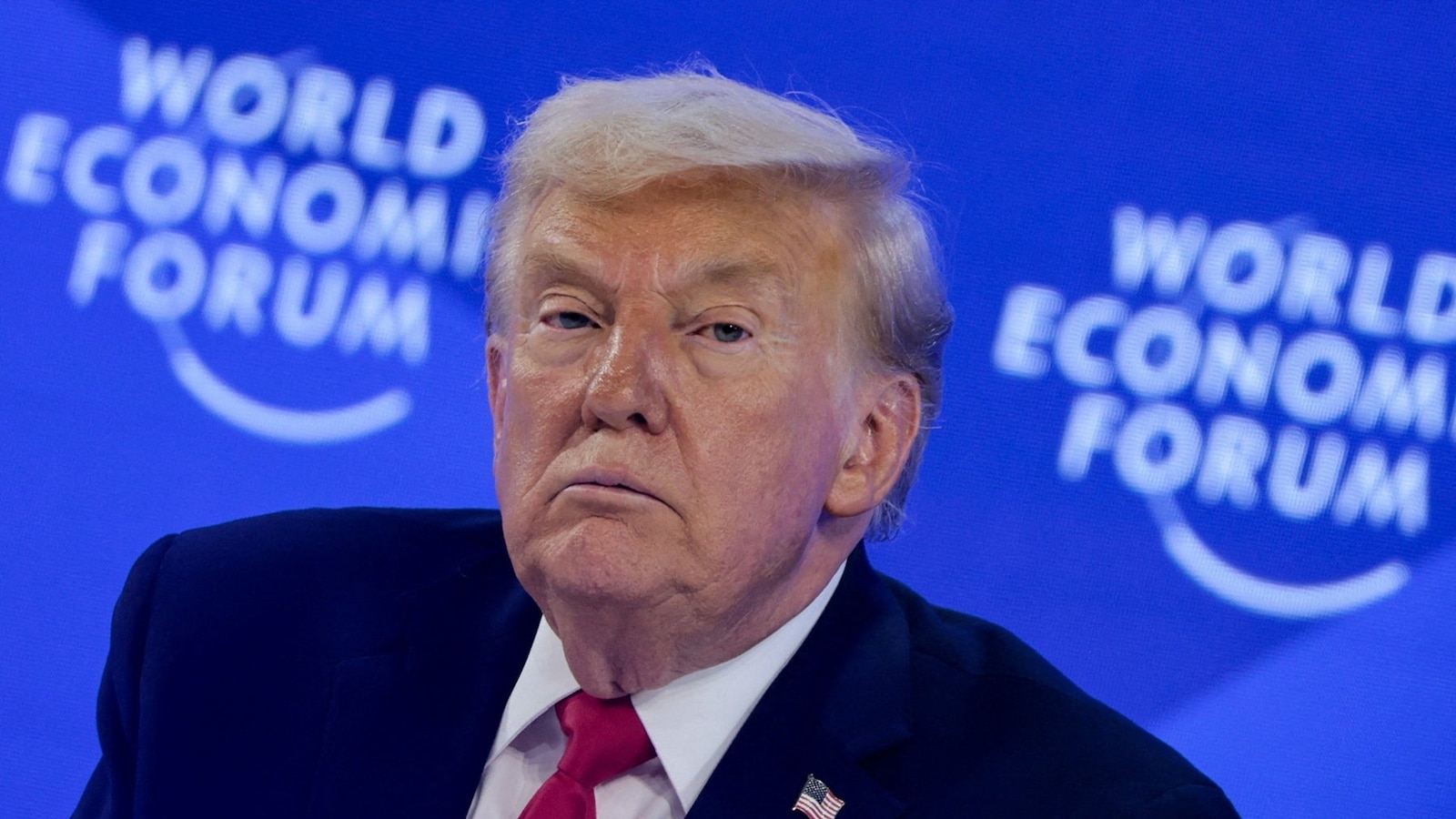
President Trump plans a signing ceremony in Davos for a new U.S.-led 'Board of Peace' after inviting more than 50 leaders and securing acceptances from roughly 20–30 countries; major European allies have so far been noncommittal or declined. The board's draft charter frames it as a broad international peacebuilding body with three-year membership terms, permanent membership for states contributing over $1 billion cash in the first year, and a chairmanship that Trump could hold indefinitely; an executive committee reportedly includes Tony Blair, Mark Carney and Marco Rubio. The initiative has raised diplomatic pushback and questions about rivaling the U.N., and notable details (membership list, funding mechanics) remain unclear, creating geopolitical uncertainty but limited direct near-term market impact.
Market structure: This initiative redistributes geopolitical influence away from multilateral institutions toward bilateral/multilateral coalitions led by the U.S., creating winners in defense, reconstruction and private security contractors and losers among U.N.-centric NGOs and multilateral aid channels. Expect pricing power to shift to large contractors (higher contract win rates, potential 3–5% revenue re-rating over 2–4 years) and to domestic banks that process large transfers, while European diplomatic firms and some NGOs face funding displacement.
Risk assessment: Tail risks include legal battles over use of frozen assets (litigation/seizure risk), sanctions countermeasures, and reputational spillovers that could trigger bank counterparty limits; low-probability but high-impact events could move spreads by 150–300bps. Immediate (days): headline-driven volatility; short-term (weeks–months): FX/sovereign spread moves and safe-haven flows; long-term (quarters–years): structural shifts in defense budgets and bilateral aid channels. Key catalysts: Davos signings (this Thursday), G7 communiqué within 7–14 days, and any legislative or court rulings on frozen assets.
Trade implications: Near-term trades should hedge headline risk (gold/TLT) and position for higher defense spend (prime contractors) while reducing EM sovereign duration exposure. Options can efficiently express views: buy GLD calls for a 1–3 month hedge and EMB puts for sovereign spread widening. Monitor funding thresholds (>$1bn contributions) as liquidity events that could move bank/FX flows.
Contrarian angles: Markets underappreciate the concentrated funding mechanism ($1bn permanence threshold) which amplifies influence of a handful of states — this favors large-cap defense and global banks that win custodial mandates, not small-cap security firms. The typical safe-haven USD move could be muted if major contributors use non-USD instruments or frozen-asset conversions; mispricing likely in EMB and selected European banks that equally face legal/reputational risk but are not yet re-rated.
AI-powered research, real-time alerts, and portfolio analytics for institutional investors.
Request DemoOverall Sentiment
neutral
Sentiment Score
0.00
