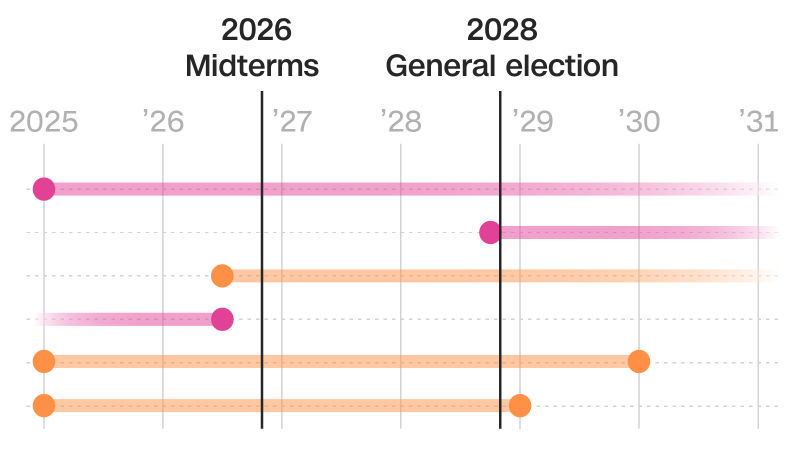
President Trump signed a landmark tax and spending cuts bill into law on July 4, marking his first major legislative achievement of the second term. The comprehensive package makes the 2017 tax cuts permanent, boosts funding for defense and border security, and enacts significant cuts to the nation's safety net, specifically Medicaid and food stamps. While some provisions, like the expiration of the electric vehicles tax credit and temporary elimination of taxes on tips and overtime, take immediate effect, many key changes, including new work requirements for social programs and Medicaid eligibility limits, are phased in over several years, impacting federal spending and social programs well into the next decade.
President Trump has signed into law a significant fiscal package that establishes long-term policy shifts with staggered implementation. The legislation makes the 2017 tax cuts permanent, a move that provides tax certainty but, when coupled with increased spending on defense and border control, raises concerns about the federal deficit, as noted by some congressional members. For specific sectors, the impact is direct: the expiration of the electric vehicle tax credit represents a material headwind for the EV industry by increasing the net cost to consumers. Conversely, the temporary elimination of taxes on tips and overtime could provide a short-term boost to disposable income and consumer spending. The healthcare sector faces substantial disruption from steep cuts to Medicaid and the future implementation of new work and eligibility requirements, which will likely pressure revenues for providers and managed care organizations with high Medicaid exposure. The phased timeline, with key provisions delayed until after the 2026 midterms and leading into the 2028 election, introduces significant policy uncertainty, making the durability of these changes dependent on future political outcomes.
AI-powered research, real-time alerts, and portfolio analytics for institutional investors.
Overall Sentiment
mildly negative
Sentiment Score
-0.25
