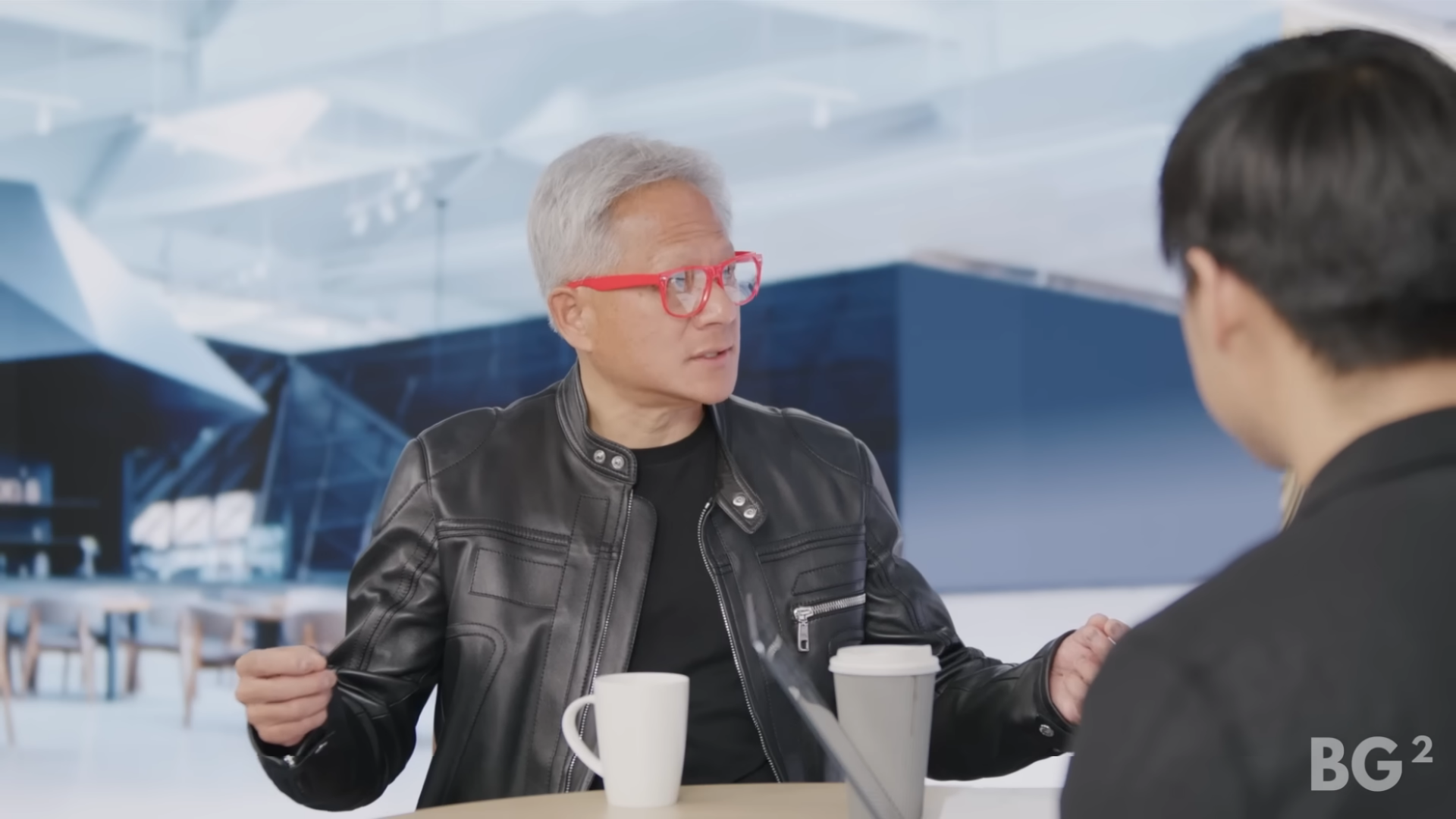
Nvidia CEO Jensen Huang is advocating for reduced U.S. export restrictions on AI chips to China, arguing that China is rapidly advancing its chipmaking capabilities and that maintaining market access benefits American interests. Nvidia is actively working to retain its presence by shipping compliant H20 GPUs and developing successors, as China accelerates its domestic AI chip development, with Huawei shipping advanced Ascend 910B systems and major hyperscalers investing heavily in homegrown silicon. This dynamic creates significant pressure on Nvidia's historical market dominance in China and underscores China's drive for technological self-sufficiency.
Nvidia's CEO Jensen Huang is publicly advocating against US export restrictions on AI chips, framing China as being only "nanoseconds behind" in chipmaking to underscore the competitive urgency. This position highlights a critical strategic conflict for Nvidia: while it develops compliant, lower-performance chips like the H20 GPU to maintain a foothold in the Chinese market, it simultaneously risks losing its once-dominant 95% market share to a rapidly advancing domestic ecosystem. The threat is tangible, with Huawei now shipping its Ascend 910B-powered systems in volume and major Chinese hyperscalers including Baidu, Alibaba, and Tencent investing in their own custom silicon and adapting infrastructure to support it. This concerted push for self-sufficiency in China, creating a CUDA-free software and hardware stack, represents a significant long-term structural risk to Nvidia's revenue and market leadership in the region. The mildly negative sentiment (-0.2) surrounding Nvidia reflects this uncertainty, as the company is caught between US policy and the emergence of formidable, state-supported competitors.
AI-powered research, real-time alerts, and portfolio analytics for institutional investors.
Overall Sentiment
mildly negative
Sentiment Score
-0.20
Ticker Sentiment
