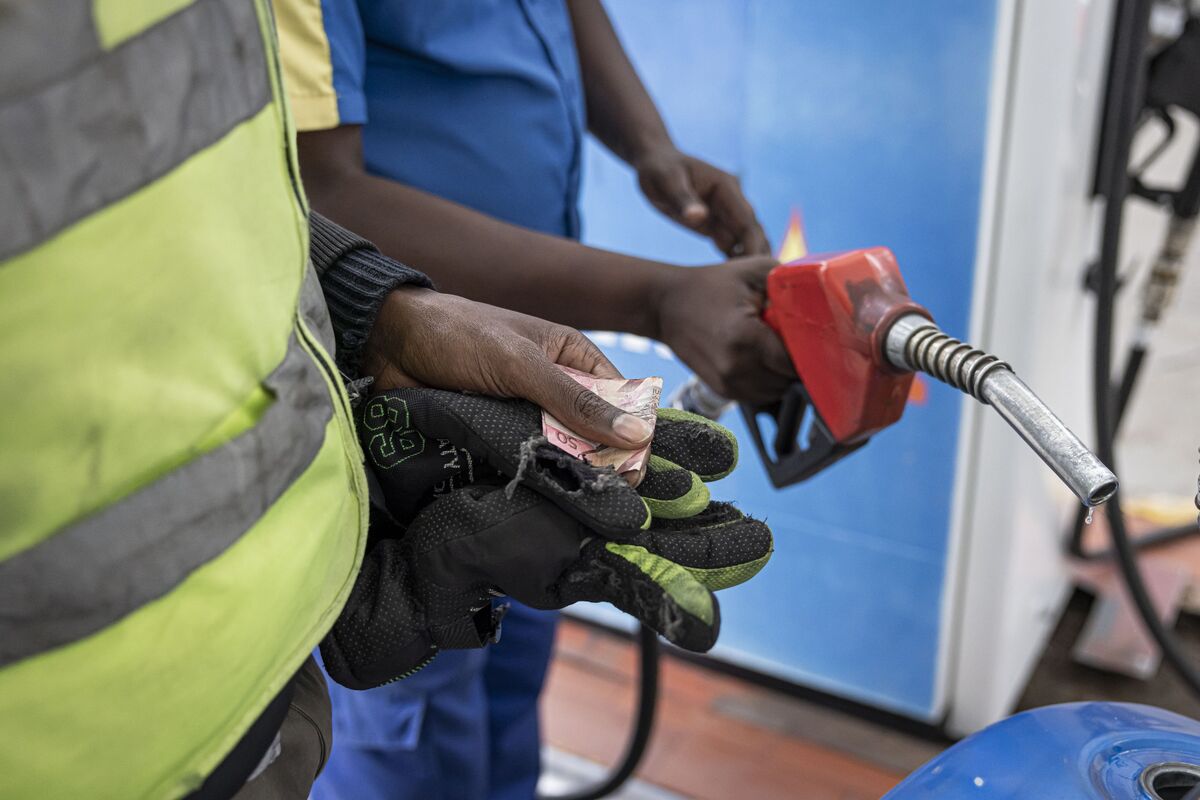
Temporary fuel outages hit some Vivo Energy retail stations in Kenya amid increased demand; the government announced plans to stabilize petrol and diesel prices. Treasury Secretary John Mbadi outlined initial measures to prevent price surges — measures that should limit near-term retail volatility but may strain import logistics given Kenya's reliance on Middle East refined product supplies.
A government-dominant price stabilization in a small, import-dependent fuel market is effectively a short-term transfer from the sovereign balance sheet to domestic consumers and retailers; expect immediate margin compression for importers and softened wholesale-to-retail spreads. If the state uses duty relief or direct subsidies, Kenya’s FX reserves and fiscal impulse can deteriorate within one quarter, raising rollover risk on short-dated FX debt and increasing the probability of external financing requests within 3–6 months.
Operationally, localized station outages are an early-warning on distribution resilience rather than crude availability: shorter-term cargo re-routing and increased trucking cycle times (add 3–7 days on average) push up cost-to-serve and create inventory-implied demand spikes that can cascade to neighboring corridors. That raises near-term spot demand for small-lot bunker and product shipments — a structural niche opportunity for traders with quick-vessel access while pressuring larger refiners that rely on scheduled offtake contracts.
Catalysts that will resolve or reverse the squeeze are clear: rapid external financing (IMF/World Bank), a market-pricing policy pivot, or swift seasonal demand cooling. Conversely, a prolonged policy of price suppression combined with repeated logistical shocks would materially raise sovereign funding costs and tilt private sector credit stress higher over 6–12 months, while incentivizing arbitrage flows across borders and informal markets.
AI-powered research, real-time alerts, and portfolio analytics for institutional investors.
Overall Sentiment
neutral
Sentiment Score
0.00
