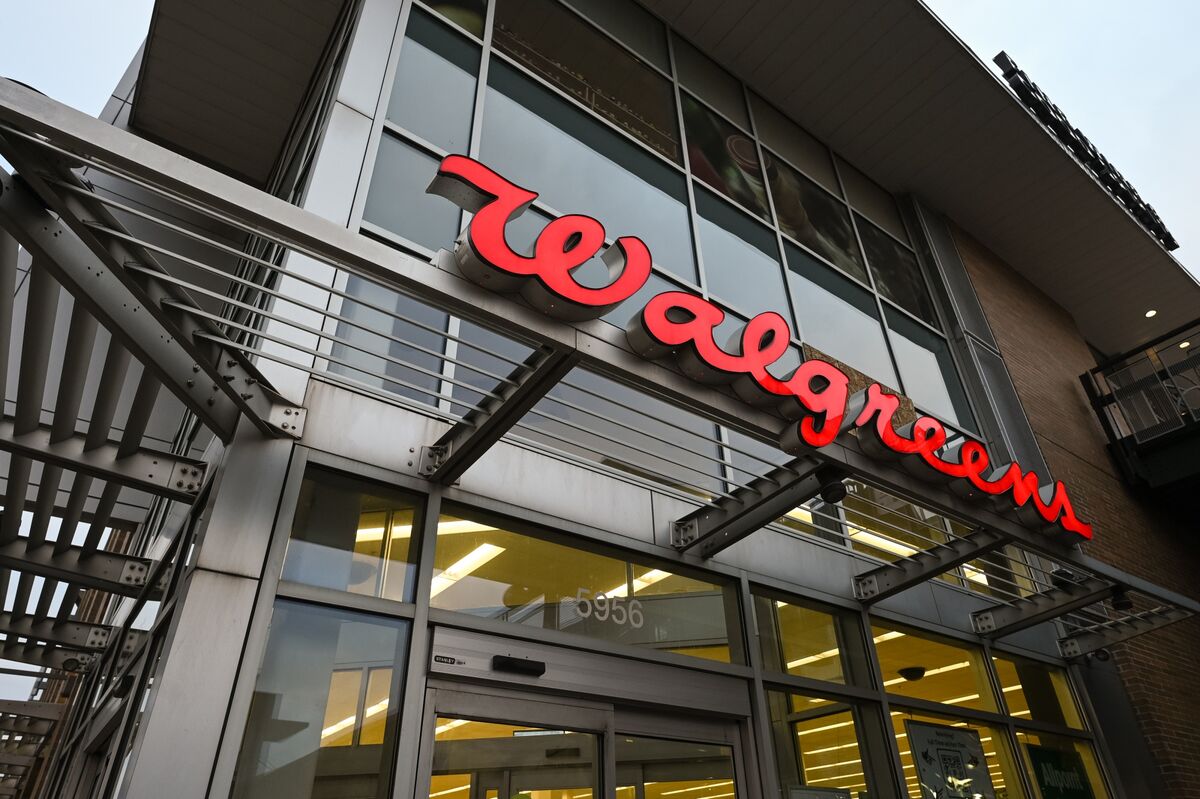
Sycamore Partners, which acquired Walgreens in a roughly $10 billion deal, aims to grow the chain’s EBITDA to $4.0 billion from about $2.0 billion in 2024 — a ~100% increase — over the next several years. The target implies significant operational/strategic changes and could materially boost Walgreens’ profitability and valuation, representing a company- and sector-level development likely to move equity prices.
The buyer’s playbook will almost certainly tilt toward operational levers that reallocate cash flow rather than top-line growth: aggressive SKU rationalization, tighter inventory turns, and faster store rationalization cycles. That implies a near-term supplier shock — distributors and branded OTC suppliers face compressed realized pricing and lumpier order patterns over 6–18 months as purchasing windows shift and working capital demands change. Smaller, margin-thin landlords and franchisees that rely on stable rental cash flows from national drugstore footprints are second-order exposure; expect localized vacancy spikes and higher tenant-replacement costs in 12–36 months if the program is executed at scale.
Key downside catalysts are regulatory and reimbursement shocks that could materially impair the margin-improvement plan: Medicaid/Medicare reimbursement adjustments, state-level scrutiny of a large healthcare operator’s pricing moves, or unionized labor actions that raise operating costs — any of which could reverse expected free-cash-flow gains within quarters to a year. Financing risk is non-trivial: a leveraged recapitalization works while rates are stable, but refinancing windows at higher yields or covenant breaches would force either asset sales or deeper store closures, accelerating value destruction. Watch near-term KPIs — same-store Rx fills, gross margin per script, and working-capital days — as three high-frequency indicators of execution success or failure.
The consensus framing is “cost cuts = value unlocked,” but that misses two structurally positive optionalities: 1) a carve-up and sale-leaseback program could create immediate liquidity events that benefit REIT buyers and specialty capital, and 2) targeted capex into omnichannel pharmacy fulfillment could raise long-term share if the buyer out-executes incumbents on last-mile costs. Both outcomes create asymmetric outcomes for different counterparties — some public names will be buoyed by a durable competitive advantage while others will be structurally impaired if execution falters. Time horizon for material market moves is 3–24 months depending on pace of store actions and debt refinancing milestones.
AI-powered research, real-time alerts, and portfolio analytics for institutional investors.
Request DemoOverall Sentiment
moderately positive
Sentiment Score
0.35
