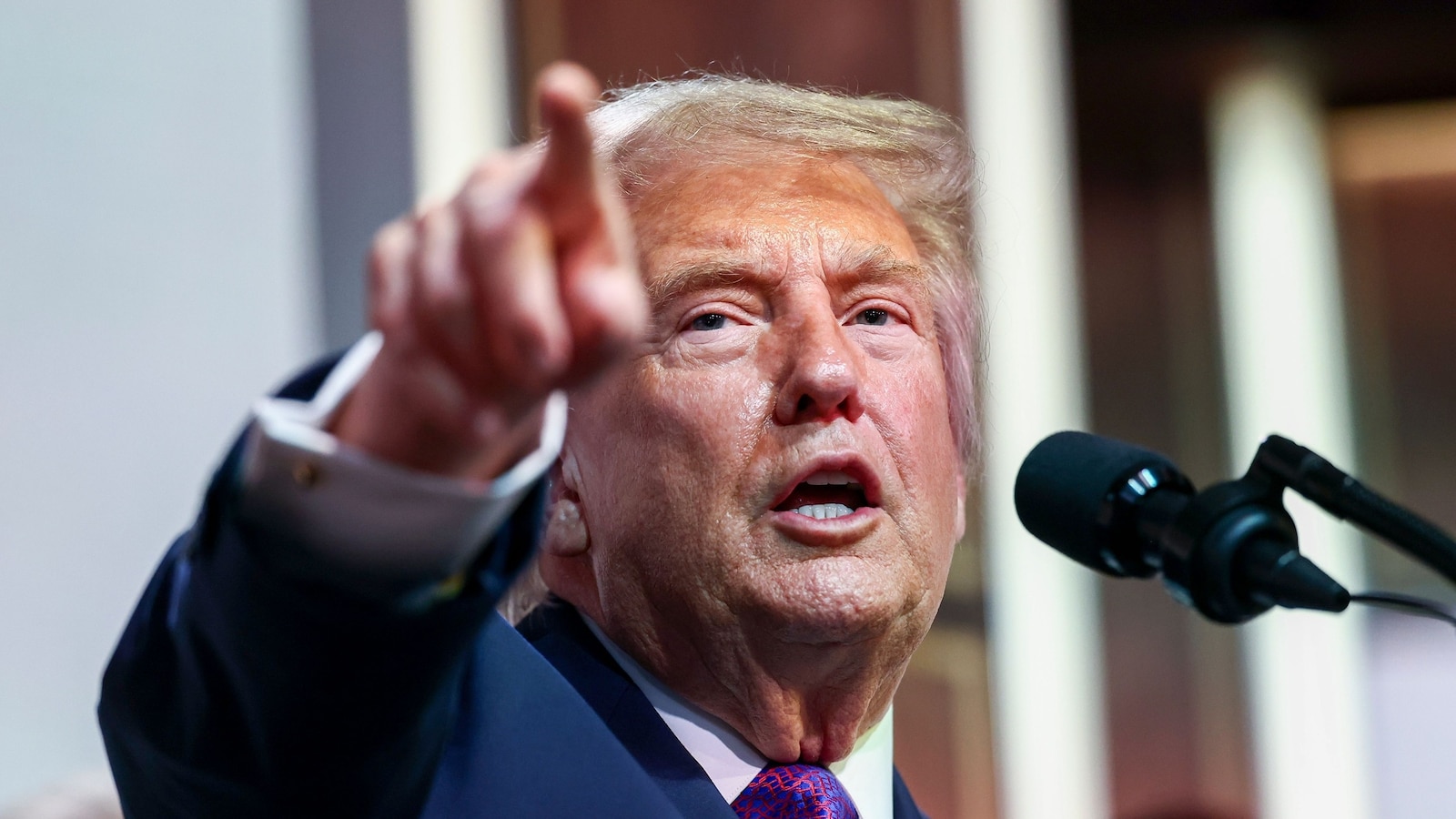
Trump’s repeated, unenforced Iran attack deadlines and shifting ceasefire threats keep the conflict unresolved, with the latest delay pushed back again at the request of Gulf allies. The Strait of Hormuz closure has already lifted fuel costs and driven inflation to a three-year high, with roughly 20% of global oil flows exposed. The article signals elevated geopolitical and energy-market risk, with potential for a broad market shock if attacks resume.
The market should treat this less as a one-off headline risk and more as a persistent volatility regime in energy and inflation. Repeatedly deferred military action creates a staircase pattern of downside protection for crude: each postponement compresses near-term supply risk, but also keeps a non-zero tail event alive, which is exactly the setup that supports higher implied volatility and a steeper front-end curve. The immediate winner is not just oil producers; it is any asset whose earnings are levered to sustained fuel prices and shipping bottlenecks, while transport, chemicals, airlines, and consumer discretionary face a tax with lagged margin compression. Second-order effects are likely to show up first in credit and rates, not just equities. Persistent fuel inflation can keep breakeven inflation elevated even if growth softens, creating a stagflationary mix that is usually toxic for long-duration equities and particularly for rate-sensitive cyclicals with thin margins. Meanwhile, supply-chain rerouting through alternative routes raises working capital needs and transit times, which can pressure inventories and order conversion for import-heavy retailers and industrials over the next 1-2 quarters. The key contrarian point is that the market may be underpricing policy backstop risk. If inflation keeps rising and households feel the pain quickly, political pressure to de-escalate will intensify, making the tail event less likely than headline rhetoric suggests; however, that same dynamic can produce abrupt, risk-on spikes in beaten-down transport and consumer names when any credible deal emerges. In practice, this argues for owning convexity rather than chasing direction: the base case is elevated volatility with intermittent crude spikes, but the real tradable event is a sudden regime shift if diplomacy turns durable.
AI-powered research, real-time alerts, and portfolio analytics for institutional investors.
Overall Sentiment
strongly negative
Sentiment Score
-0.72
