Right-wing populist parties are gaining significant political ground across Europe, topping polls in major economies like France, Germany, and the UK, by promising increased welfare benefits for national citizens. This electoral success is linked to decades of welfare restructuring that has shifted towards punitive, conditional "workfare" models, fostering public resentment and creating fertile ground for populist narratives. For institutional investors, this trend indicates potential shifts in European fiscal policy and social spending priorities, with a critical caveat that these parties, despite campaign pledges, often cut social services once in power, posing risks to social stability and economic outlooks.
Right-wing populist parties are gaining significant electoral traction across Europe, topping polls in major economies like France, Germany, and the UK, by campaigning on a platform of increased welfare benefits exclusively for national citizens. This strategy, termed "welfare chauvinism," capitalizes on public discontent stemming from decades of welfare restructuring that has shifted towards punitive "workfare" models. This approach makes benefits conditional on work-related activities and employs sanctions, fostering a perception of the state as a hostile entity rather than a guarantor of rights.
The implementation of "workfare" policies, such as France's 15-hour job-related activity requirement for minimum income recipients and Germany's conditional citizen's income, has created a system where benefits are often withheld for non-compliance. Digitalization further exacerbates this by employing algorithms for fraud detection, which have disproportionately targeted vulnerable groups like single parents and immigrants, fueling resentment and a narrative that the system protects "outsiders."
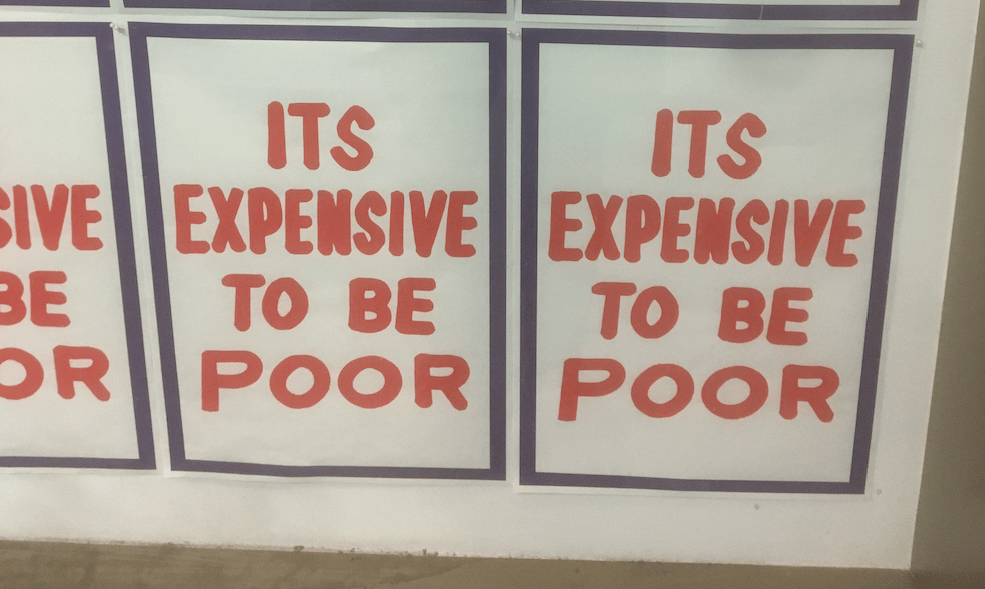
This punitive welfare environment inadvertently strengthens populist narratives by portraying poverty as an individual failure and treating recipients as "suspects," thereby creating fertile ground for their anti-establishment rhetoric. While these parties promise increased social spending, historical patterns suggest that once in power, they often implement cuts to social services, potentially deepening poverty and exclusion. The current mainstream political strategy of doubling down on punitive welfare is seen as counterproductive, further boosting the radical right.
AI-powered research, real-time alerts, and portfolio analytics for institutional investors.
Request DemoOverall Sentiment
strongly negative
Sentiment Score
-0.70
