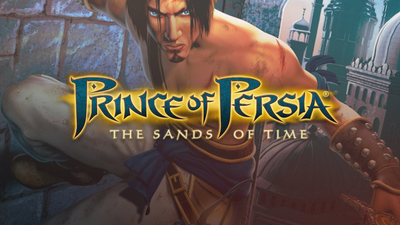
Ubisoft announced a major operational reset that includes cancelling six games — notably the Prince of Persia: The Sands of Time remake — closing two studios and delaying seven titles, prompting a 33% one-day drop in its share price. CEO Yves Guillemot framed the moves as necessary to create a more focused and sustainable organization, while commentary has singled out workforce strategy and alleged reliance on India-based teams (reported ~1,000–1,300 in Pune/Mumbai) as part of the backdrop. The decisions materially impair the company’s near-term product pipeline and have triggered investor and reputational risk that could pressure guidance and require further restructuring or cost actions.
Market structure: Ubisoft (UBI.PA) is the clear loser — immediate market-share and sentiment loss in premium single‑title remakes; winners are large live‑service publishers (ATVI, TTWO, EA) and tooling/service vendors (Unity U, Keywords Studios KWS.L) that pick up outsourced demand. Pricing power shifts modestly toward recurring‑revenue franchises; expect ~10–30% relative re‑rating of pure live‑service revenue multiple vs. premium single‑release developers over 6–12 months. Equity volatility will spike; credit spreads/CDS on vulnerable mid‑cap publishers should widen 100–300bp in stressed cases, pressuring bond prices and EMN FX if pan‑regional outsourcing is politicized.
Risk assessment: Tail risks include major IP impairment charges (one‑time writeoffs >€200–400m), class‑action litigation, or regulatory scrutiny of cross‑border hiring that could force rehiring/relocation — low probability but >1% annualized and would double downside. Near term (days–weeks) expect earnings/guide downgrades and elevated implied volatility; medium (3–12 months) reputational/hiring headwinds; long term (≥12 months) business model reset could restore margins if new slate succeeds. Hidden dependencies: pipeline cadence disproportionately tied to India studios; talent flight or unionization could lengthen development cycles by 6–12 months and raise opex margins.
Trade implications: Direct: establish a tactical short in UBI.PA (2–3% net portfolio) or buy 6‑month ATM puts (10–15% OTM put spread) to capture further downside/volatility; target an additional 20–40% equity decline or profit at IV mean reversion. Relative: pair long ATVI (2%) or TTWO (1.5%) vs short UBI.PA (1.5%) — live‑service secular resilience should outperform over 6–12 months. Options: buy 3–6 month UBI straddle/put spread if IV >50%; sell OTM calls on long winners to finance insurance. Rotate sector exposure into large‑cap publishers and tooling/services, reduce mid‑cap dev exposure by 30% within 2 weeks.
Contrarian angles: Consensus ignores that cancellations cut near‑term capex and could raise 2026 free cash flow by a material amount (estimate €150–300m) if slate is narrowed, creating a buyable trough for disciplined acquirers; a 40% fall could trigger strategic M&A interest from deep‑pocketed publishers or PE within 12–18 months. Reaction may be overdone if pipeline quality improves and costs normalize — watch operating cash flow and R&D run‑rate over next two quarters. Key unintended risk: aggressive cost cuts can permanently erode creative capacity, turning a temporary reserve boost into multi‑year revenue loss.
AI-powered research, real-time alerts, and portfolio analytics for institutional investors.
Request DemoOverall Sentiment
strongly negative
Sentiment Score
-0.70
