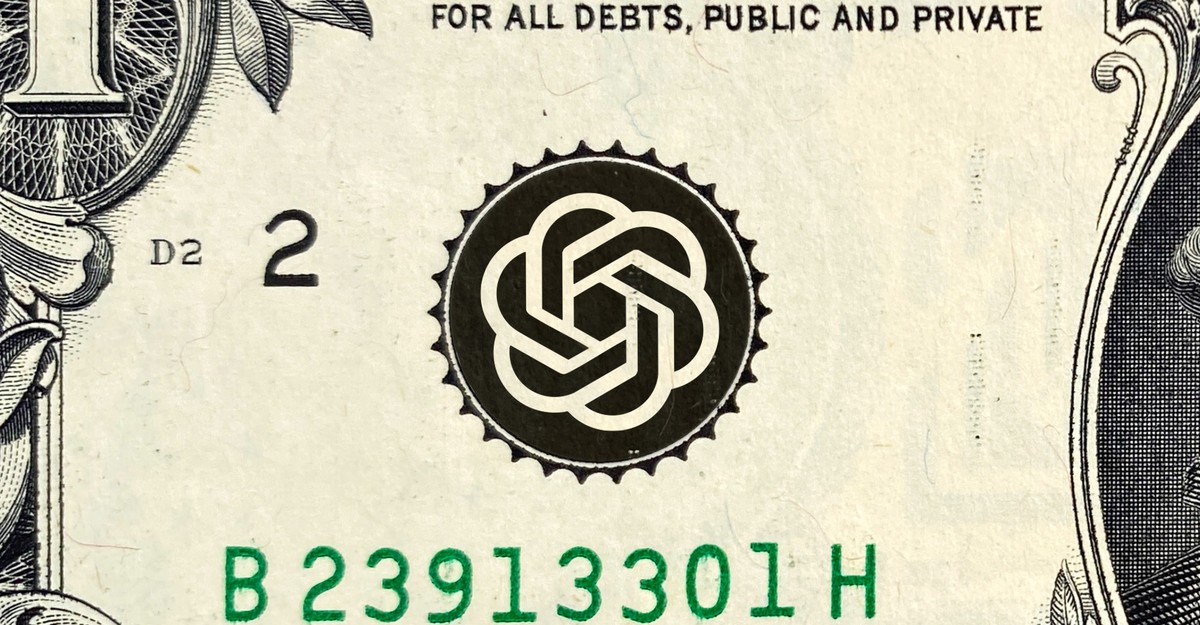
OpenAI, initially founded as a non-profit AI research lab, is facing scrutiny over its evolving corporate structure as it transitions towards a for-profit model amid rapid growth and competition in the AI sector; concerns have been raised by investors, regulators, and AI experts, including Elon Musk, regarding the company's commitment to its original mission of ensuring AI safety and benefiting humanity, particularly with the removal of caps on shareholder returns and the potential for weakened oversight, despite OpenAI's claims that the non-profit will still retain control.
OpenAI's evolution from a nonprofit research lab focused on "safe" AI for "all of humanity" to an entity aggressively pursuing commercialization and a $300 billion valuation highlights a significant tension between its foundational mission and current operational realities. The company's initial 2019 creation of a for-profit subsidiary, with capped investor returns and nonprofit oversight, was upended by ChatGPT's unexpected success, which CEO Sam Altman described as initiating an unprecedented growth curve with half a billion weekly users. This success, and competition from giants like Google and Meta, has driven OpenAI to behave like a typical business, leading to a December proposal to transition fully to a for-profit structure to attract investment, notably from Softbank, which conditioned billions on such a change. This proposal, however, triggered substantial backlash from co-founder Elon Musk, former employees, AI experts, Nobel laureates, and state attorneys general in Delaware and California, citing concerns over abandoning its safety-focused mission and the potential misuse of charitable resources. Consequently, OpenAI revised its plan, stating the nonprofit would remain in control, though the for-profit arm would become a public-benefit corporation (PBC) and, critically, the cap on shareholder returns would be removed—a move that reportedly satisfied Softbank. Despite the nonprofit nominally retaining control, doubts persist about its actual authority, particularly given past events like Altman's brief ousting and swift reinstatement, and the ambiguity regarding the nonprofit board's power to remove executives under the new structure. OpenAI's spokesperson, Steve Sharpe, indicated the focus is on enabling the development of powerful AI, while critics like Lawrence Lessig and Marc Toberoff dismiss the restructuring as superficial, with concerns about effective oversight remaining. Altman's own shifting statements on regulation further fuel these concerns, underscoring the undefined nature of "safe" or "beneficial" AI and the significant trust placed in OpenAI's board to define it, even as the company rapidly expands its global infrastructure and product offerings, including partnerships with the UAE and Jony Ive.
AI-powered research, real-time alerts, and portfolio analytics for institutional investors.
Request DemoOverall Sentiment
strongly negative
Sentiment Score
-0.70
Ticker Sentiment
