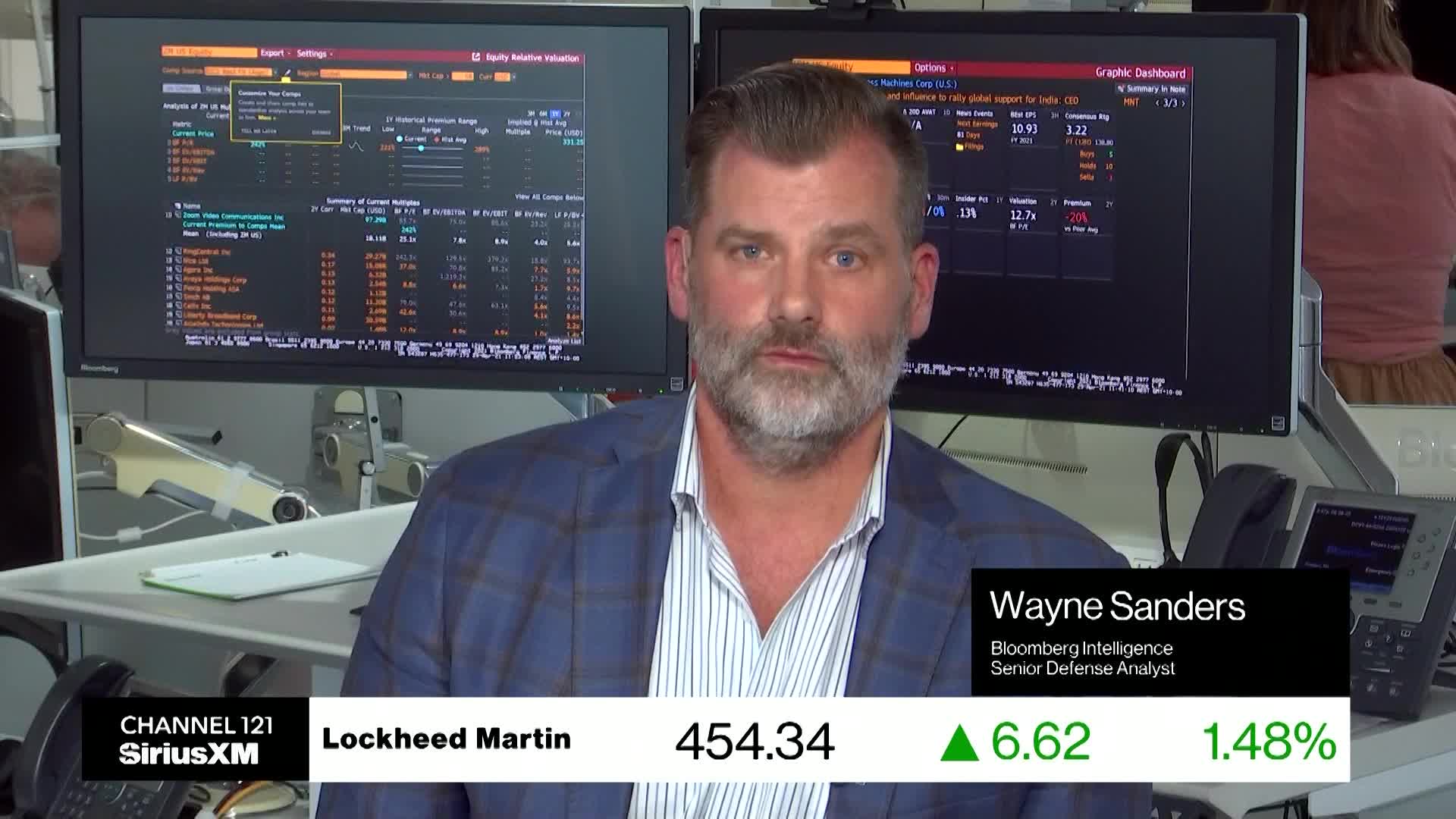
The White House is now directing its attention towards the defense sector, a strategic shift that follows its recent engagement concerning Intel. This move suggests a broader governmental focus on critical industries, potentially signaling increased scrutiny or new policy initiatives for defense contractors and their supply chains.
The White House is signaling a strategic pivot in its industrial policy focus, shifting attention from the semiconductor industry, recently exemplified by its engagement with Intel, towards the defense sector. This development, assessed with a moderately positive sentiment and a market impact score of 0.6, suggests that market participants anticipate potential benefits for defense contractors. The move could foreshadow new policy initiatives, such as increased federal funding, streamlined procurement processes, or strategic investments aimed at bolstering the domestic defense industrial base. However, this attention also carries the potential for heightened regulatory scrutiny over costs, competition, and supply chain integrity, creating a dual-edged scenario for the industry. The neutral sentiment specific to Intel (INTC) indicates that the market views this as a forward-looking policy shift, with the primary impact now expected in the defense and aerospace domain rather than the tech sector.
AI-powered research, real-time alerts, and portfolio analytics for institutional investors.
Request DemoOverall Sentiment
moderately positive
Sentiment Score
0.50
Ticker Sentiment
