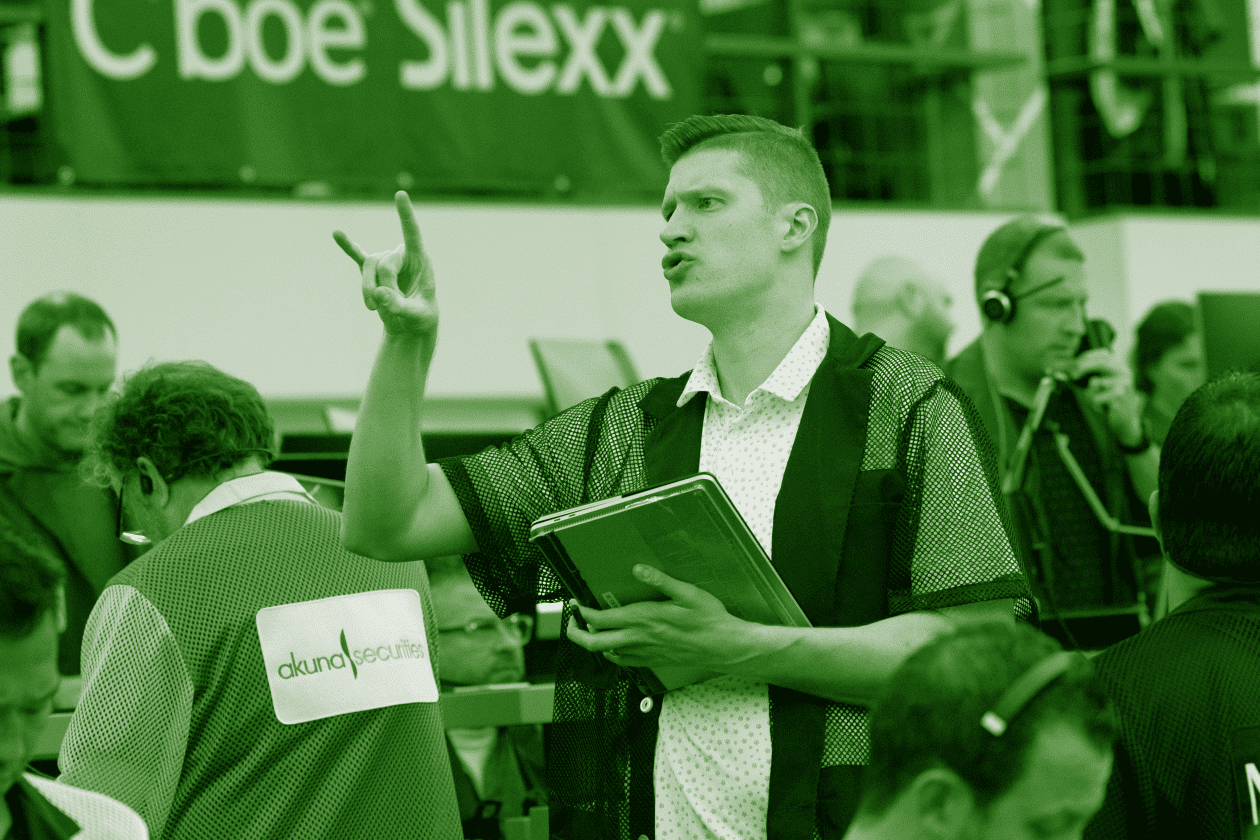
U.S. equity markets are experiencing a record surge in bullish options trading, with average daily call option volume hitting an all-time high of 40 million as of October 1st, according to Goldman Sachs. This unprecedented activity reflects strong investor confidence amidst the S&P 500's robust performance, including its best September in 15 years and a five-month streak of over 1.9% gains, a pattern last seen in 1999. Market maker hedging associated with this volume is contributing to a self-reinforcing momentum, alongside diverse equity demand from retail, institutional, and corporate sources.
Market Extra The stock market’s relentless march higher has fueled a record rush of bullish options trading Average daily volume of call options traded hit the highest level on record earlier this week, according to Goldman Sachs Referenced Symbols The U.S. stock market seems unstoppable right now, and options traders are betting that the good times will keep on rolling. Trading volume in bullish call options reached a notable new milestone earlier this week, according to data shared by a team of Goldman Sachs traders in a report seen by MarketWatch on Friday. As of Oct. 1, average total volume of calls traded across index options, single stocks and ETFs over the past 20 days reached 40 million. That is the highest level on record, the Goldman team showed. Heightened demand for bullish call options can sometimes help push the broader market higher, according to strategists. Every time an investor buys a call option, the market maker responsible for selling it will typically hedge some of their exposure. They typically do this by purchasing shares of stock or equity futures; often, they will adjust these positions dynamically, depending on how the underlying market is trading. Depending on the market makers’ overall positioning, their hedging activities can help to suppress volatility in the market, or exacerbate it. The S&P 500 just tallied its best September performance in 15 years. Historically, the month is, on average, the worst of the year for stock-market returns, according to Dow Jones Market Data.But while options trading may have contributed to the market’s success over the past month, several strategists who spoke with MarketWatch said there were plenty of other sources potentially driving the rally. “There is diverse demand for equities from steady retail fund flows, institutions pulled from the sidelines, record share repurchases and accelerating foreign flows,” said Mark Hackett, chief market strategist at Nationwide, in response to an email from MarketWatch. Another factor that might be driving all of this interest: An unshakeable sense that the momentum in the market favors the bulls. The Goldman team pointed out that September was the fifth month in a row where the S&P 500 rose by more than 1.9%. This hasn’t happened since January 1999. Even though that streak ended in January 1999, the index went on to rally another 20% over the next year, the Goldman team pointed out. “I think it’s a bit of a ‘Pavlov’s dog’ situation,” said Danny Kirsch, head of the options-trading desk at Piper Sandler. “[The] market goes up, calls make money, traders roll calls into more calls, rinse, repeat. It’s feeding on itself at this point.” Volume has been skewed toward bullish calls and away from bearish puts all year. Data from Dow Jones Market Data showed the 20-day average reading of the Cboe total put-call ratio stood at 0.84 as of Thursday. That was only slightly above 0.79 in February, the lowest level of the year so far. Volume in bearish puts relative to bullish calls has been steadily declining over the past few years, as the chart below shows. U.S. stocks continued to climb on Friday. The S&P 500 barely eked out a sixth straight day in the green, FactSet data showed, the longest winning streak for the index since July. A call option offers investors a way to profit from gains in a stock or index without needing to plunk down all of the money required to buy the actual shares. If a given stock or index rises above a predetermined price before a given expiration date, then the bet will generally prove profitable. Holding a put option, on the other hand, is like buying an insurance policy: It will compensate an investor if a stock or index falls below a certain level before the expiration date. Ken Jimenez contributed. U.S. equity markets are exhibiting signs of extreme bullish sentiment, evidenced by a record surge in options trading. According to Goldman Sachs, the 20-day average daily volume for call options across indices, single stocks, and ETFs reached an all-time high of 40 million as of October 1. This activity is occurring alongside a powerful market rally, with the S&P 500 recording its best September performance in 15 years and completing a five-month streak of gains exceeding 1.9%, a pattern not seen since January 1999. The mechanics of this options flow are creating a self-reinforcing dynamic; as investors buy calls, market makers hedge their exposure by purchasing underlying equities, which can further propel the market upward. This bullish skew is corroborated by the Cboe total put-call ratio, which at 0.84 is near its annual low. While the options market is a significant factor, the rally is also supported by broad-based demand from retail and institutional flows, record corporate share repurchases, and accelerating foreign investment.
AI-powered research, real-time alerts, and portfolio analytics for institutional investors.
Request DemoOverall Sentiment
extremely positive
Sentiment Score
0.85
Ticker Sentiment
